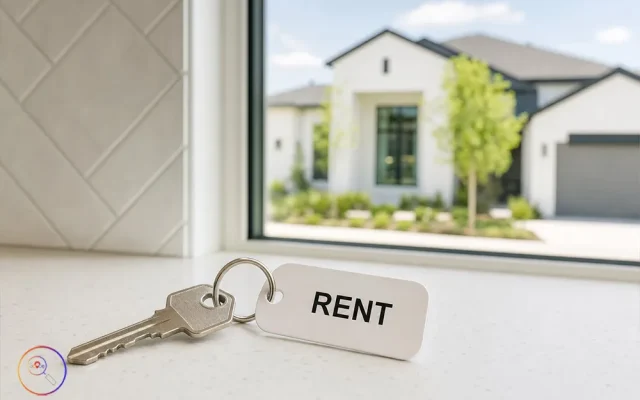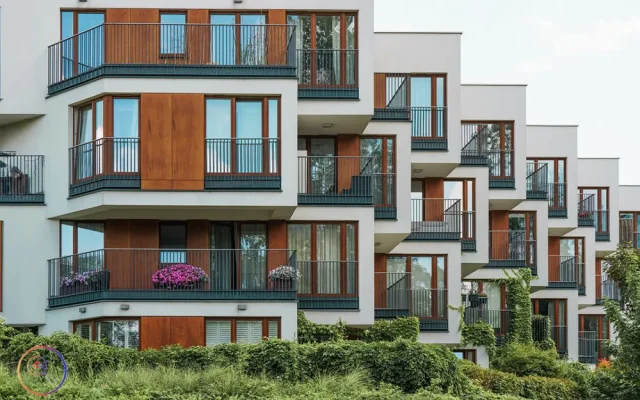
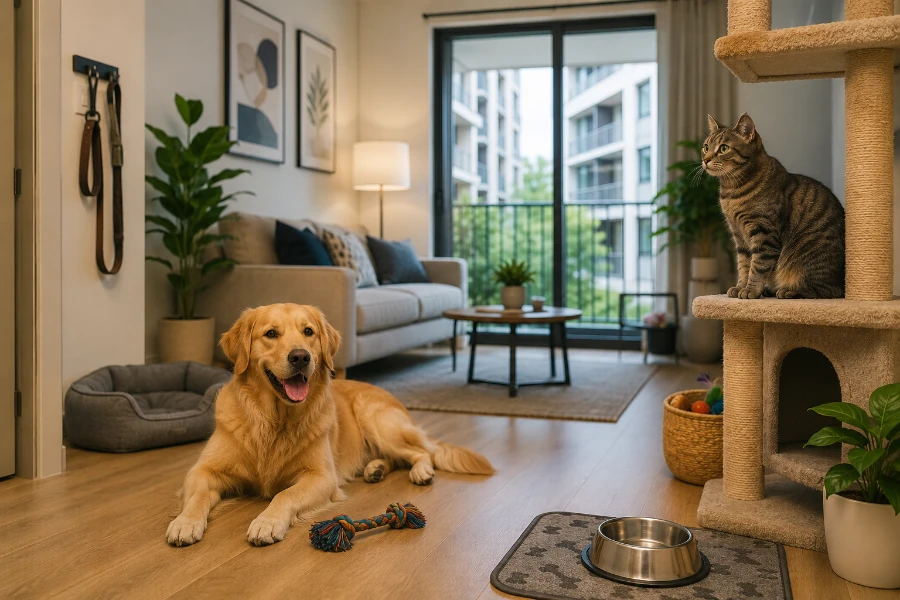

A listing that says “pets allowed” can feel like a relief. For renters with a dog, cat, or another companion animal, that small phrase often decides whether an apartment is even worth considering. Still, it does not always tell the full story. That is where the difference matters. “Pets allowed” means permission. “Pet-friendly” means the apartment, the building, and sometimes even the neighborhood actually support the way people live with animals. What should you pay attention to while looking for the perfect place for you and your pet?
What “Pets Allowed” Means
The phrase “pets allowed” usually starts with the lease, not with comfort. It tells renters that the property does not ban animals completely. That helps, but it also leaves plenty of room for limits, extra costs, and strict conditions. Before treating a listing as pet-friendly, renters should look at these details:
- Pet fees and monthly pet rent. A property may allow pets while making them expensive to keep. Renters can face a refundable deposit, a non-refundable pet fee, monthly pet rent, or extra cleaning charges at move-out. These costs can change the real price of the apartment.
- Breed, weight, and number limits. Some buildings allow cats but restrict dogs. Others accept small dogs only, ban certain breeds, or limit the number of pets per unit. A renter with one quiet large dog may have fewer options than someone with two small animals, even if both listings say pets are allowed. Before browsing a selection of Yorkie puppies or any other small dog breed, renters should check whether the apartment’s pet policy has weight limits, breed restrictions, pet rent, or approval requirements that could affect their plans.
- Lease rules around damage and cleaning. Pet clauses often explain who pays for scratched doors, stained carpet, odor removal, damaged blinds, or ruined flooring. These rules matter because normal pet life can create wear over time, especially in smaller apartments.
- Noise and complaint policies. A dog that barks when someone passes the door or a cat that runs at night may bother neighbors. A good renter should know how management handles complaints. One warning system feels different from a policy that quickly adds penalties.
This is the simplest way to understand the difference: “allowed” protects access to the apartment. “Friendly” improves life inside it.
Signs an Apartment Is Pet-Friendly
A truly pet-friendly apartment shows itself in everyday details. It does not force renters to solve every pet-related problem alone. The building layout, flooring, rules, amenities, and location all make life smoother for the person and the animal.
Durable flooring is one of the first signs. Carpet can hold odor, trap fur, and stain easily, while hard floors usually make cleaning simpler. Good ventilation also matters, especially for cat owners who need a practical place for a litter box. A small apartment can still work well with a pet if it has smart corners, storage space, and enough separation between eating, sleeping, and pet-care areas.
For dog owners, easy outdoor access can matter more than the size of the unit. A ground-floor apartment, elevator access, nearby walking paths, and pet waste stations can make daily routines less stressful.
Cats need different things. They need safe windows, quiet corners, space for scratching posts, and enough room for climbing furniture or resting spots. A balcony can be a bonus only if it is safe and allowed under the lease. A “pet-friendly” building should account for more than dogs, because cats, senior pets, and anxious animals also shape how an apartment works.
The best sign is simple: the renter does not feel like they constantly work around the apartment. The space helps the routine instead of fighting it.
Questions Renters Should Ask Before Signing
A renter should never rely only on the listing. The leasing office may use friendly language, but the lease controls the real terms. A few direct questions can prevent awkward surprises after move-in.
Renters should ask which pet charges are refundable, whether monthly pet rent applies per animal, and whether fees change by size or breed. They should also ask about weight limits, breed restrictions, vaccination records, pet interviews, and rules for visiting animals. These details can decide whether the apartment works at all.
It also helps to ask how management handles noise complaints, hallway accidents, pet odor, and damage at move-out. Clear rules are better than vague promises. When policies stay unclear, renters may only discover the real standard after a neighbor complains or maintenance reports a problem.
The bigger financial picture matters too, even when the article topic is not about loans or financing. Renters who think about housing beyond one lease can use https://lbccapital.com/ while considering long-term goals, but the apartment decision itself still starts with practical questions: what the pet policy costs, how the rules work, and whether the space makes daily life easier.
A good leasing team should answer these questions without making the renter feel uncomfortable. If the answers sound rushed, inconsistent, or overly strict, that may reveal more than the listing does.
Why the Neighborhood Matters Too
Pet-friendly living does not stop at the apartment door. The neighborhood can make a good unit feel workable or make a nice apartment feel exhausting. For dog owners, sidewalks, grass, lighting, traffic, and nearby parks all shape daily life. A building may allow pets, but if every walk requires crossing busy streets or searching for a tiny patch of grass, the routine can become tiring fast.
“Pets allowed” should be the beginning of the search, not the final answer. A renter needs to know whether the apartment can handle real life with an animal. A pet-friendly home gives both the renter and the pet a calmer, cleaner, more practical way to live together.
Helpful Finds for Apartment Pets
Pet-friendly living goes smoother with a few apartment-sized essentials:
- Enclosed Cat Litter Box – hides the box and traps odor in a small space.
- Pet Camera with Treat Dispenser – check in on your pet during the workday.
- Washable Pet Bed – easy to keep clean in an apartment.
- Pet Hair Vacuum – the single most used tool in a pet household.
Rise Apartments is a participant in the Amazon Services LLC Associates Program. As an Amazon Associate we earn from qualifying purchases made through the links above, at no extra cost to you.
Frequently Asked Questions (FAQs)
“Pets allowed” means the property permits pets under certain conditions, while “pet-friendly” usually offers features and policies that make living with pets more comfortable.
No. Some properties charge deposits, non-refundable fees, monthly pet rent, or a combination of these, while others may have little or no additional cost.
Yes. Many communities have breed, weight, age, or size restrictions, so always review the pet policy before signing a lease.
Features like dog parks, pet waste stations, durable flooring, nearby walking areas, and easy outdoor access are common signs of a pet-friendly property.
Not always. Some apartments have different policies for cats, including separate fees or fewer restrictions than those for dogs.
Yes. The lease is the official document that outlines pet rules, fees, restrictions, and your responsibilities as a tenant.
If your pet does not meet the property’s requirements, such as breed, weight, or vaccination standards, the landlord may decline approval.
Usually not. Monthly pet rent is generally separate from damage costs, and tenants are often responsible for repairs beyond normal wear and tear.
Nearby parks, sidewalks, green spaces, and safe walking routes make daily exercise and outdoor routines much easier for both pets and owners.
Ask about pet fees, breed and weight restrictions, the number of pets allowed, damage policies, noise rules, and any amenities designed for pets.