
If you live in an apartment, you’ve probably watched the home solar revolution from the sidelines, assuming it simply doesn’t apply to you. Partly that’s true, rooftop solar panels aren’t an option in most multi-unit buildings. But the broader energy storage landscape is shifting, and there are more options for apartment dwellers than most people realise. VoltX Energy solar batteries represent the kind of flexible energy storage technology that’s beginning to make clean energy accessible in multi-unit buildings. Here’s what you need to know.
The Short Answer
Technically, yes, you can use a solar battery in an apartment, but the circumstances are more limited than in a freestanding home. In most cases, you’d store energy purchased from the grid during off-peak periods and discharge it during peak tariff times, rather than storing surplus solar energy from your rooftop panels. This strategy, sometimes called energy arbitrage, can reduce your electricity bills if you’re on a time-of-use tariff, though the savings are more modest than what you’d get from a full solar plus battery setup in a house.
Community Solar and Embedded Networks
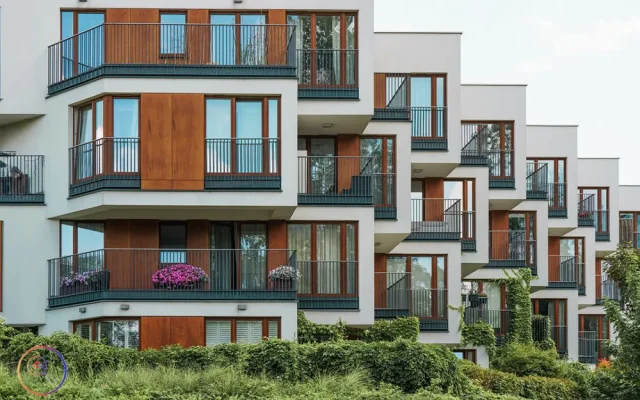
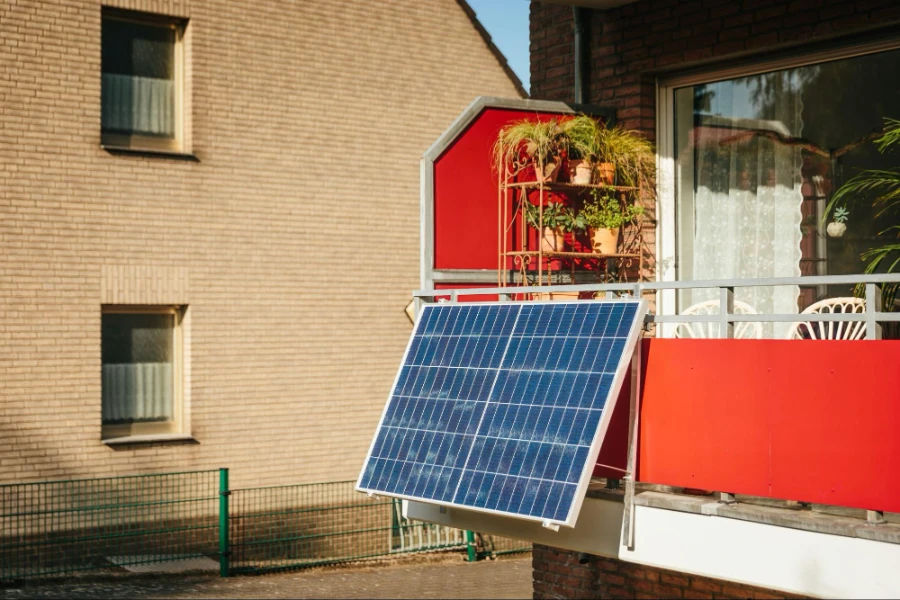
The more exciting development for apartment dwellers is the growth of community solar schemes and embedded networks. In a community solar arrangement, a large solar installation, typically on the roof of a multi-unit building, generates electricity shared among residents at a reduced rate. Some newer apartment buildings incorporate solar panels and shared battery storage as part of the building’s infrastructure. If you’re buying or renting, it’s worth asking the building manager or body corporate whether any community solar or virtual net metering arrangements are in place or planned.
Strata Rules and Body Corporate Approval
One of the biggest hurdles for apartment residents looking to add any kind of energy solution is strata rules. In most states and territories, you’ll need body corporate approval before installing any equipment in common areas or modifying the building’s electrical setup. Individual unit battery installations, where the battery sits inside your apartment and connects to your unit’s electrical board, may be possible in some buildings, but require sign-off from the strata committee and a licensed electrician’s assessment. It’s worth approaching your body corporate with clear documentation from the battery manufacturer to support your case.
Portable Battery Solutions
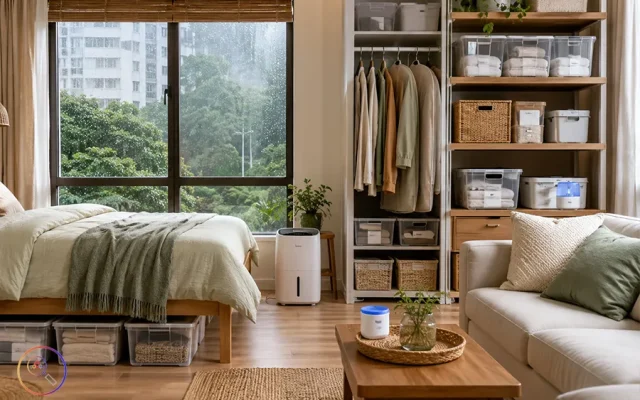
For renters or apartment dwellers who want a degree of energy independence without a fixed installation, portable battery units offer a practical middle ground. These smaller-capacity batteries can be charged during off-peak periods, used to power lights, devices, and small appliances, and don’t require any modifications to the building’s electrical system. They’re not a substitute for a full home battery system, but they can meaningfully reduce your reliance on grid power during peak hours and provide useful backup during outages.
Virtual Power Plants
Virtual power plants (VPPs) are another avenue worth exploring. In a VPP arrangement, households with compatible battery systems pool their storage capacity and allow the energy retailer to dispatch stored energy to the grid during high-demand periods, in exchange for bill credits or cash payments. Some VPP programs are now accessible to apartment dwellers through community solar schemes or embedded networks. According to EnergySage, VPPs are one of the fastest-growing segments of the residential energy storage market, and they represent a meaningful way for apartment residents to participate in the clean energy transition.
What About Renters?
If you’re renting, your options are further limited by what your landlord will approve, though renter rights around energy efficiency are slowly improving in some states. Portable battery units and energy monitoring tools are generally fair game without landlord approval. For those renting in buildings with embedded networks, switching to a greener electricity plan or applying through the embedded network manager for a different tariff structure can also make a difference. The International Energy Agency notes that distributed energy resources, including batteries, are a growing part of the global energy transition, and policy frameworks are gradually catching up to support broader access.
Conclusion
Living in an apartment doesn’t mean you’re locked out of the clean energy conversation. Whether it’s a community solar arrangement, a portable battery, or a VPP program, there are growing pathways for apartment dwellers to reduce their dependence on the grid and lower their energy bills. The technology is evolving quickly, and the policy and strata frameworks are following, if slowly. If you’re serious about clean energy in an apartment, start by talking to your body corporate and your energy retailer, and keep an eye on what’s being offered in your building or local area.
Frequently Asked Questions (FAQs)
Yes. Many apartment residents use batteries to store cheaper off-peak grid electricity and use it during peak-rate periods.
In most cases, yes. Any installation that affects the building’s electrical system or common areas typically requires approval.
Yes. Portable battery units usually don’t require permanent installation, making them a practical option for renters.
It can help reduce costs by storing electricity when rates are low and supplying power when rates are higher.
A community solar program allows multiple residents to share the benefits of a larger solar installation, often located on a shared building roof.
Some apartment residents can participate through compatible battery systems, community solar projects, or embedded energy networks.
Modern batteries are designed with multiple safety features, but installation should always follow manufacturer guidelines and local regulations.
Capacity varies by model, but most portable batteries can power devices, lights, and small appliances for several hours.
Portable batteries generally do not require property modifications, but tenants should still review lease agreements and building policies.
Yes. As battery technology advances and energy policies evolve, more solutions are becoming available for apartment residents seeking cleaner energy options.