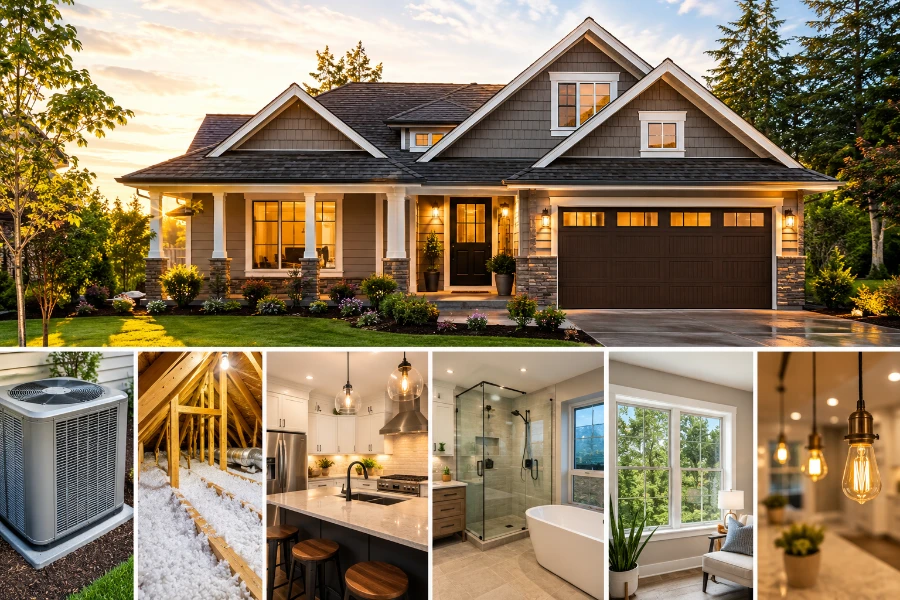

Not every home upgrade pays off. Some are purely cosmetic. Others quietly add resale value, reduce operating costs, and make daily living noticeably better.
The upgrades worth prioritizing are the ones that do more than one thing at once. They improve comfort now and return value later, either through energy savings, reduced maintenance, or stronger buyer appeal.
Start With the Systems, Not the Surfaces
Most homeowners default to visible upgrades first. New paint, new fixtures, updated hardware. These have their place, but they do not move the needle on value or comfort the way mechanical and structural upgrades do.
HVAC systems, water heaters, insulation, and electrical panels are the foundation. A home with a fresh coat of paint and an aging HVAC unit is still uncomfortable in summer and expensive to run year-round. Buyers and appraisers both recognize this.
If your HVAC is over 15 years old, replacing it with a high-efficiency unit is one of the highest-return upgrades available. Modern systems with variable-speed compressors and smart thermostat compatibility reduce energy consumption significantly while delivering more consistent temperatures throughout the home.
Insulation and Air Sealing Deliver Outsized Returns
Insulation is invisible once installed. That makes it easy to overlook. But it directly affects energy bills, indoor comfort, noise levels, and HVAC load.
Most homes built before 2000 are under-insulated by current standards. Adding insulation to attic spaces and sealing air gaps around windows, doors, and penetrations can reduce heating and cooling costs by 15 to 25 percent annually. That compounds over time into significant savings.
According to the U.S. Department of Energy, air sealing and insulation improvements can save homeowners up to 10 to 20 percent on total heating and cooling costs. In older homes, the savings run higher.
Water Damage Prevention Is an Upgrade, Not Just Maintenance
Water intrusion is the single most destructive force in residential properties. It damages structure, promotes mold growth, and depresses property value faster than almost any other issue.
Proactive upgrades in this category include:
- Installing a whole-home water leak detection system
- Replacing braided steel supply lines with higher-grade alternatives
- Upgrading sump pump systems with battery backup
- Sealing basement walls and improving exterior grading
- Replacing aging wax toilet rings and flexible supply connections
These are not glamorous upgrades. But the cost of prevention is a fraction of the cost of remediation. Homeowners who have dealt with a major water loss understand this clearly. For those evaluating the full scope of what professional restoration involves, reviewing the ServiceMaster Restore franchise gives a useful picture of how damage assessment and structural drying work at a professional level.
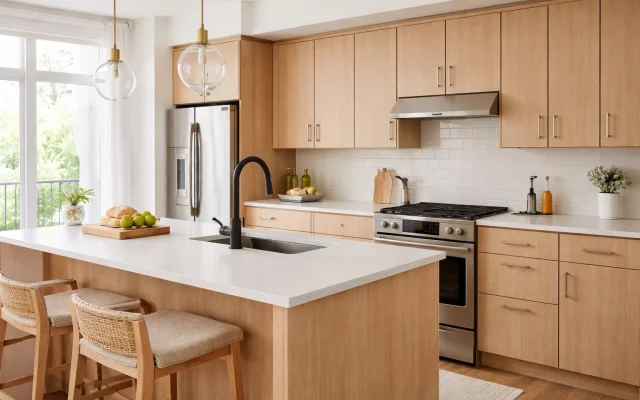
Kitchen Upgrades With Functional Focus
Kitchen renovations have the highest emotional impact on buyers and occupants. But not all kitchen upgrades deliver equal returns.
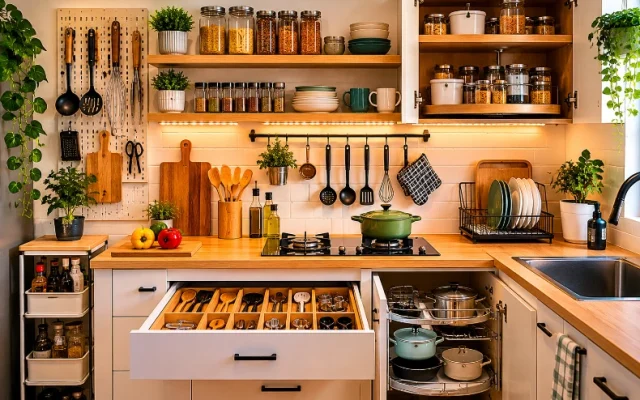
The highest-value functional upgrades focus on workflow and durability rather than aesthetics alone:
- Deep single-basin or workstation sinks with integrated accessories
- Under-cabinet lighting using LED tape or puck lights on dimmers
- Pull-out drawer inserts in lower cabinets to eliminate dead storage space
- Induction cooktops for faster, safer, more energy-efficient cooking
- Ventilation upgrades that actually exhaust air outside rather than recirculating
Countertop and cabinet replacements get the most attention, but the functional upgrades above tend to improve daily usability more consistently than surface-level changes.
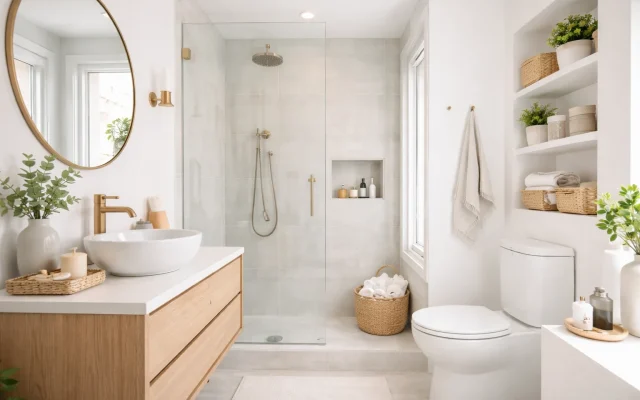
Bathroom Improvements That Age Well
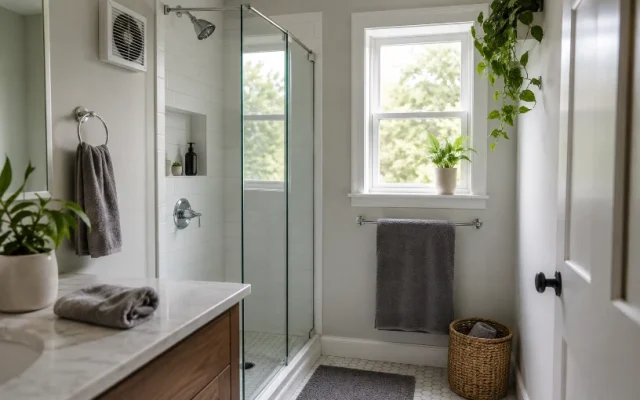
Bathrooms are high-traffic, high-moisture environments. Upgrades that ignore moisture management eventually fail regardless of how good they looked initially.
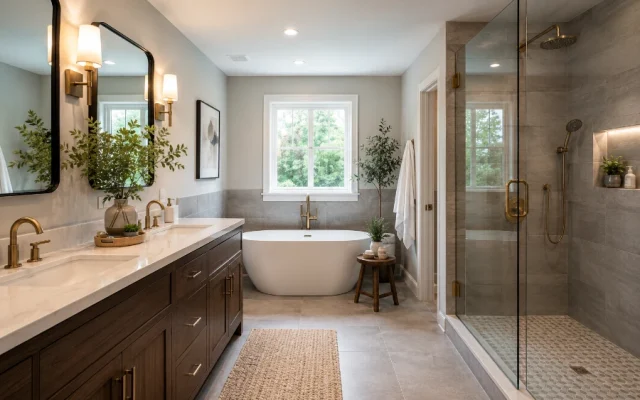
Prioritize waterproofing first. Schluter systems, properly sloped shower floors, and full waterproof membrane installations behind tile cost more upfront but eliminate the mold and substrate failures that plague cheaper installations within five to ten years.
Beyond waterproofing, heated floor systems, comfort-height toilets, and frameless shower enclosures consistently score well in buyer surveys and hold their appeal across design trends.
Window Replacement Pays Multiple Dividends
Windows affect energy performance, acoustic comfort, security, and curb appeal simultaneously. Older single-pane or failed double-pane windows are responsible for significant heat loss in winter and heat gain in summer.
Replacing them with low-E, double or triple-pane units improves all four of those factors at once. For homeowners exploring contractor options or franchise-backed installation services, resources like window installation and repair franchises outline the service providers operating in this space and what to expect from a professional installation process.
Proper installation matters as much as the window itself. Air sealing, flashing, and trim integration are where most DIY and low-bid installations fail over time.
Lighting Upgrades Are Low Cost, High Impact
Lighting is one of the most affordable upgrades with immediate comfort impact. Most homes are under-lit, relying on a single overhead fixture per room.
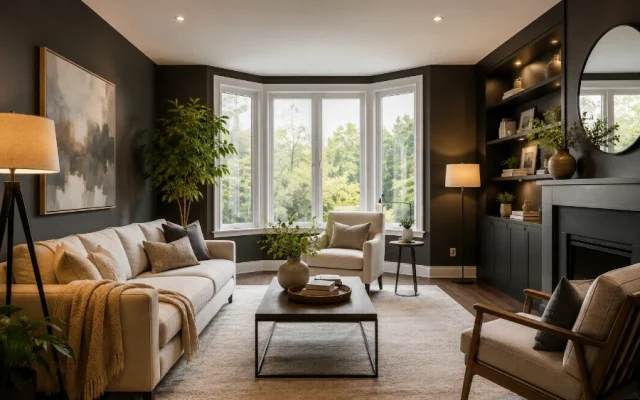
Layered lighting, combining ambient, task, and accent sources, makes spaces feel larger, more functional, and more inviting. LED retrofit bulbs, dimmer switches, and smart lighting controls are inexpensive and installable in a single afternoon.
The combination of better light quality and dimming capability changes how a space feels at every time of day. That is a comfort upgrade that costs very little and delivers results immediately.
Frequently Asked Questions (FAQs)
High-efficiency HVAC replacements, kitchen improvements, and energy-efficiency upgrades typically provide some of the strongest returns on investment.
Yes. New energy-efficient windows can improve comfort, reduce utility bills, and enhance curb appeal.
Many homeowners see heating and cooling savings of 15–25%, depending on the home’s age and existing insulation levels.
Yes. Features like smart thermostats, lighting controls, and leak detection systems are increasingly appealing to modern buyers.
Preventing water damage protects the structure, reduces future repair costs, and helps preserve property value.
Not always. Functional upgrades that improve workflow and usability often provide better returns than purely cosmetic changes.
Waterproofing systems, heated floors, comfort-height toilets, and quality shower installations tend to hold value well over time.
In many cases, yes. Improved lighting is affordable, quick to install, and can dramatically enhance the feel of a space.
Most HVAC systems last 15–20 years, though efficiency and performance often decline as they age.
Air sealing and insulation improvements are among the best choices because they improve comfort immediately while lowering energy costs for years.