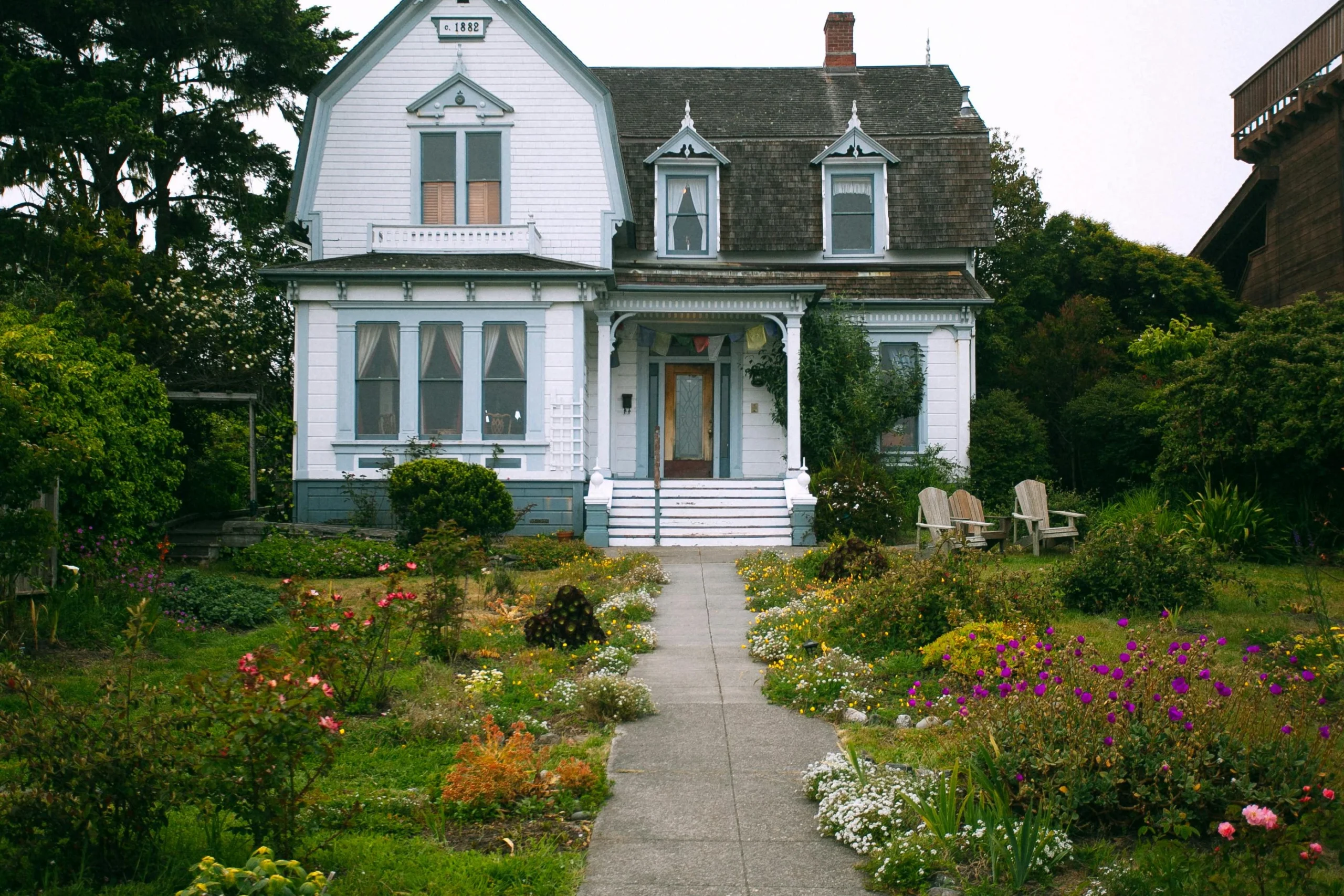

Creating a sustainable home garden is one of the most rewarding ways to improve your outdoor space while reducing your environmental impact. Whether you have a spacious backyard, a modest suburban lawn, or a collection of containers on your patio, thoughtful gardening practices can help conserve water, improve soil health, reduce waste, and support local wildlife.
Sustainable gardening does not mean sacrificing beautiful landscaping or spending countless hours maintaining your plants. In fact, a well-planned eco-friendly garden can require less watering, fewer chemicals, and less ongoing maintenance than a conventional landscape.
The secret is working with nature rather than constantly trying to control it.
By choosing plants suited to your climate, improving soil naturally, making smarter irrigation decisions, and recycling organic materials, you can create an attractive garden that continues to thrive season after season.
This guide explores practical ways to build a sustainable home garden, including planning techniques, water conservation strategies, soil improvement methods, and simple changes that make everyday gardening more environmentally responsible.
1. Start With a Thoughtful Garden Plan
Every successful sustainable home garden begins with a practical plan. Before purchasing plants, digging flower beds, or installing irrigation equipment, take time to understand the conditions of your outdoor space.
A garden that works with its natural surroundings generally requires fewer resources than one that depends on constant watering, fertilizing, and maintenance.
Evaluate Sunlight and Shade
Different plants have different sunlight requirements. Some vegetables and flowering plants need six or more hours of direct sunlight daily, while many shade-tolerant plants perform better with filtered light.
Observe your garden throughout the day and identify areas receiving:
- Full sun: Generally six or more hours of direct sunlight.
- Partial sun or shade: Approximately three to six hours of sunlight.
- Full shade: Less than three hours of direct sunlight, often with indirect light.
Consider how nearby buildings, fences, and trees influence these conditions. Seasonal changes can also affect sunlight availability.
Matching plants to the appropriate locations reduces stress, improves growth, and limits the need for additional care.
Understand Soil and Drainage
Soil conditions influence how effectively plants absorb water and nutrients.
Before planting, examine whether your soil is sandy, clay-heavy, or loamy. Pay attention to areas where rainwater collects or drains rapidly.
A simple soil test can reveal important information about pH and nutrient levels, helping you determine whether amendments are necessary.
Avoid automatically adding fertilizers or soil treatments without understanding what your garden needs.
Plan Irrigation Before Planting
Watering is one of the most important considerations when designing a sustainable landscape.
Think about where plants will receive water, whether your property has existing irrigation equipment, and how you can minimize unnecessary water loss.
For larger yards, professionally designed irrigation can help distribute water according to landscaping needs. Homeowners considering permanent irrigation improvements can explore sprinkler system installation services to understand available installation options.
The most efficient watering method depends on your garden layout. Drip irrigation may work well for vegetable beds and shrubs, while properly configured sprinklers may be more practical for turf.
Planning these systems before planting can prevent unnecessary digging and landscape disruption later.
2. Choose Native and Climate-Appropriate Plants
Plant selection has a major influence on the long-term sustainability of your garden.
Choosing plants that naturally thrive in your region reduces the need for intensive watering, fertilization, and pest management.
Why Native Plants Matter
Native plants have developed relationships with their local environment over long periods.
When planted in suitable conditions, many native species can tolerate regional weather patterns and support local insects, birds, and other wildlife.
Their benefits may include:
- Reduced irrigation needs after establishment.
- Better compatibility with local soil conditions.
- Habitat and food sources for native pollinators.
- Less dependence on fertilizers and soil amendments.
- Improved biodiversity within your landscape.
However, native plants are not automatically maintenance-free. They still need suitable growing conditions and regular watering while their root systems become established.
Include Drought-Tolerant Species
Drought-tolerant plants can further reduce your garden’s water requirements.
Depending on your region, suitable choices might include ornamental grasses, certain salvias, coneflowers, or other locally adapted perennials.
Always check whether a plant is appropriate for your climate and whether it may become invasive.
Group Plants by Water Requirements
One of the smartest sustainable gardening techniques is hydrozoning, which involves grouping plants with similar watering needs.
For example, thirsty vegetables can occupy one irrigation zone, while drought-tolerant shrubs and flowers occupy another.
This arrangement prevents you from overwatering some plants simply because nearby plants require more moisture.
It also makes irrigation scheduling considerably easier.
3. Build Healthy Soil Through Natural Methods
Healthy soil is the foundation of a productive and sustainable home garden.
Rather than treating soil as something that simply holds plants upright, think of it as a living ecosystem containing microorganisms, organic matter, minerals, water, and air.
These elements work together to support root growth and nutrient availability.
Add Compost to Improve Soil Quality
Compost is decomposed organic material that improves soil structure and supplies nutrients.
Adding finished compost can help sandy soils retain moisture while improving the structure of certain clay-heavy soils.
Common compost ingredients include:
- Fruit and vegetable scraps.
- Coffee grounds and paper filters.
- Dry leaves and untreated grass clippings.
- Small amounts of shredded, uncoated cardboard.
- Spent flowers and non-diseased plant trimmings.
A balanced compost pile typically combines nitrogen-rich materials, such as fresh vegetable scraps, with carbon-rich materials, such as dry leaves.
Keep the material moderately moist and turn it periodically when using an aerobic composting method.
Avoid adding meat, dairy products, oily food, pet waste, and plants heavily affected by disease to a typical backyard compost pile.
Limit Unnecessary Soil Disturbance
Frequent digging and tilling can disrupt soil structure and beneficial organisms.
Whenever practical, use a low-disturbance gardening approach.
Instead of turning the entire garden bed every season, apply finished compost to the surface and allow soil organisms to gradually incorporate organic matter.
Test Before Fertilizing
Organic fertilizers and natural soil amendments can be useful, but adding more nutrients than plants need can still cause problems.
Excess fertilizer may wash into nearby waterways, contributing to pollution.
Use soil testing to guide fertilizer applications and avoid assuming every plant needs supplemental nutrients.
4. Make Water Conservation a Priority
Water management is one of the biggest opportunities to improve the sustainability of your outdoor space.
Traditional watering habits sometimes waste water through runoff, evaporation, leaks, and poorly timed irrigation.
A sustainable home garden focuses on delivering the right amount of water directly where plants need it.
Water During Cooler Hours
Early morning is generally an excellent time to water gardens.
Temperatures are often cooler, winds may be lighter, and plants have time to absorb moisture before the hottest part of the day.
Morning watering also allows foliage to dry during daylight, which can help reduce certain fungal disease problems.
Avoid watering unnecessarily during heavy rainfall or when soil remains adequately moist.
Consider Drip Irrigation
Drip irrigation delivers water slowly near the base of plants.
It is particularly useful for vegetable gardens, flower beds, shrubs, and container arrangements.
Compared with poorly positioned overhead sprinklers, a properly installed drip system can reduce water lost to wind and overspray.
However, drip lines still require regular inspection because emitters can clog or become damaged.
Install Smart Irrigation Controls
Modern irrigation controllers can help homeowners schedule watering more efficiently.
Weather-based systems adjust watering schedules using local weather conditions, while soil moisture sensors can help prevent irrigation when the ground is already sufficiently wet.
A smart controller is most effective when paired with correctly positioned sprinklers, appropriate watering zones, and regular system maintenance.
Check for Leaks and Runoff
A small irrigation leak can waste a surprising amount of water over time.
Periodically inspect sprinkler heads, hoses, pipe connections, and outdoor faucets.
Watch for puddles, unusually damp areas, or irrigation water flowing onto sidewalks and driveways.
Correcting these issues conserves water and can prevent landscape damage.
Compare Common Watering Methods
| Watering Method | Best Use | Sustainability Considerations |
|---|---|---|
| Hand watering | Containers and small gardens | Offers precise control but requires attention |
| Drip irrigation | Vegetables, shrubs, and planting beds | Delivers water near roots and reduces overspray |
| Soaker hoses | Garden rows and established beds | Provides slow watering when installed correctly |
| Sprinkler systems | Lawns and larger landscapes | Can be efficient with proper design and scheduling |
| Rainwater collection | Supplemental irrigation | Reduces reliance on treated water where collection is permitted |
No single approach is perfect for every garden. The right system depends on plant requirements, property size, local climate, and maintenance needs.
5. Use Mulch to Protect Soil and Retain Moisture
Mulching is a simple yet highly effective gardening practice.
A layer of organic mulch helps moderate soil temperature, reduce evaporation, and suppress many competing weeds.
As materials such as shredded leaves and wood chips gradually break down, they can also contribute organic matter to the soil.
Choose Sustainable Mulching Materials
Common options include:
- Shredded autumn leaves.
- Untreated wood chips.
- Pine needles where appropriate.
- Straw free from problematic weed seeds.
- Shredded bark.
For many garden beds, approximately two to three inches of organic mulch provides useful coverage.
Keep mulch several inches away from tree trunks and plant stems to prevent excess moisture buildup.
Avoid piling mulch against the base of trees, a practice sometimes called volcano mulching.
Replenish organic mulch when decomposition reduces its thickness.
6. Reduce Garden Waste Through Reuse and Recycling
Gardening can generate considerable waste through plastic packaging, disposable containers, plant trimmings, and excess materials.
Reducing that waste is an important part of building a sustainable home garden.
Reuse Containers and Equipment
Instead of purchasing new containers each season, clean and reuse existing pots whenever possible.
Old buckets and other suitable containers can also become planters when they are made from plant-safe materials and have adequate drainage.
Durable gardening tools are often more economical over time than inexpensive disposable alternatives.
Compost Yard Debris
Grass clippings, fallen leaves, and healthy plant trimmings can often be composted instead of sent to a landfill.
Another option is to leave finely chopped grass clippings on a healthy lawn after mowing, provided they do not form thick clumps.
This practice returns organic material to the soil and reduces yard waste.
Buy Only What You Need
Careful purchasing helps prevent waste before it occurs.
Measure garden beds before buying soil or mulch, choose appropriate quantities of seeds, and avoid purchasing more plants than your space can support.
Consider exchanging seeds, plant cuttings, and unused supplies with neighbors or local gardening groups.
7. Encourage Pollinators and Beneficial Wildlife
A sustainable garden should support more than ornamental plants.
Birds, bees, butterflies, and beneficial insects contribute to a healthy ecosystem.
Pollinators help many flowering plants and food crops reproduce, while certain predatory insects help control pest populations.
Plant Flowers for Different Seasons
Choose a mix of flowering plants that bloom at different times of the year.
Providing flowers throughout the growing season supports pollinators when food sources may otherwise be limited.
Native flowering plants are especially valuable when selected to suit your local environment.
Provide Wildlife Habitat
Consider including areas with native grasses, shrubs, and other plants that offer shelter.
Some beneficial insects use hollow stems or leaf litter for nesting and overwintering.
Leaving a small, carefully managed natural area can support these organisms without making the entire garden look untidy.
Offer Safe Water Sources
A shallow birdbath or other small water source can help wildlife, particularly during hot weather.
However, standing water can attract mosquitoes.
Refresh birdbath water frequently, clean containers regularly, and avoid allowing stagnant water to accumulate around the property.
8. Manage Garden Pests Responsibly
Pests are a normal part of gardening, and not every insect needs to be eliminated.
In fact, many insects that gardeners encounter are harmless or beneficial.
An environmentally responsible pest management strategy begins with identifying the actual problem before selecting a treatment.
Practice Integrated Pest Management
Integrated pest management, often called IPM, combines prevention, monitoring, and targeted control methods.
Instead of immediately applying pesticides, begin by examining the affected plants.
Determine whether the damage is caused by insects, disease, environmental stress, or nutrient deficiencies.
Then consider the least disruptive effective solution.
Common preventive strategies include:
- Maintaining healthy plants through appropriate watering.
- Removing severely infested plant material when necessary.
- Improving air circulation around foliage.
- Hand-picking certain pests from small gardens.
- Using physical barriers or insect netting.
- Encouraging beneficial predators.
Be Careful With Natural Pesticides
Products labeled natural or organic are not automatically harmless.
For example, neem-based insecticides can affect non-target insects if used improperly.
Always follow product labels, avoid spraying when pollinators are actively visiting flowers, and apply treatments only when needed.
For gardens near residential buildings, understanding how pest control affects your comfort can also help you make thoughtful decisions about managing unwanted insects.
The goal is not to eliminate every organism from your garden. It is to prevent significant damage while preserving a healthy ecological balance.
9. Reduce Energy Consumption in Your Garden
Garden sustainability involves more than soil and water. The energy required to maintain outdoor spaces also matters.
Simple equipment choices can help reduce electricity or fuel consumption.
Consider Manual Gardening Tools
Manual tools are practical for many smaller gardening tasks.
Hand pruners, garden forks, rakes, and push reel mowers can sometimes replace powered alternatives.
Although larger properties may still require motorized equipment, selecting efficient tools suited to your landscape can reduce unnecessary energy use.
Choose Efficient Outdoor Lighting
Solar-powered landscape lights may be useful for pathways or decorative applications.
However, solar lighting performance depends on sunlight exposure, battery quality, and installation conditions.
For wired outdoor lighting, energy-efficient LED fixtures and timers can help reduce electricity consumption.
Use lighting only where it is needed and avoid excessive nighttime illumination that may disturb wildlife.
Reduce Lawn Maintenance
Traditional lawns can require substantial mowing, irrigation, and fertilization, depending on the climate and grass species.
Consider replacing sections of unnecessary turf with native planting beds, low-growing groundcovers, or mulched pathways.
This can reduce maintenance demands while adding visual variety to your landscape.
10. Grow Some of Your Own Food
Growing vegetables, herbs, and fruit can make a sustainable home garden even more rewarding.
Home gardening provides opportunities to harvest fresh produce, learn about seasonal growing patterns, and reduce some food packaging.
It also encourages more thoughtful use of kitchen scraps through composting.
Start With Easy-to-Grow Crops
The best crops depend on your growing season and available sunlight.
Popular beginner options include:
- Lettuce and other leafy greens.
- Basil, parsley, and chives.
- Radishes.
- Bush beans.
- Tomatoes, where growing conditions are suitable.
- Peppers suited to the local climate.
Begin with a manageable number of plants rather than creating a large vegetable garden immediately.
Practice Crop Rotation
If you grow annual vegetables in the ground, rotating crop families between beds can help manage certain soilborne pests and diseases.
Rotation is not a complete solution to every garden problem, but it is a useful part of a broader soil management strategy.
Harvest Regularly
Harvest vegetables and herbs when they are ready to avoid unnecessary food waste.
Surplus produce can be shared with neighbors, preserved using safe methods, or incorporated into future meals.
11. Make Sustainable Gardening Possible in Small Spaces
You do not need a large backyard to create an environmentally friendly garden.
Patios, balconies, courtyards, and small urban spaces can support herbs, vegetables, flowers, and compact native plants.
Use Containers Strategically
Containers allow you to control soil conditions and move plants when necessary.
Choose appropriately sized pots with drainage holes and reuse durable containers.
Because container soil often dries faster than garden beds, monitor moisture carefully.
Self-watering planters can be useful for some plants, but they still require monitoring to prevent waterlogging.
Try Vertical Gardening
Wall-mounted planters, trellises, and vertical supports can maximize limited growing space.
Climbing vegetables and ornamental vines can make effective use of vertical surfaces without requiring large planting areas.
Always ensure supports are secure and suitable for the weight of mature plants.
Consider Balcony Conditions
Before building a balcony garden, consider sunlight exposure, wind, drainage, and building restrictions.
Use lightweight containers when appropriate, avoid allowing water to drain onto neighboring spaces, and confirm any relevant weight limitations.
A compact, carefully maintained garden can still contribute to local biodiversity and provide an enjoyable connection to nature.
12. Maintain Your Garden With Seasonal Care
Sustainability is an ongoing process rather than a one-time installation.
Even a well-designed garden benefits from periodic inspections and maintenance.
The goal is to identify small problems before they require major corrective work.
Follow a Seasonal Maintenance Checklist
| Season | Sustainable Gardening Tasks |
|---|---|
| Spring | Test soil when needed, inspect irrigation equipment, plant suitable species, and refresh mulch |
| Summer | Monitor soil moisture, check for leaks, manage weeds, and watch for heat stress |
| Fall | Compost appropriate yard debris, plant suitable perennials, and prepare beds for cooler weather |
| Winter | Maintain tools, review garden performance, plan future improvements, and protect vulnerable plants |
These tasks should be adjusted for your regional climate. In warmer regions, rainy and dry seasons may be more relevant than traditional spring and winter schedules.
Keep Simple Garden Records
A gardening notebook can help you identify which practices work best.
Record plant performance, watering schedules, pest problems, and soil improvements.
Over time, this information can help you reduce unnecessary purchases and avoid repeating unsuccessful gardening decisions.
Common Sustainable Gardening Mistakes to Avoid
Even environmentally conscious gardeners can unintentionally waste resources.
Some common mistakes include planting species that are poorly suited to local conditions, watering on a fixed schedule without checking the soil, applying too much fertilizer, and overcrowding garden beds.
Other problems include using excessive mulch, purchasing invasive ornamental plants, and relying on pest treatments without identifying the underlying problem.
Remember that sustainable gardening is not necessarily about buying more eco-friendly products.
Often, the most effective improvement is simply reducing unnecessary inputs and allowing healthy natural processes to do more of the work.
How to Start Your Sustainable Home Garden on a Budget
Creating a sustainable garden does not require expensive equipment or a complete landscape renovation.
Start with the improvements that offer the greatest practical benefits.
For example, you might begin by improving one garden bed with homemade compost, adding mulch around established plants, and replacing a few high-maintenance species with suitable native alternatives.
Next, review your watering habits and repair any leaking equipment.
If you have additional resources, consider installing drip irrigation, expanding your composting area, or introducing more flowering plants for pollinators.
A gradual approach makes the project easier to manage while allowing you to evaluate each improvement before investing further.
Most importantly, work with the materials and resources you already have whenever possible.
Frequently Asked Questions About Sustainable Home Gardening
1. What is a sustainable home garden?
A sustainable home garden uses environmentally responsible practices to conserve water, improve soil health, reduce waste, and support biodiversity while maintaining productive and attractive plants.
2. Is sustainable gardening expensive?
Not necessarily. Many sustainable gardening practices, including composting, reusing containers, reducing unnecessary watering, and choosing suitable plants, can lower gardening expenses over time.
3. What are the best plants for a sustainable garden?
Native and locally adapted plants are often excellent choices because they can thrive under regional growing conditions. The best selections depend on your climate, soil, available sunlight, and planting space.
4. How can I conserve water in my home garden?
Water according to soil moisture, apply organic mulch, group plants by water requirements, repair leaks, and consider drip irrigation or properly configured smart irrigation controls.
5. Can I create a sustainable garden in a small apartment?
Yes. Container gardening, compact herbs, balcony planters, and vertical growing systems can support sustainable gardening practices even when outdoor space is limited.
6. What materials should I avoid putting in compost?
Avoid meat, dairy products, oily foods, pet waste, and heavily diseased plant material in a typical backyard compost system. These materials can create odors, attract pests, or introduce unwanted pathogens.
7. Are native plants always drought-tolerant?
No. Native plants are adapted to their regional ecosystems, but species from wetlands or moist habitats may require substantial water. Choose plants that match the specific conditions of your garden.
8. Do I need a sprinkler system for a sustainable garden?
No. Hand watering, drip irrigation, and soaker hoses may be more appropriate for smaller planting areas. A properly designed sprinkler system can be useful for larger landscapes when it minimizes water waste.
9. How do I control garden pests without harming beneficial insects?
Identify pests accurately, encourage natural predators, use physical barriers, and apply targeted treatments only when necessary. Integrated pest management helps reduce unnecessary pesticide use.
10. How long does it take to establish a sustainable home garden?
You can begin making improvements immediately, although establishing healthy soil and mature plantings may take several growing seasons. Sustainable gardening is a gradual process that improves with regular observation and maintenance.
Final Thoughts: Build a Greener Garden One Step at a Time
Creating a sustainable home garden is not about achieving perfection or transforming your entire landscape overnight. It is about making informed decisions that improve your garden while conserving natural resources.
Simple actions such as choosing native plants, adding compost, reducing water waste, reusing materials, and supporting beneficial wildlife can produce lasting benefits.
As your garden becomes more established, you may find that it requires fewer inputs, supports a wider variety of living organisms, and provides a more enjoyable outdoor environment.
Start with one manageable improvement, observe the results, and continue building on what works.
With patience, thoughtful planning, and consistent care, your sustainable home garden can become a beautiful, productive, and environmentally responsible space for years to come.