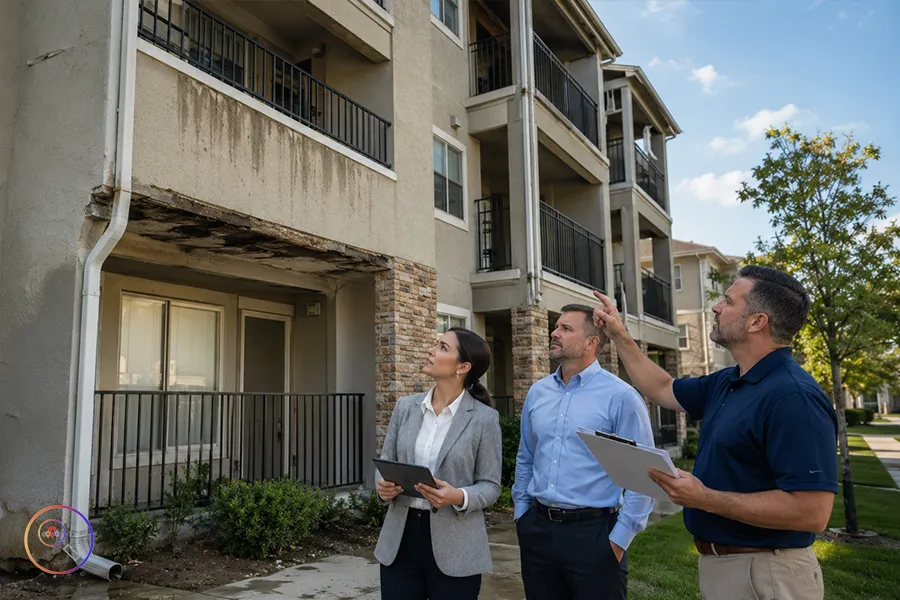
Apartment-style communities depend on more than attractive units and shared amenities. Residents also rely on roofs, exterior walls, foundations, balconies, drainage systems, plumbing lines, and other building components to function safely for years after construction is complete.
When one of these systems fails because of poor design, improper installation, defective materials, or construction that did not follow approved plans, the problem may become more than an ordinary maintenance issue. It may qualify as a construction defect.
Construction defects can affect condominium developments, townhome communities, mixed-use buildings, and other residential properties governed by a homeowners association. Some problems appear shortly after residents move in. Others remain hidden behind walls, beneath roofing materials, or below the ground until they cause significant damage.
Understanding HOA construction defect claims can help board members, property managers, owners, and residents identify warning signs, protect the community’s finances, and respond before legal deadlines expire.
When a property is constructed by a developer, an HOA typically expects the work to comply with approved plans, building codes, industry standards, warranties, and contractual requirements. When that does not happen, HOA construction defect claims against developers may provide a path for recovering the cost of necessary repairs.
Construction-defect rules differ from state to state, so an HOA should consult qualified legal and technical professionals before making decisions. This article provides general information and should not be treated as legal advice.
What Is a Construction Defect?
A construction defect is a problem in a building’s design, materials, or workmanship that causes a property component to fail, deteriorate prematurely, or perform below the required standard.
Not every crack, leak, or repair issue automatically qualifies as a legally actionable defect. Buildings require routine maintenance, and certain materials naturally wear out over time. The key question is often whether the problem resulted from normal aging or from an error that occurred during design or construction.
Construction defects generally fall into four categories:
| Defect category | Description | Apartment-community examples |
|---|---|---|
| Design defects | Errors or omissions in architectural or engineering plans | Improper drainage slope, undersized structural components, or inadequate ventilation |
| Workmanship defects | Construction work performed incorrectly | Improperly installed windows, roofing, flashing, or waterproofing |
| Material defects | Products that fail earlier than expected | Defective siding, sealants, pipes, fasteners, or roofing materials |
| Code or standard violations | Work that does not meet applicable requirements | Unsafe railings, insufficient fire separation, or noncompliant electrical work |
A community may experience more than one type of defect at the same time. For example, recurring water intrusion may involve flawed architectural details, poorly installed flashing, and unsuitable sealant products.
Common Construction Defects in Apartment-Style Communities
Multifamily and apartment-style buildings contain many interconnected systems. A failure in one area can spread quickly and affect several units or common spaces.
Some of the most common defects include:
- Water intrusion around windows and doors
- Roof leaks and inadequate roof drainage
- Improperly installed flashing
- Cracks in foundations or structural components
- Poor site grading and drainage
- Balcony and walkway deterioration
- Exterior wall or stucco failures
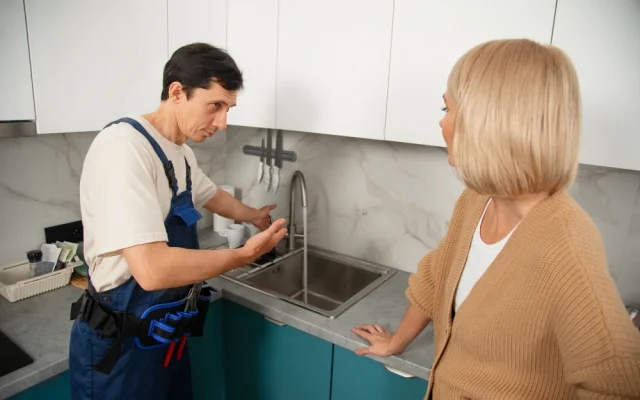
- Plumbing leaks inside walls
- Inadequate waterproofing in bathrooms or shared areas
- Heating, ventilation, and air-conditioning problems
- Electrical installation defects
- Fire-stopping and fire-separation deficiencies
- Elevator or accessibility-related construction issues
- Defective parking structures
- Premature pavement or concrete deterioration
Water infiltration is especially serious because it may remain unnoticed for months or years. Moisture can travel through walls, damage insulation, stain ceilings, deteriorate framing, and create conditions that encourage mold growth.
A small stain in one apartment may therefore be evidence of a much larger problem affecting the building envelope.
Why Construction Defects Matter to Residents
Construction-defect claims are usually managed by the HOA board, property owner, developer, insurers, attorneys, and technical experts. Nevertheless, residents often experience the greatest day-to-day disruption.
Depending on the problem, residents may face:
- Repeated maintenance visits
- Water shutoffs
- Closed balconies, pools, gyms, or walkways
- Construction noise and dust
- Temporary relocation
- Scaffolding around the building
- Limited access to parking areas
- Interior inspections
- Removal of drywall or flooring
- Increased HOA assessments
- Delays in unit sales or refinancing
Renters may also be affected even though they do not own the unit. A defect can interfere with habitability, damage personal belongings, or require contractors to enter the apartment repeatedly.
Residents should report suspected problems in writing rather than relying only on verbal conversations with maintenance personnel. Written reports create a timeline and may help the property manager or HOA identify recurring issues across multiple units.
Useful documentation may include photographs, videos, maintenance requests, emails, repair invoices, dates of water intrusion, and notes describing when the problem occurs.
Warning Signs Residents and Managers Should Not Ignore
A construction defect does not always begin with a dramatic structural failure. It often starts with minor symptoms that return despite repeated repairs.
Warning signs may include:
- Water stains that reappear after repainting
- Musty odors near windows or exterior walls
- Cracks that continue to widen
- Doors or windows that no longer close correctly
- Uneven floors
- Persistent balcony ponding
- Rust stains near railings or structural connections
- Paint bubbling or peeling without an obvious cause
- Efflorescence or white mineral deposits on masonry
- Repeated plumbing leaks in similar locations
- Frequent roof repairs that do not solve the problem
- Drainage water flowing toward buildings
- Exterior cladding pulling away from the structure
- Recurring mold or moisture complaints
One isolated issue may result from ordinary maintenance. However, the same problem appearing in several units or buildings may point to a community-wide construction issue.
Property managers can help identify patterns by maintaining a central record of resident complaints, repair requests, inspection results, and contractor findings.
Maintenance Problem or Construction Defect?
Distinguishing between deferred maintenance and defective construction is not always easy.
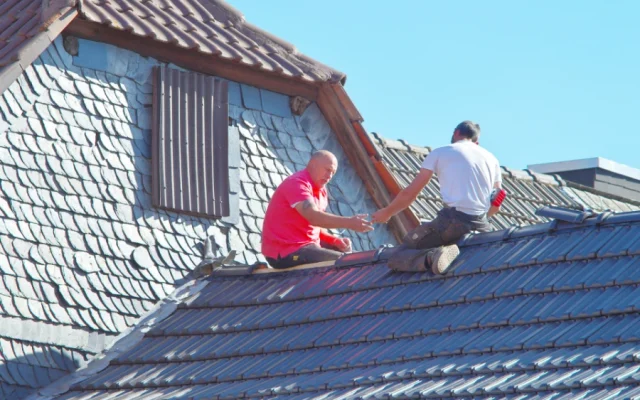
Consider a roof leak. If the roofing system has exceeded its expected service life and has not been maintained, the problem may be ordinary deterioration. On the other hand, if a relatively new roof leaks because flashing was installed incorrectly, the HOA may be dealing with a construction defect.
The same distinction applies to windows, balconies, plumbing systems, pavement, and exterior walls.
| Possible maintenance issue | Possible construction defect |
|---|---|
| Sealant deteriorated after years of exposure | Sealant was improperly selected or installed |
| Roof failed near the end of its expected life | Roof failed shortly after construction |
| Drain clogged because it was not cleaned | Drainage system was designed with inadequate capacity |
| Exterior paint faded naturally | Moisture behind the wall caused premature coating failure |
| Pipe developed age-related corrosion | Improper fittings caused repeated early leaks |
HOA boards should avoid making legal conclusions based solely on a maintenance contractor’s opinion. Contractors may be qualified to perform repairs but may not have the expertise necessary to determine the underlying design or construction cause.
Why Early Investigation Matters
Construction defects may worsen over time. A small waterproofing failure can damage framing, insulation, drywall, flooring, and finishes. As the affected area grows, the cost of repair may increase significantly.
Waiting also creates legal risk.
Most states impose deadlines for bringing construction-related claims. These deadlines may include statutes of limitation and statutes of repose. The applicable rules depend on the state, the type of property, the nature of the defect, and the parties involved.
A statute of limitation commonly begins when a defect is discovered or reasonably should have been discovered. A statute of repose is different. It generally creates an outer deadline based on an event such as substantial completion, regardless of when the defect becomes visible.
This means an HOA may lose the right to pursue a claim even when the board only recently learned that a hidden problem existed.
Because the deadlines and triggering events vary, boards should seek legal advice promptly after noticing a potentially serious or recurring construction problem.
The Transition From Developer Control
The period when control of the HOA transfers from the developer to homeowner-elected directors is especially important.
During the early life of a community, a developer may appoint the board members. This arrangement can create an obvious conflict when the association needs to investigate work performed by that same developer.
Once homeowners gain control, the new board should obtain and organize the community’s key records, including:
- Approved construction plans
- Architectural and engineering drawings
- Specifications
- Change orders
- Permits and inspection records
- Warranties
- Maintenance manuals
- Contractor and subcontractor lists
- Reserve studies
- Prior repair records
- Developer correspondence
- Insurance information
- Meeting minutes
- Resident complaints
The board should also determine whether the property received a comprehensive transition inspection. A standard visual walkthrough may not be enough for a large or complex community.
Transition inspections can help identify missing documents, incomplete work, drainage concerns, building-envelope problems, safety issues, and systems that may require more detailed evaluation.
The Role of the HOA Board
HOA directors generally have a responsibility to act in the best interests of the association. That does not mean every reported crack or leak requires a lawsuit.
It does mean the board should respond reasonably.
A responsible process may include:
- Recording the complaint or observed condition.
- Determining whether immediate safety measures are required.
- Reviewing prior repairs and similar complaints.
- Consulting qualified professionals.
- Preserving documents and physical evidence.
- Evaluating warranties and insurance coverage.
- Reviewing legal deadlines.
- Considering repair, negotiation, mediation, or litigation options.
- Communicating appropriately with residents.
- Documenting the board’s decisions.
The board’s duty is usually not to guarantee a perfect outcome. Its responsibility is to investigate significant concerns, obtain reliable advice, and make informed decisions.
Ignoring repeated signs of building failure can increase repair costs and create questions about whether the board acted prudently.
What a Forensic Inspection Should Cover
Routine property inspections focus primarily on maintenance. A forensic investigation goes further by examining why a system failed and whether the cause relates to design, materials, or construction.
Depending on the problem, the HOA may need assistance from:
- Structural engineers
- Civil engineers
- Architects
- Building-envelope specialists
- Roofing consultants
- Mechanical engineers
- Electrical engineers
- Plumbing experts
- Materials-testing laboratories
- Cost estimators
- Industrial hygienists
The inspection may include roofs, exterior walls, windows, doors, balconies, foundations, drainage systems, parking structures, waterproofing assemblies, plumbing, electrical installations, and mechanical systems.
Experts may use moisture meters, infrared imaging, water testing, selective demolition, laboratory analysis, surveying equipment, or other diagnostic methods.
The resulting report should explain observed conditions, likely causes, affected areas, recommended repairs, and estimated costs. It may also identify whether additional destructive testing is necessary.
A well-prepared forensic report often becomes central to negotiations and any later legal claim.
Preserving Evidence Before Repairs Begin
Some construction defects require immediate action to protect residents or prevent additional damage. However, repairing the problem without preserving evidence can make it harder to establish the cause later.
Before major repair work begins, the association should consider:
- Photographing and filming the affected areas
- Recording dates and weather conditions
- Saving removed materials
- Documenting repair methods
- Notifying potentially responsible parties
- Allowing experts to inspect the condition
- Keeping contractor proposals and invoices
- Preserving emails and resident reports
Emergency stabilization may need to happen first when safety or active water intrusion is involved. Even then, the HOA should document the original condition as thoroughly as possible.
Residents should also avoid discarding damaged personal property until they have photographed it and checked whether an insurer or other party needs to inspect it.
Right-to-Repair and Pre-Litigation Procedures

Many states require an owner or association to give the builder notice and an opportunity to inspect or repair alleged defects before filing a lawsuit.
These procedures may require specific notices, waiting periods, inspections, meetings, repair proposals, or mediation. Failing to follow the required process may delay a case or affect the association’s legal options.
California, for example, has detailed procedures for certain common-interest developments and construction-defect claims. Other states use different systems.
The existence of a right-to-repair law does not necessarily mean the HOA must accept every proposed repair. The association may need experts to evaluate whether the proposal addresses the root cause, covers all damaged areas, and provides appropriate warranties.
Boards should also understand whether allowing repairs will affect evidence, insurance coverage, or claims against other contractors and design professionals.
Tolling Agreements and Ongoing Negotiations
Construction-defect disputes are rarely resolved overnight. Investigations, testing, repair estimates, insurance reviews, and negotiations can take months or even years.
Meanwhile, legal deadlines may continue to run.
A tolling agreement is a written agreement that temporarily pauses or extends specified deadlines while the parties investigate or negotiate. The exact effect depends on the language of the agreement.
Boards should not assume that friendly discussions, repair visits, or promises from a developer automatically protect the association’s rights. A qualified attorney should evaluate the deadlines and determine whether a tolling agreement is necessary.
How Claims Can Affect Sales, Rentals, and Property Values
A pending construction-defect claim may affect more than the HOA’s repair plans.
Potential buyers, lenders, insurers, and title professionals may ask about major defects or litigation. Some lenders may hesitate to finance units in communities with unresolved structural or financial concerns.
Owners may also encounter longer selling periods, additional disclosure requirements, or questions about future special assessments.
For renters, construction disputes may lead to temporary inconvenience, but they may also indicate that the community is actively addressing a serious problem. The existence of a claim should therefore be evaluated in context.
A well-managed claim can ultimately protect the property by producing funds for repairs and creating a documented plan. An ignored defect may continue to deteriorate and become more expensive.
According to a Northern Illinois real estate lawyer, legal guidance can help clients identify issues that may affect the financial or business aspects of a real estate transaction. Buyers and sellers dealing with a property in a community that has known defects or active litigation may benefit from obtaining advice before completing the transaction.
Questions Prospective Renters Can Ask
Prospective renters may not have access to every HOA record, but they can still observe the property and ask practical questions.
Consider asking:
- Are any major exterior repairs planned?
- Have there been recurring water leaks?
- Are balconies, elevators, parking areas, or amenities closed?
- Will contractors need access to the unit?
- Is scaffolding expected during the lease term?
- Have residents experienced repeated plumbing interruptions?
- Are any major assessments or renovation projects underway?
- How are maintenance emergencies reported?
- Who is responsible for damage to personal belongings?
- Are temporary relocation procedures available?
Renters should also inspect the unit carefully before signing the lease. Look for water stains, patched ceilings, musty smells, damaged flooring, cracks, condensation, and signs of repeated repairs.
Concerns should be documented in the move-in condition report.
What Residents Should Do When They Notice a Problem
Residents can support the community’s investigation by reporting issues clearly and consistently.
A useful written report should include:
- The unit number and exact location
- The date the problem was first observed
- Whether it has happened before
- Weather or other conditions at the time
- Photographs or videos
- A description of resulting damage
- Previous repair attempts
- Any immediate health or safety concern
Residents should follow the community’s official maintenance-reporting process and keep copies of every submission.
Emergency conditions such as active electrical hazards, severe water intrusion, unstable ceilings, or damaged railings should be reported immediately.
Communication During a Construction-Defect Investigation
Boards and property managers must balance transparency with legal and confidentiality concerns.
Residents generally need practical information about safety, access, repairs, schedules, and disruptions. They do not necessarily need every detail of legal strategy or privileged attorney communications.
Helpful updates may explain:
- What area is being inspected
- Whether a safety restriction is temporary
- When contractors will enter units
- How residents should report related damage
- Whether utilities will be interrupted
- What residents should remove or protect
- Who to contact with questions
- When another update is expected
Consistent communication can reduce rumors and help residents cooperate with inspections and repairs.
The Cost of Waiting
The greatest risk is often not the initial defect but the delay in responding to it.
A board may believe it is saving money by repeatedly patching leaks or postponing a professional assessment. In reality, surface repairs may conceal ongoing damage while legal deadlines continue to approach.
Prompt investigation does not force an HOA to file a lawsuit. It gives the board the information needed to choose among repair, warranty enforcement, insurance claims, negotiation, mediation, or litigation.
The developer may be responsible for defective work, but the board is responsible for learning whether significant defects exist and deciding how the association should respond.
Final Thoughts
Construction defects in apartment-style communities can affect building safety, resident comfort, association finances, rental activity, and property values. Because many defects remain hidden until damage becomes extensive, early reporting and qualified investigation are essential.
Residents should document recurring problems and report them in writing. Property managers should track complaint patterns across units and buildings. HOA boards should preserve records, obtain professional advice, review legal deadlines, and communicate clearly with the community.
Not every building problem becomes a construction-defect claim. Still, a recurring leak, widening crack, failing balcony, or drainage problem deserves more than a temporary patch when the underlying cause is unknown.
By investigating early and making evidence-based decisions, an HOA can protect both current residents and the long-term stability of the community.