
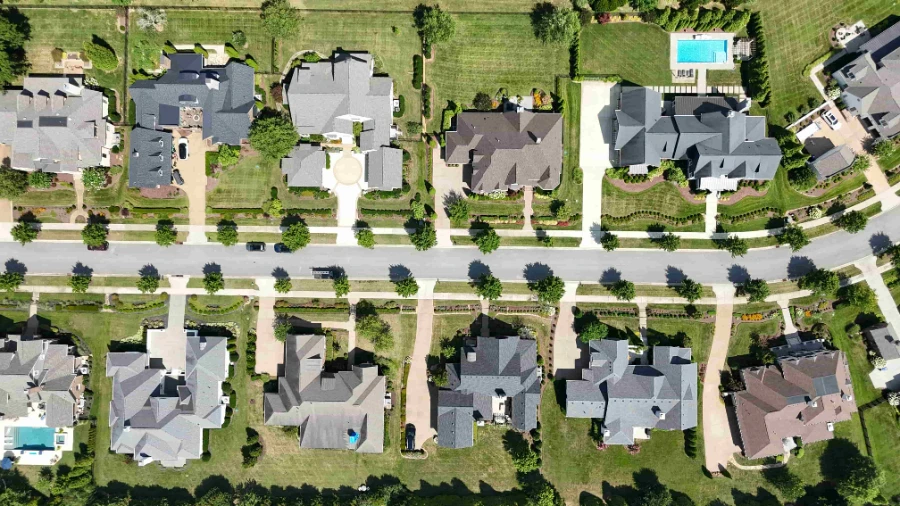
Texas is one of the most HOA-crowded states in the nation. More than 1 in 4 Texas homes are in a homeowners association, and that number continues to grow as master-planned communities sprawl throughout the Houston, Dallas, San Antonio, and Austin metro areas.
The HOA is not an abstraction for millions of Texas homeowners. It is the entity that establishes the rules for their neighborhood, manages common infrastructure, and charges monthly or annual dues that directly impact their housing budget.
Yet most homeowners have only a vague idea of what HOA management actually means, who does what, and why the quality of management matters so much to daily life in a community.
What Is HOA Management?
An HOA, or homeowners association, is a legal entity formed to manage a residential community. It establishes and enforces rules, maintains common areas, handles shared finances, and advocates for the collective interests of all owners within the development.
HOA management is the professional administration of those functions, usually performed by a third-party management company hired by the board of directors .
There is a difference between the two. The board governs, setting policy, approving budgets, and making decisions for the community. The management company does the work. They make those decisions, they run the day-to-day operations, and they provide the professional infrastructure that volunteer board members cannot reasonably sustain on their own.
In Texas, the growth of third-party property management as a professional service has followed directly from the expansion of planned residential communities, where the operational complexity quickly outpaces what volunteer boards can handle alone.
What Does an HOA Management Company Actually Do?
Most homeowners do not realize how broad the scope of HOA management is until something goes wrong.
- Fiscal management: Collection of dues, budget development, delinquency follow-up, and monthly financial reporting. Professional oversight is the primary safeguard against the mismanagement that destabilizes communities
- Rule Enforcement: Issuing violation notices, recording violations, and assessing fines pursuant to Texas Property Code Chapter 209. If you get this wrong, the HOA is open to legal challenges
- Vendor coordination: Hire and manage vendors for landscaping, maintenance, insurance, and capital projects. Self-managed boards rarely enjoy the pre-vetted relationships and purchasing leverage found in established management companies
- Owner communications: Responding to homeowners’ questions, facilitating board meetings, and managing digital portals for dues payments, maintenance requests, and document access
- Owner communications: Responding to homeowners’ questions, facilitating board meetings, and managing digital portals for dues payments, maintenance requests, and document access
- State law compliance: Texas HOA legislation changes regularly. A professional management company tracks updates and informs boards proactively, keeping communities on the right side of the law
Why HOA Management Matters Specifically in Texas
There are several features that make professional HOA management more critical in Texas than in many other states.
In Texas, and especially Houston, deed restrictions, not municipal zoning, mostly govern the city’s land use and look. HOA management companies are directly responsible for enforcing these restrictions, and they need specialized knowledge of Texas property law to do so correctly.
The Texas Property Code Chapter 209 is the law that governs residential HOAs in Texas and contains detailed requirements around assessment collection, foreclosure processes, meeting notices, record access, and dispute resolution. Boards not current with these requirements have real legal exposure. “Professional management companies are in the business of compliance.
Texas has some of the largest master-planned communities in the U.S., including The Woodlands, Cinco Ranch, Sugar Land, and Sienna. These large-scale developments can include hundreds or thousands of homes and involve complex shared infrastructure and governance, which require professional operational support.
Master-planned community living in Texas has set a standard for amenity-rich neighborhoods that require sophisticated management to maintain.
The average HOA fee in Texas for communities that have meaningful amenities is $200-$400 per month. These fees are paid by homeowners, who deserve professional-grade financial transparency and operational competence in return. Weak management means higher fees, lower reserves, and falling property values.
Signs Your HOA Needs Professional Management
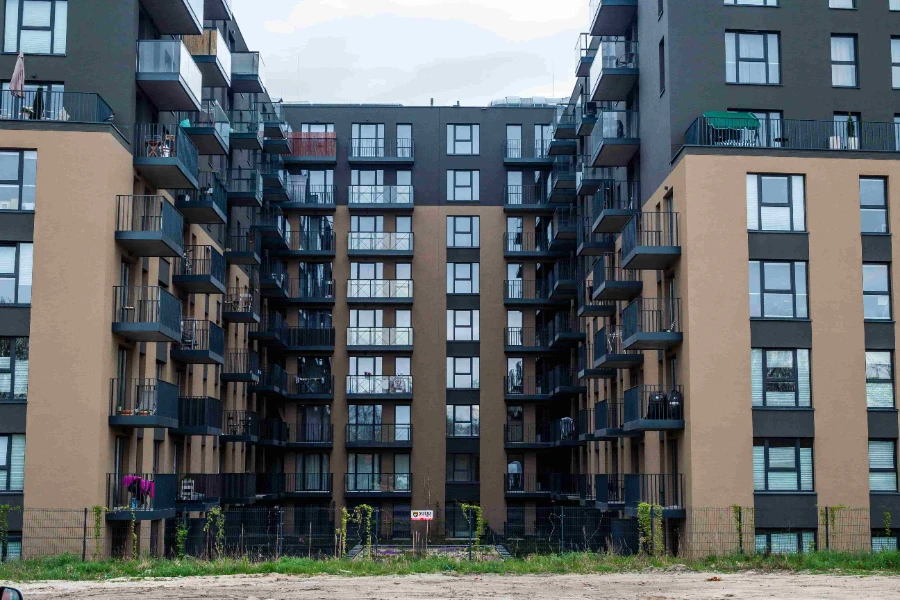
Many Texas communities start self-managed and reach a point where the complexity exceeds what volunteers can sustain. The warning signs are consistent.
- Delinquency problems: Dues go uncollected, reserves shrink, and financial stability deteriorates without a systematic process in place.
- Board burnout: Volunteer board members have jobs and families. When the administrative load becomes unsustainable, turnover accelerates and governance suffers.
- Inconsistent enforcement: Rules enforced selectively create conflict, resentment, and declining property values across the community.
- Poor financial visibility: If the board cannot produce monthly statements or does not know its reserve fund balance, the community’s long-term health is quietly at risk.
How to Evaluate HOA Management Companies in Texas
Not all management companies are equal. Texas homeowners and boards evaluating options should look for the following.
- Certifications: Look for managers holding the CMCA, AMS, or PCAM designations through the Community Associations Institute, a reliable indicator of professional standards.
- Local expertise: A company with a Texas-focused portfolio brings the vendor relationships, legal contacts, and regulatory knowledge that generic operators cannot replicate.
- Technology: Modern management companies provide owner portals for dues payments, maintenance requests, and document access. No portal means inefficient operations and frustrated residents.
- Fee transparency: Request a complete fee schedule before signing. Violation notices, document production, and after-hours calls can add significantly to the base monthly rate.
- References: Speak with a current board member of a comparable community in the same Texas market; it’s the most reliable way to assess real service quality.
For Texas communities evaluating professional management options, working with established HOA management companies that have demonstrated experience across Texas and Gulf South markets ensures both operational competence and regulatory compliance.
Conclusion
Homeowners in HOA communities are not passive participants. Texas law gives them specific rights, including the right to inspect financial records, attend board meetings, and challenge improper enforcement.
Before purchasing in any HOA community, the most important steps are reviewing the governing documents, current financials, reserve fund status, and management contract. Those documents tell the real story of a community’s health far better than a model home tour.
For communities already under management, homeowners who attend annual meetings, review monthly financials, and hold boards accountable are the most effective check on the system.
Professional HOA management is not just an administrative function. In Texas’s master-planned communities, it is one of the primary factors that determines whether a neighborhood holds its value, enforces its standards, and delivers on what buyers were promised when they signed.
Frequently Asked Questions (FAQs)
HOA management is the professional administration of a homeowners association, including finances, rule enforcement, vendor coordination, and homeowner communication.
An HOA management company handles the day-to-day operations of a community, helping the board manage budgets, maintenance, compliance, and resident concerns.
Texas communities often have complex amenities, large populations, and strict property regulations that require professional oversight and operational support.
Yes, some communities are self-managed, but many eventually require professional management as responsibilities and administrative demands grow.
Most residential HOAs in Texas operate under Texas Property Code Chapter 209, which outlines rules for governance, collections, meetings, and homeowner rights.
HOA fees vary by community, but neighborhoods with extensive amenities commonly charge between $200 and $400 per month.
Look for certifications, local Texas experience, strong technology platforms, transparent pricing, and references from similar communities.
Common warning signs include inconsistent rule enforcement, poor communication, unpaid dues, weak reserve funds, and frequent board turnover.
Yes. Texas homeowners generally have rights to review financial records, attend meetings, and challenge improper enforcement actions.
Well-managed communities maintain amenities, enforce standards consistently, and protect financial stability, all of which help preserve home values.