
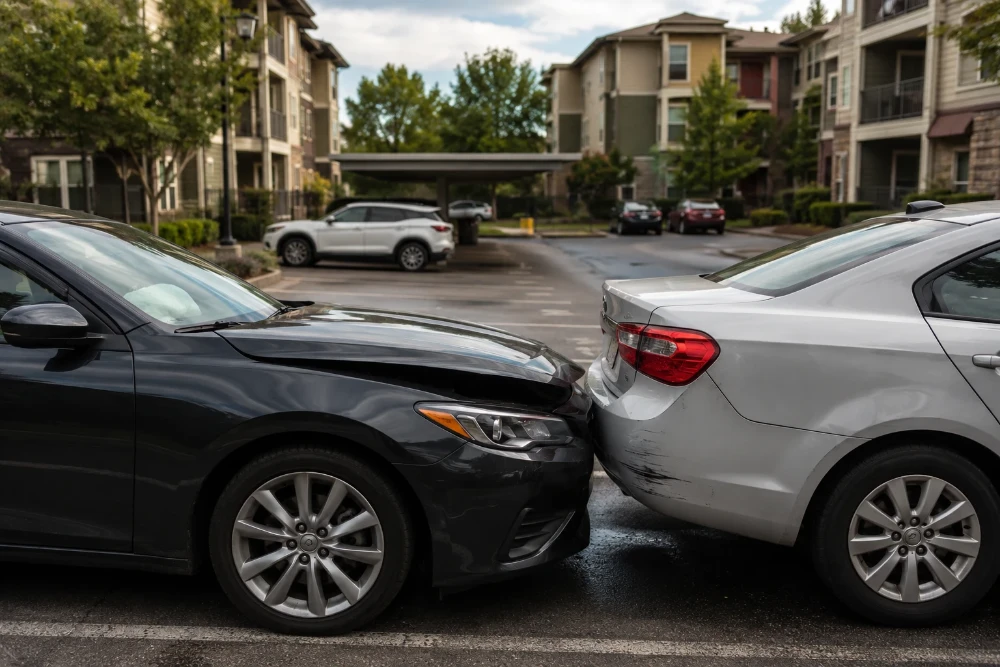
A car accident in your apartment complex’s parking lot can be a confusing and stressful event. It can leave you with vehicle damage, injuries, and questions about your rights and your landlord’s responsibilities. This guide will help you understand the steps to take and the legal rights you have as a tenant.
Understanding Liability in Apartment Complex Accidents
Determining liability for an accident in an apartment complex can be more complicated than on a public road. More than one party could be at fault, including the other driver or the apartment management. Understanding premises liability is key to protecting your rights.
The Other Driver’s Responsibility
Usually, the driver who caused the accident is responsible for the damages. Drivers are expected to operate their vehicles safely, even in a private parking lot. If another tenant or a visitor is at fault, you would file a claim with their auto insurance.
When is the Landlord Liable?
In some situations, the apartment complex owner or management company could also be held liable. This falls under premises liability, which requires property owners to maintain a safe environment. A landlord’s negligence could contribute to an accident in several ways:
- Poor Lighting: Inadequately lit parking lots and roadways can make it difficult for drivers to see pedestrians, other vehicles, or potential hazards, leading to accidents.
- Unsafe Parking Lot Design: A poorly designed parking lot with blind corners, insufficient space for maneuvering, or a lack of proper signage can create dangerous conditions.
- Failure to Maintain the Property: Potholes, large cracks, or other forms of disrepair in the pavement can cause a driver to lose control of their vehicle. Similarly, failure to remove snow, ice, or debris can also lead to accidents.
- Inadequate Security: If the accident was the result of criminal activity, such as a hit-and-run by an intruder, the landlord might be liable if they failed to provide adequate security measures, such as gates, cameras, or security personnel.
If you believe your landlord’s negligence caused your accident, you may need to consult with an experienced accident lawyer. An attorney can help you gather evidence and navigate a premises liability claim.
Steps to Take Immediately After the Accident
The steps you take after a car accident in your apartment complex can affect your insurance claim and any potential legal action. Here’s what to do:
1. Ensure Everyone’s Safety
Check for injuries and call 911 if anyone is hurt. It’s always a good idea to get a medical evaluation, as some injuries may not be immediately apparent.
2. Contact the Police
Contact the police, even though the accident is on private property. They can document the scene and create an official record, which is valuable for your insurance claim.
3. Exchange Information
Exchange information with the other driver, including their name, contact information, and insurance details. If there are witnesses, get their contact information as well.
4. Document the Scene
Document the scene with your smartphone. Take pictures and videos of:
- The damage to both vehicles
- The license plates of the vehicles involved
- The location of the accident within the apartment complex
- Any contributing factors, such as poor lighting, potholes, or lack of signage
5. Notify Your Landlord
Notify your landlord of the accident as soon as possible, especially if you believe an unsafe condition on the property was a factor. Keep a written record of your notification.
Navigating the Insurance and Legal Process
After the accident, you’ll need to file an insurance claim and possibly pursue legal action. Understanding your rights is essential.
Filing an Insurance Claim
Report the accident to your auto insurance company, even if you weren’t at fault. Provide them with all the information you gathered. They will guide you through the claims process.
When to Consider Legal Action
If the other driver is uninsured or their insurance company won’t offer a fair settlement, you may need to file a lawsuit. If you suspect your landlord’s negligence was a factor, a personal injury lawsuit may be necessary. An accident lawyer can help you determine the best course of action.
Your Rights as a Tenant
As a tenant, you have the right to a safe living environment, which is protected by the “implied warranty of habitability.” This requires landlords to maintain their properties in a safe and livable condition, including common areas like parking lots.
Review Your Lease Agreement
Your lease outlines your landlord’s responsibilities for maintenance and safety. Review it to understand their obligations. Some leases may try to limit the landlord’s liability, but these clauses are not always enforceable. Understanding your lease is a key part of navigating your options, much like understanding how smart home technology is changing apartment living can improve your residential experience.
The Right to a Safe Environment
The U.S. Department of Housing and Urban Development (HUD) states that tenants have a right to safe housing. If a hazard in a common area leads to an accident, your landlord could be in breach of their duty. Documenting unsafe conditions is crucial evidence.
Proving Landlord Negligence
To hold your landlord liable, you must prove four elements of negligence:
- Duty of Care: The landlord had a duty to maintain a reasonably safe property.
- Breach of Duty: The landlord failed to meet that duty by not addressing a known hazard.
- Causation: The landlord’s breach of duty directly caused the accident.
- Damages: You suffered damages (vehicle damage, injuries, etc.) as a result.
Gathering evidence like photos, witness statements, and records of previous complaints is essential. For more on landlord responsibilities, the Idaho Attorney General’s Landlord and Tenant Manual is a helpful resource.
Conclusion
A car accident in your apartment complex is stressful, but knowing your rights is the first step to a successful resolution. Prioritize safety, document everything, and report the incident to the police and your landlord. While the other driver is usually at fault, don’t overlook your landlord’s potential liability if unsafe conditions were a factor. If you’re in a complex situation, an experienced accident lawyer can help you understand your options. To learn more about our commitment to helping renters, you can read about us.
Frequently Asked Questions (FAQs)
In most cases, the driver who caused the accident is responsible for the damages. However, the landlord could also share liability if unsafe property conditions contributed to the crash.
Yes, landlords may be liable if poor lighting, damaged pavement, unsafe design, or lack of security contributed to the accident.
Yes. A police report creates an official record of the accident and can help support your insurance claim or legal case.
Take photos of vehicle damage, road conditions, lighting, signage, and the accident location, and gather witness contact information if possible.
Yes, especially if you believe a hazardous condition on the property played a role in the incident. Written notice is best.
You may need to rely on your uninsured motorist coverage or consider legal action to recover damages.
Yes. Tenants have the right to a reasonably safe living environment, including common areas like parking lots and walkways.
Premises liability refers to a property owner’s legal responsibility to maintain safe conditions and prevent foreseeable harm on their property.
Some leases attempt to limit liability, but those clauses are not always legally enforceable depending on state laws and the situation.