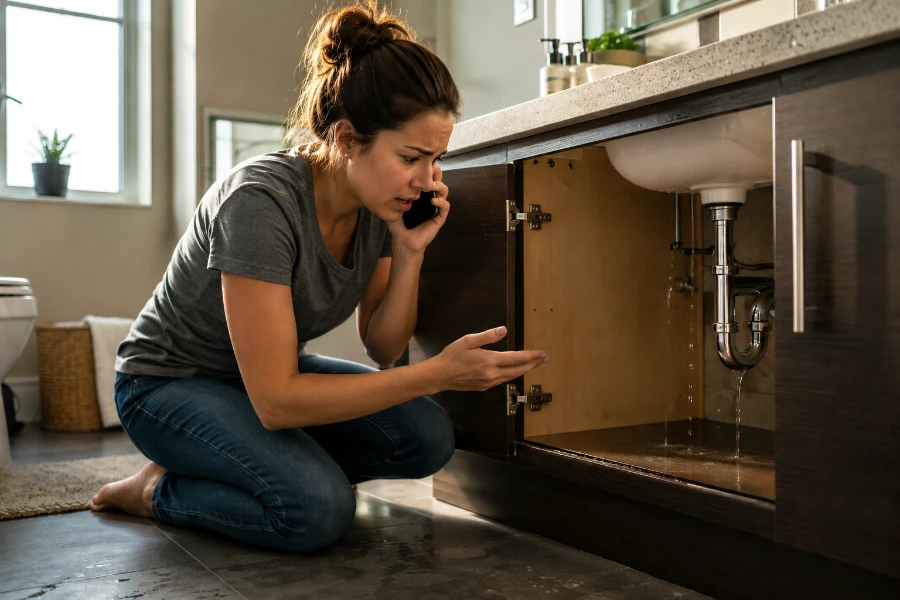

It was 11 PM, and you were about to go to bed when you heard a strange dripping sound from the bathroom, and then you thought it was nothing. Then the next morning, you had a puddle under the sink, and damage to your cabinet, and were left to wonder if the little drip should have been reported earlier.
Many people face similar plumbing issues while living in apartments. Luckily, many of these plumbing emergencies don’t necessarily start as major failures. In fact, many start as a small warning sign that most tenants overlook because they think it’s insignificant.
You can learn how to do some routine maintenance on your plumbing systems, which can keep your apartment in good condition and help you communicate with your property managers when your apartment needs to be repaired by a professional.
No matter if you are moving into your first rental or have been living in apartments for many years. Knowing how to care for your plumbing appliances can make everyday life much easier. In this blog, we will discuss plumbing tips that every tenant should consider.
Recognizing Common Issues with Your Plumbing Fixtures
Many apartment plumbing issues are caused by tenants not being aware of the early signs of wear on their fixtures. All kitchen and bathroom plumbing fixtures, such as faucets, shower valves, toilets, and sink drains, are subject to constant use and will develop some form of wear over time; even high quality fixtures also need maintenance.
Here are some signs to look for that may indicate a plumbing issue:
- A faucet that continues to drip after being shut off
- A toilet that continues to run between flushes
- Decreased water pressure from a showerhead
- A sink that is slow to drain or has an unpleasant odor coming from the drain
These signs can be indicative of minor issues like a deteriorated washer, damaged cartridge, or mineral build up that will become more severe if they are not addressed immediately.
For older fixtures or non-standard systems, plumbing professionals may need access to special parts in order to make the necessary repairs. Resources such as New York Replacement Parts will assist you in finding compatible replacement parts for your faucets, toilets, showers and other plumbing fixtures.
Small Things That Can Prevent Major Plumbing Problems.
Maintaining your plumbing system does not have to be hard. Most of the best ways to keep your plumbing system healthy take only a minute to do, and will help your bathroom and kitchen fixtures to last longer.
Be Careful What You Put Down Your Drains
Most drains in kitchens and bathrooms are designed to drain water and the correct waste materials, but not everything that can fit through the opening.
Avoid putting the following materials down the sinks:
- Grease and oil from cooking
- Coffee grounds or food
- Hair
- Paper towels, wipes or feminine hygiene products
Simple drain covers and proper disposal of the waste will stop most of the typical impediments to the normal flow of water through your drains.
Do Not Ignore Small Leaks
A slow dripping faucet may not appear to be a problem, but it can waste huge amounts of water over an extended period of time, and it could damage the cabinets, floors, and walls around it.
If you notice any continuing leaks, you should notify your landlord or your maintenance person as soon as possible. The sooner you bring it to someone’s attention, the easier it will be to fix and may help to eliminate or prevent much more serious structural problems.
If a leak continues despite basic maintenance or you notice recurring plumbing issues, it’s best to consult a trusted local plumber before the problem leads to costly water damage. Prompt professional repairs can protect your apartment, prevent structural issues, and ensure your plumbing system continues to operate efficiently.
Knowing When to Fix It Yourself and When to Call a Professional
All tenants must understand what type of problem can be fixed through basic routine upkeep or should be handled by a professional.
Examples of problems you might encounter:
| Problem | What You Can Do | When to call professionals |
| Minor Clog in Sink | Put a drain cover over the sink or remove anything visible that is causing a clog. | If you still have a clog after removal of the visible blockage. |
| Low Water Pressure in Shower | Clean the showerhead and remove any mineral deposits | If, after being cleaned, the low-pressure issue continues. |
| Continuous Running Toilet | Report the issue and refrain from flushing the toilet repeatedly/ | Call Maintenance to examine and replace any internal parts if necessary. |
| Water Leaks from Walls or Floors | Turn off any water line close to the leak and call maintenance as soon as possible. | Call Maintenance immediately for all instances of water leaking from the walls or floors. |
Do not attempt to disassemble any part of the plumbing system inside your apartment without knowledge. An incorrect repair may cause further damage and be in violation of your lease agreement.
Extend the Life of Your Faucets, Toilets, and Showers
Apartment fixtures go through many uses each year, but they have an even greater impact on their lifespan based on how often they are inspected and properly maintained.
Many simple maintenance methods will help extend the life of fixtures. Some examples include: removing mineral buildup from fixtures; inspecting for loose handles; not using excessive force when turning handles on; taking note of any strange noises coming from fixtures, and investigating immediately.
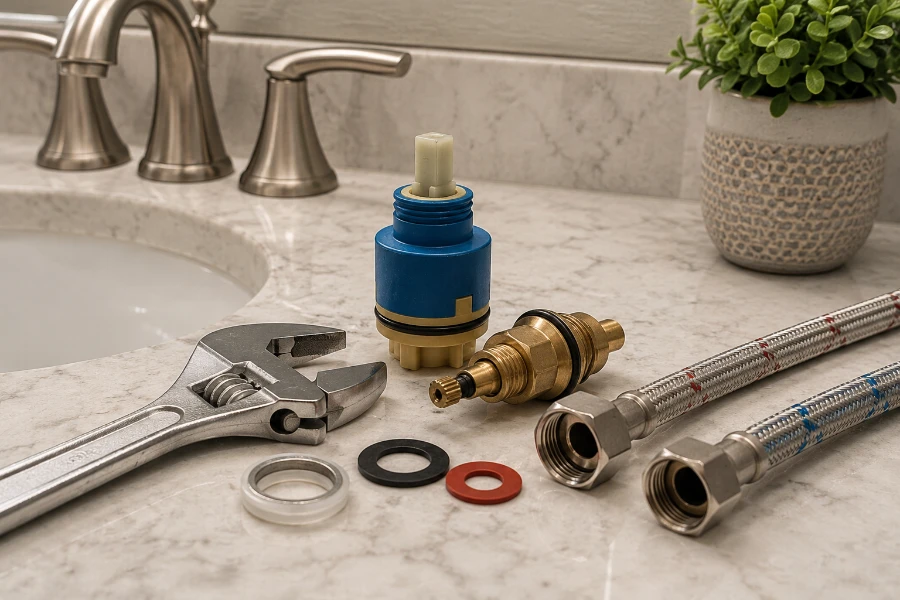
When repairs require the replacement of valves, cartridges or other plumbing items, property maintenance groups will often utilize good suppliers such as Quality Plumbing Supply to assist in identifying appropriate parts that will work with existing plumbing systems and provide long-term performance.
The Most Common Mistakes that Tenants Make
One of the most significant mistakes tenants make is waiting until a problem becomes impossible to ignore. Minor leaks, strange noises, or slow drainage in an apartment alert a tenant that something requires fixing or repair.
Another common mistake made is relying too much on harsh chemical drain cleaners. They are typically just a quick fix, and using these products repeatedly can damage certain plumbing and create even larger maintenance issues over time.
The last mistake tenants make is not reporting minor issues because they worry they will annoy the landlord or property management. The Truth is, many times landlords prefer to hear of minor problems early so they can repair them before they create more significant water damage, which could have been repaired fairly quickly or inexpensively.
Conclusion
The appearance of a residential or commercial space develops through both small day-to-day maintenance and larger renovations. If you’re trying to create a comfortable atmosphere for yourself and others in your apartment, then you should be paying attention to small things such as a consistent drip from the faucet, unusual noises in the toilet, or a bathroom sink that takes more time than usual to drain every week.
You don’t have to be a master plumber to help protect your apartment as a tenant, but if you are diligent in staying observant for signs of maintenance issues and adopting good habits for maintaining your apartment’s condition, you will be able to avoid costly emergencies. It helps conserve resources by being more responsible for the cleanliness and safety of your apartment.
Frequently Asked Questions (FAQs)
Report it to your landlord or maintenance team immediately. Even a minor leak can cause significant water damage if left untreated.
A running toilet often indicates a worn internal component. Therefore, it should be inspected and repaired as soon as possible to prevent water waste.
Although they may provide temporary relief, frequent use can damage pipes and plumbing fixtures. Instead, try safer methods or contact maintenance.
Wipes, paper towels, feminine hygiene products, and other non-flushable items should never be flushed because they can cause serious blockages.
First, clean the showerhead to remove mineral buildup. However, if the problem continues, notify maintenance for further inspection.
If the issue involves leaks inside walls, persistent clogs, water damage, or fixture disassembly, professional assistance is usually required.
Not always, but they often signal a developing blockage. Consequently, addressing the issue early can prevent a complete drain backup.
Regularly clean fixtures, avoid forcing handles, and report unusual noises or leaks promptly. These habits can significantly reduce wear and tear.
Yes. Over time, a dripping faucet can waste a large amount of water and may lead to damage around sinks, cabinets, and flooring.