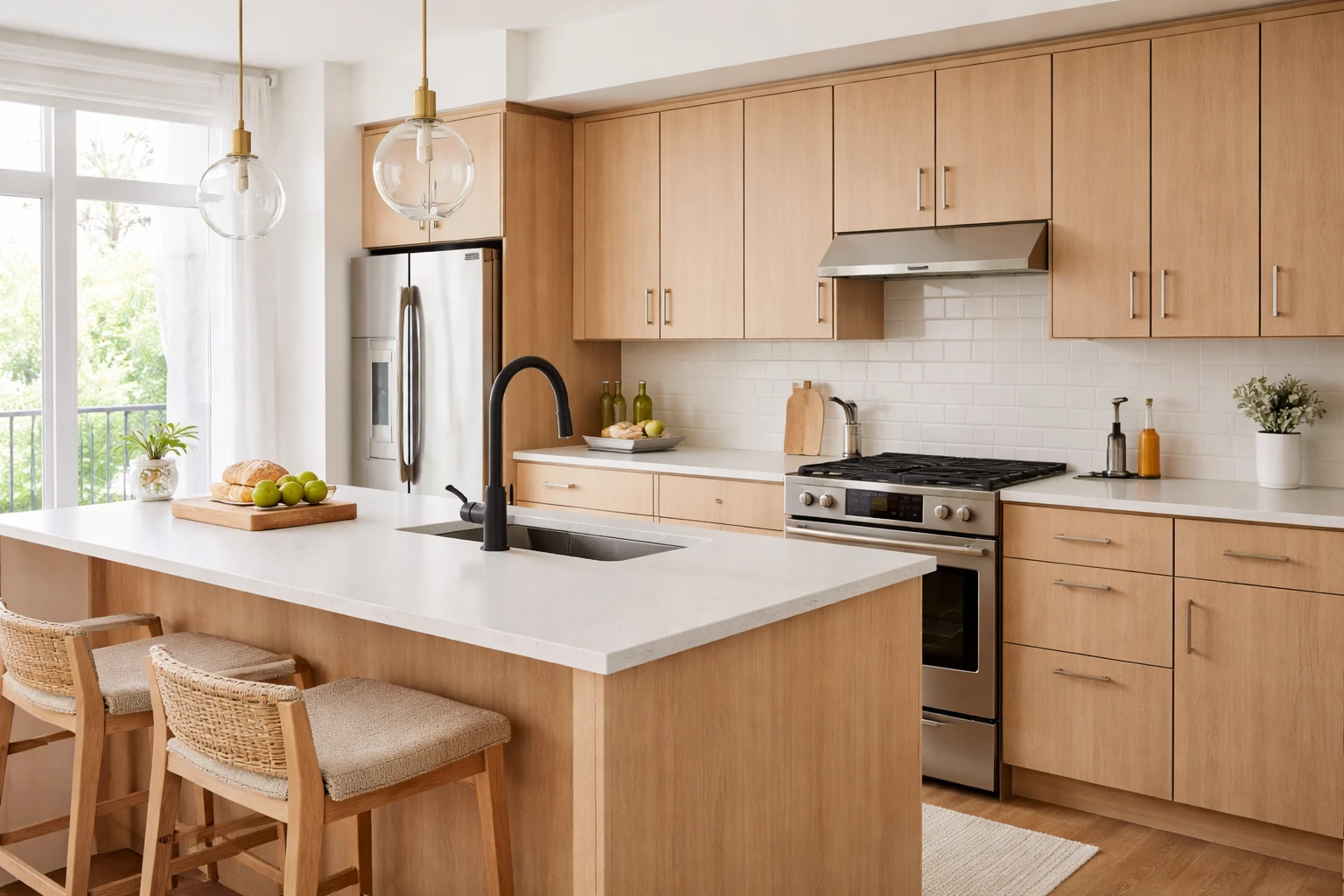

The kitchen often sets the mood for the whole apartment. Finish, function, and first impression all meet in one compact space. A dated cabinet style can drag everything down. A clean countertop line can pull the room together in seconds. Even when the layout stays the same, these surfaces change how the apartment looks and how it works day to day.
That’s why cabinet and countertop choices matter so much in apartment interiors. They affect storage, maintenance, light, color, and visual balance all at once. In a smaller kitchen, those details carry even more weight. The right combination can make the room feel brighter, calmer, and easier to use without chasing trends that wear out fast.
Why the Kitchen Sets the Tone for the Entire Apartment
Some rooms stay contained. The kitchen rarely does. In many apartments, it’s visible from the entry, the dining area, or the living room, which means it shapes the atmosphere of the home almost immediately. Before anyone notices square footage or decor, they usually notice the surfaces. Cabinet fronts, countertop color, hardware, and finish all send a signal.
That signal can feel warm and settled or crisp and current. It can also make the apartment feel older than it is. Heavy wood tones, worn laminate, clashing finishes, or bulky cabinet lines can pull the whole space backward. Clean proportions and well-chosen materials do the opposite. They make the apartment feel more intentional, even when the footprint is modest.
In a compact home, that effect is stronger. There’s less separation between one room and the next, so the kitchen becomes part of the apartment’s overall visual rhythm. A bright countertop can reflect light farther into the room. Slimmer cabinet profiles can make the layout feel less crowded. Softer colors can help the kitchen blend more naturally into nearby spaces.
There’s also the emotional piece. People react to kitchens fast. A cramped, dated setup can make daily routines feel heavier than they need to. A kitchen with smart storage, balanced finishes, and a bit of visual breathing room changes the mood almost immediately. It makes the apartment easier to enjoy.
Cabinets Do More Than Store Things
Cabinets shape the kitchen at eye level, so they carry a lot of visual weight. They influence whether a kitchen feels light or heavy, polished or pieced together, current or overdue for a refresh. Storage matters, of course, but the effect goes far beyond storage.
Door style plays a big role. Flat-front cabinets create a cleaner, quieter look that suits modern apartments well. Shaker cabinets add definition without overwhelming the room. More ornate detailing can work in the right setting, though in a smaller kitchen, it often adds weight the space doesn’t need.
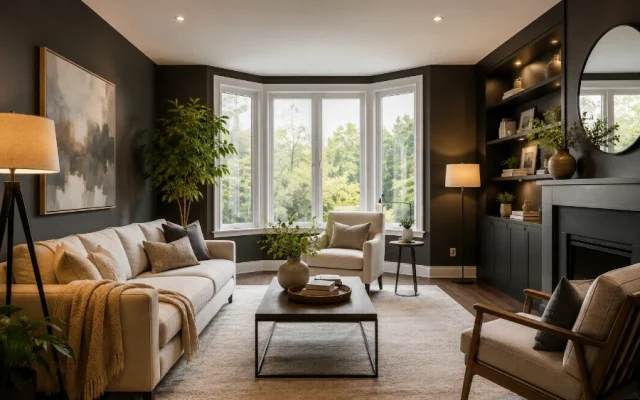
Color matters just as much. Pale finishes can open up a tight footprint and help the room catch more light. Darker cabinets can feel rich and grounded, but they usually work best when the rest of the palette keeps the space from feeling closed in. Even undertones matter. Warm shades feel relaxed. Cooler shades feel sharper and more tailored.
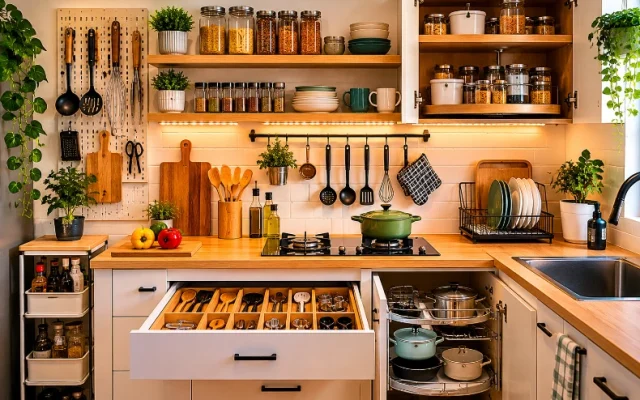
The practical side shows up quickly. Deep drawers can make cookware easier to reach. Better upper cabinet placement can cut down on visual clutter. A thoughtful mix of closed storage and open space can keep the kitchen from feeling chaotic. In an apartment, where every inch has a job to do, that kind of order changes the daily experience in a real way.
For anyone weighing style against durability, suppliers such as Graber Supply often come into the conversation once cabinet construction, finish options, and countertop pairing start to matter as much as color alone.
Hardware deserves a mention too. Pulls and knobs seem small until they start shaping the tone of the whole room. Sleek metal finishes can sharpen the look. Simpler hardware can keep the kitchen feeling relaxed and clean. In compact spaces, small details stand out fast, so restraint usually works in your favor.
Countertops Influence Both Style and Daily Use
Countertops carry the room in a quieter way. Cabinets frame the kitchen, but the countertop is the surface people live on. It catches light, holds daily essentials, and absorbs the wear of ordinary life. In an apartment kitchen, that surface has to look good and hold up.
Material choice changes the mood right away. Quartz often gives a kitchen a clean, polished look with relatively easy upkeep. Granite brings variation and movement, which can make the space feel more layered. Laminate has improved quite a bit and can work well when the finish and color are chosen carefully. The best option depends on how the kitchen is used and how much maintenance makes sense for the space.
Color shifts the feel just as much. A pale countertop can brighten the room and soften heavier cabinetry. Darker surfaces add contrast and can ground the space, though they may show crumbs and water spots more easily. Subtle veining can add dimension without taking over. Busy patterns can feel overwhelming in smaller kitchens, where too much movement on the surface can make the room seem tighter.
Edge profile matters more than people expect. A simple edge usually keeps the kitchen looking current and unfussy. More decorative edges can lean traditional, though they can also make the space feel dated if the rest of the room doesn’t support that look.
Daily use is where countertop decisions prove themselves. Some surfaces are easy to wipe down and move on from. Others demand more attention. That difference matters in real life, especially in kitchens that see heavy use or rushed cleanup. When the layout is tight, even a beautiful countertop can become frustrating if it ignores basic kitchen planning guidelines.
Flow Matters in Small Apartment Kitchens
A small kitchen can work beautifully, but only when the room feels easy to move through. Cabinets and countertops shape that feeling. They affect where you pause, where you prep, where things pile up, and whether the room feels open or boxed in.
Counter space is often the first thing a small kitchen runs short on. Even a little extra room to set down groceries, chop vegetables, or keep a few everyday items can make the space feel easier to use. When the counter is broken up into awkward sections, the kitchen starts to feel cramped and disjointed. A longer, cleaner stretch of surface brings order and helps the room function without looking cluttered.
Cabinet layout matters just as much. Upper cabinets that are too deep or too heavy can close in the room, especially when light is limited or ceilings are low. Base cabinets with well-planned drawers often do more for daily life than simply adding another door or shelf. Access matters. A kitchen feels smoother when the things you use all the time are easy to reach and easy to put away.
Corners, fillers, and awkward gaps can waste valuable space and make a compact kitchen feel tighter than it needs to. In a small layout, bad proportions show up quickly. Better cabinet sizing, cleaner lines, and countertop colors that let the eye move naturally can make the whole kitchen feel more open and settled.
The most successful apartment kitchens usually have a certain restraint. They don’t fight for attention with too many finishes, too much contrast, or too many competing details. They feel settled. The room makes sense at a glance, and that clarity changes how it functions every day.
The Best Upgrades Balance Looks With Longevity
A kitchen can photograph well and still disappoint in daily life. That gap usually shows up in the materials. Finishes that look great for a few months but scratch easily, stain too fast, or fall out of step with the rest of the apartment start to feel like short-term wins.
That doesn’t mean every kitchen needs the most expensive cabinet line or the boldest stone surface. It means the selections should match the way the apartment is actually used. Rental properties usually benefit from finishes that are easy to clean, hard to damage, and flexible enough to work with changing decor. A long-term home leaves more room for personal taste, but the materials still need to hold up. Small design missteps have a way of turning into daily frustrations.
Longevity has a visual side as well. Trend-heavy choices can date a kitchen faster than people expect. Cabinets and countertops usually outlast paint colors, stools, and light fixtures, so they need a little staying power. Clean lines, balanced tones, and materials with a timeless quality tend to hold up better than whatever is having a big moment online.
That matters even more in apartments, where kitchens often sit in plain view of the main living area. Smart material choices usually pay off longest in spaces where renovating an apartment for rental means balancing style, durability, and everyday practicality.
Small Material Choices Can Change the Whole Living Experience
Apartment kitchens rarely have the luxury of excess. Every surface shows. Every finish matters. That’s why smaller decisions carry so much weight. Cabinet sheen, countertop pattern, hardware finish, and the way one surface meets another can all change how the apartment feels on an ordinary day.
A kitchen with too many competing choices can feel restless. One with a steadier hand feels easier to live in. Perfect matching isn’t the goal. Cohesion is. When the cabinets, counters, flooring, and surrounding tones work together, the apartment feels more settled and more complete.
These choices affect habits as well. A bright, orderly kitchen is easier to keep that way. Better countertop space can make meal prep less irritating. Smarter cabinet storage can keep clutter from spilling into the living area. In smaller homes, that ripple effect matters.
That’s why cabinets and countertops deserve more attention than they sometimes get. They shape style, but they also shape comfort, routine, and the overall feel of the space. When those choices are thoughtful, the apartment feels more polished without trying too hard. It feels like a place that works.
Frequently Asked Questions (FAQs)
Cabinets and countertops occupy most of the visual space in a kitchen, so they strongly influence the room’s style, brightness, and overall feel.
Flat-front and Shaker cabinets tend to work well because they create clean lines without making the space feel heavy or crowded.
Yes. Light cabinet finishes reflect more light and help smaller kitchens feel more open and airy.
Quartz, granite, and high-quality laminate are common choices because they balance durability, maintenance, and visual appeal.
Countertops serve as the main work surface for cooking, cleaning, and storage, so durability and easy maintenance are key for everyday use.
Lighter or softly patterned countertops often work best because they brighten the space and avoid making the kitchen feel visually busy.
Yes. Small details like pulls and knobs can shift the kitchen’s style from modern to traditional depending on their finish and shape.
Good flow makes it easier to move, prep food, and store items efficiently, which is especially important in smaller kitchens.
Trend-heavy designs can age quickly, so timeless finishes and balanced color palettes usually provide better long-term appeal.