Water systems in multi-unit buildings operate on a scale and level of complexity far beyond those in single-family homes. Apartments, condominiums, and mixed-use residential buildings depend on interconnected supply lines, vertical risers, shared drainage stacks, pressure regulators, and centralized water heating systems. Because multiple households rely on a unified infrastructure, even minor disruptions can escalate quickly, affecting numerous residents simultaneously.
In these environments, early recognition of system stress is essential. What might be a manageable issue in a detached home can become a structural, financial, and health concern when distributed across multiple units. Understanding when professional intervention is warranted protects both property value and occupant well-being.
Persistent Leaks Affecting Multiple Units
In multi-unit buildings, a small leak rarely remains isolated. Water migrating through shared walls or ceiling cavities can travel beyond its origin point, damaging adjacent units and common areas. Staining on ceilings, damp drywall, or unexplained moisture in neighboring apartments often signals that a leak has moved beyond a single fixture failure.
When such symptoms appear, immediate professional evaluation becomes necessary. Service providers such as Jack’s Plumbing assess not only the visible source but also the surrounding infrastructure to determine whether underlying supply lines or vertical risers are compromised.
Delays in addressing persistent leaks can result in structural deterioration, mold growth, and disputes between unit owners regarding responsibility. Early intervention limits property damage and clarifies the scope of repairs before costs escalate.
Repeated Drain Backups and Stack Blockages
Shared drainage stacks in multi-unit buildings collect wastewater from multiple residences. If a blockage forms within a main stack, symptoms may appear simultaneously in several units. Residents might report slow drains, gurgling toilets, or wastewater backing up into lower-level fixtures.
When more than one unit experiences drainage irregularities, the issue typically extends beyond individual sink traps. Blockages in shared stacks require specialized tools and coordinated access to multiple units. Professional inspection methods such as video camera scoping help identify root intrusion, debris accumulation, or structural misalignment within the drainage network.
Attempting localized fixes without evaluating the shared system often leads to recurring issues and increased disruption.
Fluctuating Water Pressure Across Floors
Multi-story buildings rely on pressure-balancing systems to deliver consistent water flow across varying elevations. Pressure regulators, booster pumps, and balancing valves must operate correctly to ensure equitable distribution. When residents on upper floors experience weak flow while lower floors report excessive pressure, the imbalance indicates systemic irregularity.
Pressure instability can strain pipes, accelerate fixture wear, and compromise appliance connections. In extreme cases, excessive pressure may cause joint failures that lead to leaks behind walls or ceilings.
Professional diagnostics determine whether regulators require recalibration, booster pumps need servicing, or supply lines have narrowed due to corrosion or sediment accumulation.
Centralized Water Heater Failures
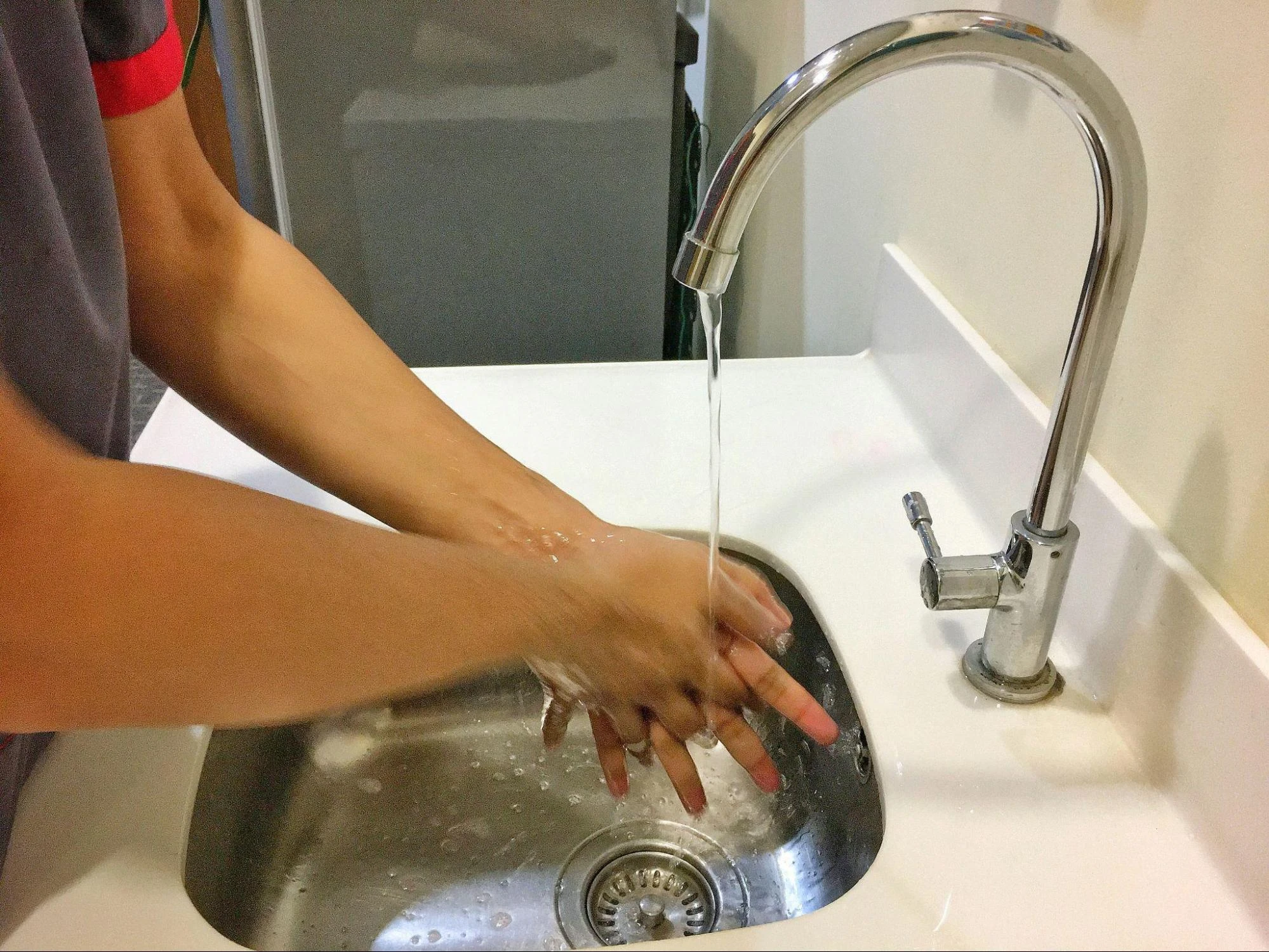
Many multi-unit properties utilize centralized water heating systems. When residents report inconsistent hot water, extended heating delays, or fluctuating temperatures, the issue may lie within shared heating infrastructure rather than individual units.
Sediment buildup in large tanks, failing heating elements, or malfunctioning thermostatic mixing valves can disrupt service building-wide. Because these systems serve multiple households, repair delays multiply inconvenience and increase strain on equipment.
Routine inspection and early servicing of centralized systems prevent abrupt outages and costly emergency replacements.
Hidden Leaks Within Common Infrastructure
Not all water system problems manifest visibly. Hidden leaks within common plumbing chases, slab foundations, or ceiling cavities may remain undetected until significant structural damage occurs. Indicators such as unexplained increases in water bills, persistent humidity in corridors, or moisture near electrical conduits warrant immediate evaluation.
Multi-unit buildings present additional risk because concealed leaks can affect fire-rated assemblies, insulation performance, and shared structural components. Early professional assessment prevents compounding damage and protects compliance with building safety standards.
Sewer Line Complications in Shared Systems
Main sewer connections in multi-unit properties must handle higher volumes than single-family lines. Tree root intrusion, soil shifting, or pipe deterioration can compromise these systems. When lower units experience recurring backups while upper units function normally, the main sewer line may be partially obstructed.
Because excavation or trenchless repair affects shared property, coordinated professional intervention
from an Emergency Trenchless Company becomes necessary. Delayed response increases sanitation risks and can disrupt occupancy across multiple units.
Regulatory and Safety Considerations
Multi-unit buildings must comply with building codes and safety regulations that govern water system integrity. Improper modifications, outdated materials, or non-compliant installations may surface during inspections or insurance reviews.
The U.S. Department of Housing and Urban Development emphasizes that functional plumbing systems are fundamental to habitability standards in residential properties. For property managers and associations, ensuring timely professional evaluation protects both regulatory compliance and insurability.
Ignoring known deficiencies can lead to liability exposure, particularly when water damage affects shared structures or neighboring units.
Coordinated Access and Communication
Unlike detached homes, repairs in multi-unit buildings often require coordinated access to multiple residences. Identifying the source of a leak in a ceiling may involve entering the unit above. Stack replacements may require temporary water shutoffs affecting several households.
Professional plumbing teams experienced in multi-unit environments understand the importance of communication, scheduling, and minimizing disruption. They also evaluate whether temporary containment measures are needed to protect unaffected units during repair.
Clear documentation of findings and repair scope supports transparent communication between property managers, owners, and residents.
Cost Containment Through Early Intervention
In multi-unit settings, the financial implications of delayed repairs multiply quickly. A minor leak affecting one apartment may evolve into structural remediation across several units. Drain stack blockages left unresolved can damage flooring, cabinetry, and electrical systems.
Early professional involvement reduces repair scope and preserves property value. Coordinated inspection programs, routine maintenance, and prompt response to resident reports form the foundation of long-term water system efficiency.
Frequently Asked Questions (FAQs)
If moisture spreads beyond one unit or affects shared walls, ceilings, or common areas, professional evaluation is necessary.
When multiple units experience slow drains or backups, the blockage likely exists in a shared stack that requires specialized equipment.
Yes, inconsistent pressure can strain pipes, damage fixtures, and lead to hidden leaks behind walls or ceilings.
If residents report inconsistent temperatures or delayed hot water, a professional should inspect the shared heating system promptly.
Unexplained increases in water bills, persistent humidity, or moisture near electrical areas may indicate concealed leaks.
Yes, shared sewer lines handle higher volume, and problems often require coordinated professional repair to avoid widespread disruption.
Localized fixes may mask systemic issues, leading to recurring problems and higher long-term repair costs.
Unresolved deficiencies can violate housing and safety standards, potentially affecting insurance coverage and liability.
Repairs often require coordinated access to multiple units and temporary water shutoffs that affect several residents.
Yes, addressing problems early prevents minor issues from escalating into structural damage and multi-unit remediation expenses.