
Somerville is the in-between that feels like its own city: close enough to Boston for a quick commute and close enough to Cambridge for major job hubs, yet often priced a bit below core Boston neighborhoods. For people weighing moving into or out of Somerville, that balance is usually the first thing that stands out when daily life can stay local over time.
A major reason residents stay is walkability. Errands, cafes, parks, and transit stops tend to be within a short walk, which changes how you plan your week and your transportation budget. That pedestrian-friendly layout supports a steady mix of young professionals and families who want city access without giving up a community feel.
Neighborhood identity feels clear here. Davis Square and Union Square anchor clusters of restaurants, arts venues, and small services, so moving a few blocks can change your routine. Recent estimates put median household income around $127,000 to $135,000, reflecting a largely professional population and the demand that follows, including practical needs like a moving company in Somerville MA.
Why Somerville Attracts (and Keeps) Residents
Somerville sits between Boston and Cambridge, offering urban access without full Boston prices. This positioning appeals to young professionals and families seeking a community feel with city convenience, and it explains why so many residents choose to stay long-term.
The walkability mentioned earlier plays a central role in daily satisfaction. Most errands, dining options, and transit connections fall within a short walk, which reduces reliance on cars and keeps routines efficient. That pedestrian-friendly design also fosters the kind of street-level activity that builds neighborhood character over time.
Distinct squares create their own identities within the city. Davis Square and Union Square each offer different mixes of restaurants, shops, and cultural venues, so residents often develop loyalty to their particular corner of Somerville. This variety within a compact area means you can find a neighborhood that matches your pace without leaving the city.
The Real Cost of Living in Somerville
Rent and Housing Prices
Somerville’s cost of living is driven mostly by housing. Rent prices often run high for the size of the unit, although they are typically a bit lower than comparable options in Boston proper.
That tradeoff buys proximity. Many renters accept smaller floor plans and fewer amenities because walkable errands and quick transit access can reduce car ownership costs and time spent commuting.
Rapid development around Union Square and along the Green Line Extension area has also shifted neighborhood pricing. New buildings can raise nearby asking rents, while older stock may lag behind until it is renovated.
Parking, Permits, and Hidden Costs
Street parking looks plentiful on maps, yet competition is common after work hours. Most residents who keep a car need city parking permits, and visitors may face time limits and metered spaces.
Car insurance and garage fees vary, and occasional rideshares can change the math for short local trips.
Other costs add up as well: moving-day parking reservations, winter restrictions, and the occasional need for off-street spaces bundled with rent. Anyone comparing listings, including luxury apartment living in Somerville, should check what is included before assuming a car will fit easily.
Somerville Neighborhoods at a Glance
Davis Square and Union Square
Davis Square feels established, with cafes, small theaters, and steady foot traffic that stays active late. The Red Line makes it one of the easiest Somerville commutes, which is part of why rents often trend higher. Nightlife is present, but it is also a practical hub for errands, gyms, and coworking.
Union Square reads more in transition. New housing and streetscape work tied to the Green Line Extension sit alongside older triple-deckers, studios, and maker spaces. For many, the draw is dining plus rail access that keeps improving year by year.
Assembly Row, Winter Hill, and East Somerville
Assembly Row is the most modern, built around newer apartments, offices, and destination shopping. Orange Line access supports commuters who prefer an amenity-heavy environment and do not mind a less traditional streetscape.
Winter Hill sits just northwest of the big squares and feels more residential, with smaller commercial pockets and a calmer pace. Prices can be more approachable, especially in older buildings, while bus routes still connect to rail transfers.
East Somerville offers strong diversity in food, languages, and housing types, plus quick routes toward downtown Boston. It often appeals to renters prioritizing value and transit options, and listings that publish layouts make it easier to explore available floor plans across neighborhoods.
Getting Around Without a Car
Car-free living is realistic in Somerville because MBTA rail and buses reach most daily destinations. The Red Line at Davis connects quickly into Cambridge and downtown Boston, and the Green Line Extension adds more station options closer to home.
Between stations, public transportation stays practical. Frequent bus routes run along major corridors and help bridge gaps where rail is farther, which matters for groceries, school pickups, and evening plans. Bike lanes, traffic calming, and better crossings also make short trips feel manageable on foot or by bike, not just possible.
Walkability shows up in small routines. Many blocks sit within about 10 minutes of green space, and the city is often described as having 60-plus parks and playgrounds spread through neighborhoods. That density makes it easier to build errands around a walk, then use transit for longer hops. For newcomers, this mix can reduce parking headaches, keep commuting flexible, and still leave access to Boston and Cambridge job centers nearby.
Moving Out of Somerville: What to Plan For
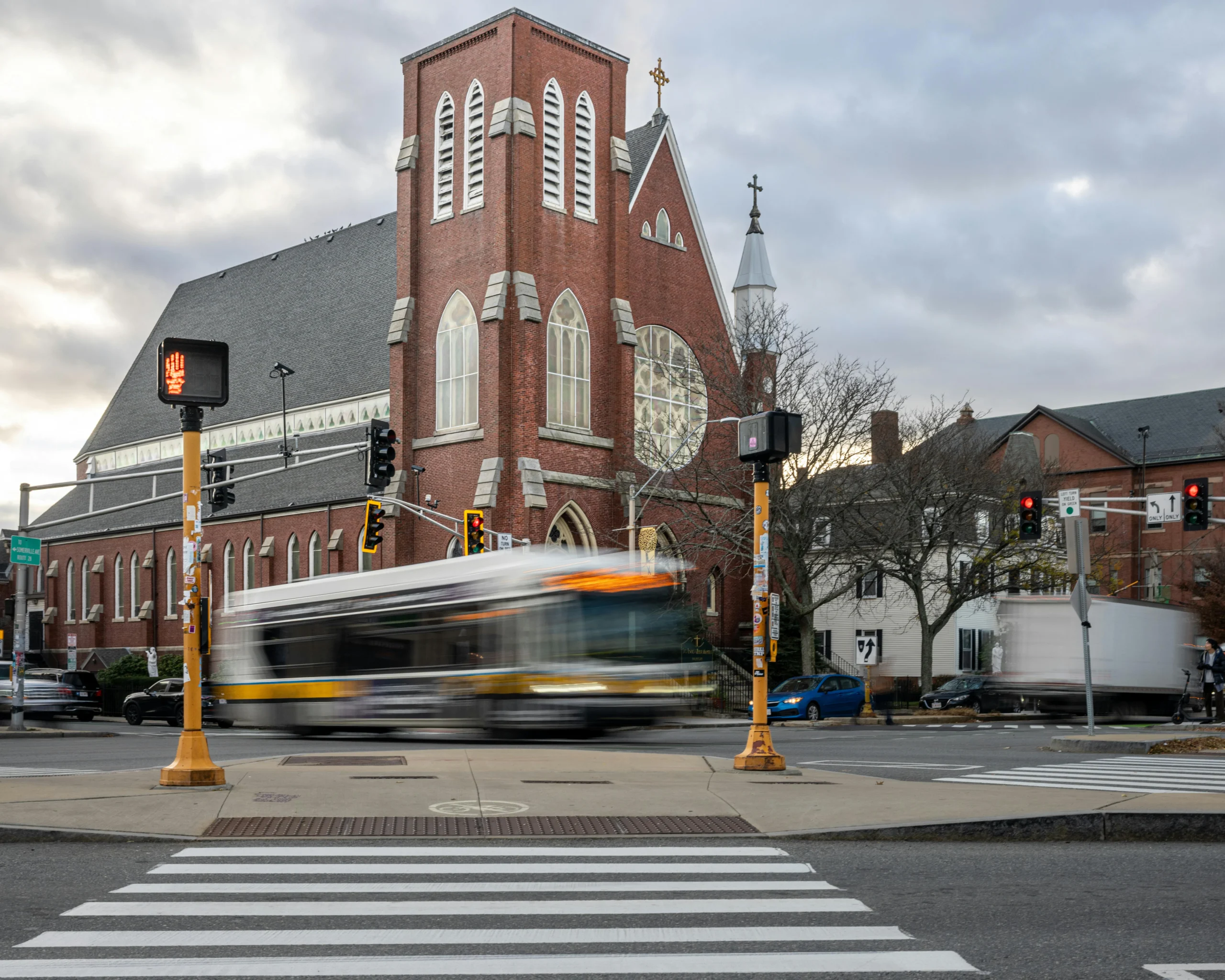
Leaving Somerville can be trickier than arriving, especially if a truck needs curb space on a narrow residential street. Residents typically need a moving truck permit to reserve loading zones, and they may also need temporary parking permits for personal vehicles.
Timing matters considerably. September 1 and many end-of-month weekends are the busiest moving dates in Greater Boston, so availability for elevators, trucks, and curb reservations can tighten quickly. Late August through September also overlaps with student turnover, which can add traffic and double-parked vans.
Large trucks face obstacles as well. Tight turns, one-way blocks, and limited legal stopping space can force longer carries or smaller vehicles. Planning a mid-month move, or choosing a weekday window, often reduces parking conflicts and neighborhood congestion.
Is Somerville Right for You?
Somerville tends to fit people who prize walkability, transit access, and a strong community more than extra square footage or bargain rents. Young professionals often like the quick reach to Boston and Cambridge, while many families appreciate local parks, schools, and the ability to run errands on foot during a typical week.
However, the tradeoffs are real: high housing costs, limited parking, and a denser streetscape that can feel busy. As the neighborhood sections above illustrate, your choice of area matters as much as choosing Somerville itself, since each neighborhood differs in pace and pricing. A clear look at budget, noise tolerance, and routines will show whether the balance works for you.
Frequently Asked Questions (FAQs)
Somerville is usually slightly less expensive than Boston proper, but housing costs are still high relative to space and amenities.
Yes, many residents rely on walking, biking, and MBTA buses and trains for daily errands and commuting.
Davis Square, Union Square, and Assembly Row attract the most interest due to transit access, dining, and amenities.
Street parking can be tight, especially in the evenings, and most residents with cars need city-issued parking permits.
It sits in between, blending Boston’s density with Cambridge’s professional and academic influence.
Moving permits, parking reservations, winter restrictions, and potential off-street parking fees can add to overall costs.
Yes, many families value the parks, walkability, schools, and neighborhood-focused lifestyle, despite smaller housing options.
Moves can be challenging due to narrow streets, permit requirements, and limited curb space, especially during peak months.
Late August through September 1 is the busiest period, with heavy student turnover and limited truck availability.
Somerville works best for people who prioritize transit access, walkable routines, and community over larger living spaces or lower rents.