Rain often seems harmless at first. It slides off the roof and drops to the ground. Still, if water has no clear path, problems can build fast.
Many owners spot the damage too late. They notice stains, damp soil, or mildew near the entry. By then, the issue has often spread further than expected.That is why many owners see urbanseamlessguttersatl.com as part of regular property care. A strong gutter system moves water away from the home before damage starts. It also helps protect tenant comfort, which can shape lease renewals and daily satisfaction.
Why Roof Runoff Becomes a Bigger Problem in Rentals
Water does not need much time to cause trouble. Once rain leaves the roof, it needs a safe path away. If that path fails, the property starts taking the hit.
HUD explains that buildings need a controlled way to move roof water away. That helps prevent moisture problems and damage inside the structure.
Rental homes face extra pressure because owners may not spot early warning signs right away. Overflowing gutters can push water onto siding, windows, and entry areas. Over time, that moisture can sit longer than it should.
This problem often spreads in a chain. Wet soil can affect the area near the foundation. Water near doors can create slippery paths and messy walkways.
That is one reason routine upkeep helps so much. Good drainage supports the same goal as other smart maintenance steps. The same idea shows up in this guide on maintenance essentials for rental properties and apartment communities.
What Owners Often Notice First
These signs usually appear before major damage shows up. They seem small, but they deserve attention.
- dark streaks on siding
- soft soil near the base of the home
- peeling paint around trim
- mildew near doors or windows
- puddles forming after rain
Each clue points to water moving the wrong way. When owners catch those signs early, repairs stay simpler and cheaper.
What Good Gutter Installation Does for a Property
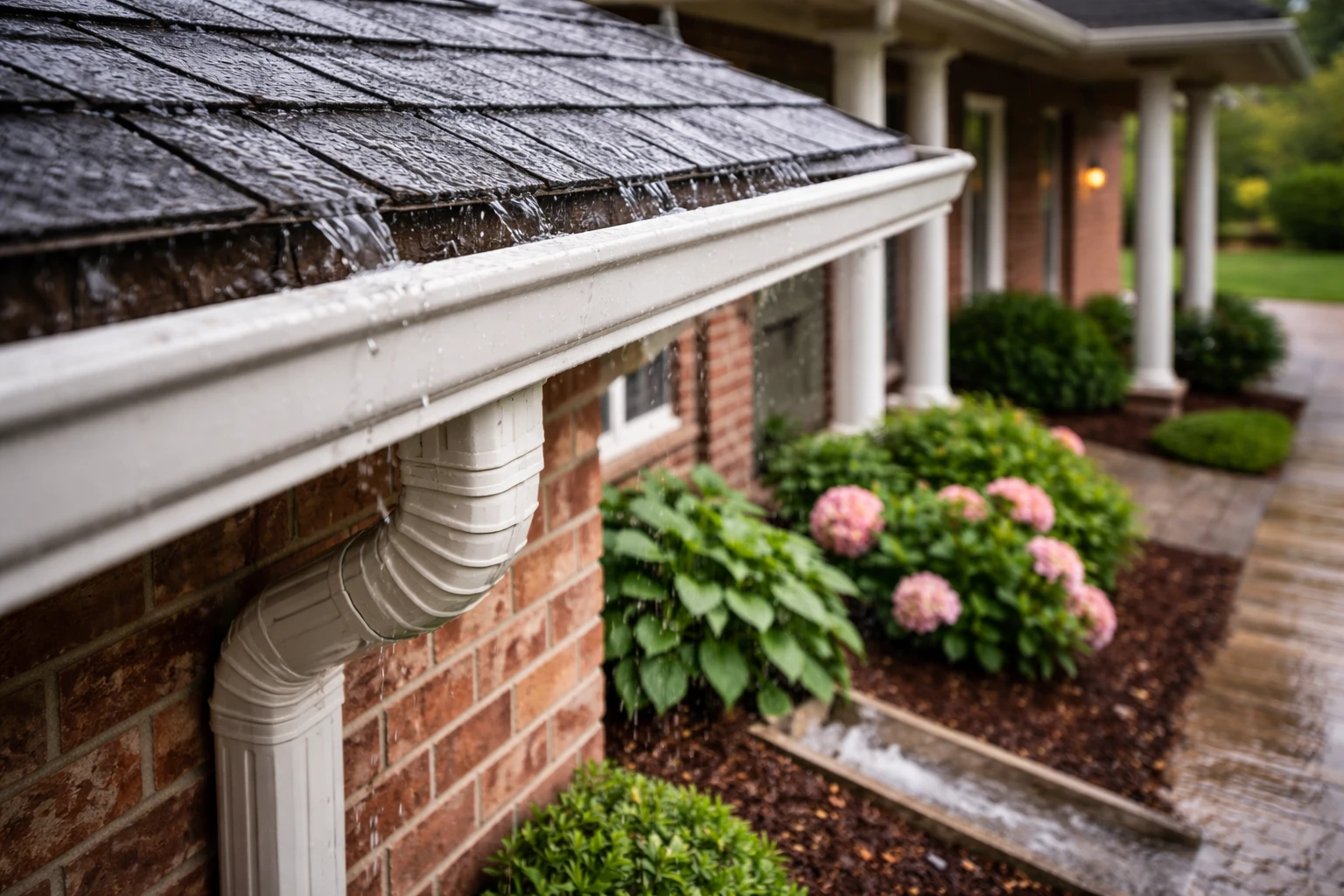
Good gutter installation does more than collect rain. It controls where the water goes next. That helps protect the structure, the yard, and the people living there.
For that to work well, the system needs the right slope and placement. Water should keep moving instead of sitting in one spot. Downspouts also need to send runoff away from the home.
Seamless gutters help because they have fewer joints. Fewer joints often mean fewer places for leaks to start. That can make a real difference during long storms or heavy seasonal rain.
A good system often helps in these ways.
- it reduces splashback on siding and windows
- it lowers pooling near doors and walkways
- it helps protect trim, soffits, and fascia
- it keeps flower beds and soil from washing out
- it reduces wear on surfaces near the foundation
These changes may look minor on the surface. Still, they protect the property in steady and practical ways. They also support the clean, cared-for look renters notice during tours.
That visual side matters too. Overflow marks and drainage stains often signal poor upkeep. Rise touches on that in this piece about signs an apartment building is well maintained.
The Trouble Spots Owners Often Miss
Some owners only think about gutters when they clog. Yet the bigger issue often starts after water leaves the roof. If downspouts drop water too close to the home, the risk stays in place.
Corners usually need more attention. Roof valleys can also carry heavier runoff than flat sections. Those areas can overflow fast during strong rain.
This is where a simple walkaround can help. Owners do not need a long checklist to spot early issues. They just need to know where to look.
Areas Worth Checking After Rain
A quick review after wet weather can reveal a lot. These spots often show the first signs.
- Downspout exits near the foundation
- Corners where two roof lines meet
- Areas under eaves with dark streaks
- Walkways near entry points
- Mulch beds that look washed out
These signs help owners catch small problems before they spread. They also reveal whether the system handles real rainfall well.
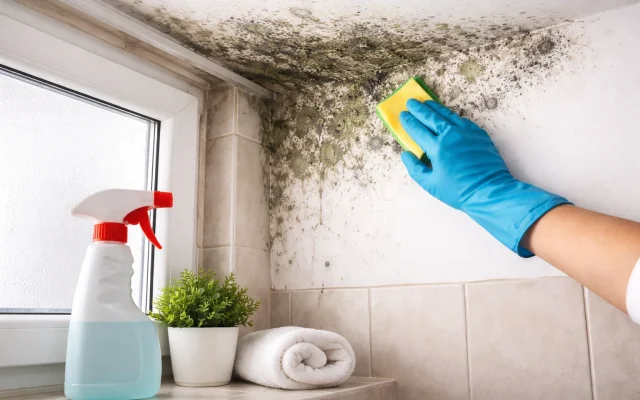
The concern goes beyond appearance. Moisture can also affect indoor conditions when leaks or damp areas stay untreated. CDC explains that mold grows where moisture remains, including around roof and window leaks.
Why Tenants Notice Gutter Problems Even If They Never Mention Gutters
Most tenants will not bring up gutter design. Still, they notice the effects of poor drainage quickly. They see puddles near the entrance, muddy paths, and water dripping where it should not.
Those details shape how people feel about a rental. A home that stays dry feels better cared for. It also feels easier to live in during rainy weeks.
That matters because renters judge the full experience. They do not separate the roof, the walkway, and the walls into different systems. They just notice whether the place feels clean, dry, and well kept.
Poor drainage can also create repeat complaints. Tenants may report wet spots, damp smells, or slippery areas again and again. Even if the fix seems small, the repeated stress wears on the owner and the tenant.
Insurance can help in some cases, but it does not erase the hassle. Claims can take time, and repairs can disrupt daily life. Rise explains that in this article on whether renters insurance will cover water damage.
Why This Affects Leasing Too
Prospective renters notice drainage issues during tours. This happens even more after recent rain.
They often pick up on things like these.
- water stains along roof edges
- soggy ground near the entrance
- mildew smells near doors
- dirty splash marks on siding
These signals can shape first impressions fast. A unit may look great inside, but the outside still tells a story. Clean drainage lines and dry entry areas help that story feel more reassuring.
A Simple Maintenance Habit That Protects Long Term Value
Gutters work best when owners treat them as part of routine upkeep. Installation sets the baseline, but regular checks keep the system working well. That habit often costs less than repairing water damage later.
Owners do not need a complex plan to stay on top of this. A few steady checks each year can go a long way. The goal is to catch movement, blockages, and leaks before they turn into bigger repairs.
This kind of care supports the wider property budget too. Rise makes a related point in this article on why maintenance saves more money than repairs. The article notes that clogged gutters can push water toward the foundation and raise the risk of cracking or settling.
A Practical Routine for Owners
A simple schedule keeps gutter care manageable. It also helps owners stay ahead of storm season.
- check gutters after heavy rain
- clear debris before wetter months
- watch for sagging or loose sections
- look for splash marks near downspouts
- check that water drains away from the home
This routine supports both the building and the rental experience. It protects the structure, helps prevent tenant complaints, and keeps exterior areas safer.
For owners with one rental or several, the lesson stays the same. Water moves fast, and damage can build quietly. A well-fitted gutter system, plus regular checks, can help protect the property for years.
Frequently Asked Questions(FAQs)
Gutter installation directs rainwater away from the structure, preventing damage to the roof, siding, and foundation. It helps maintain both property value and tenant comfort.
Poor drainage can lead to mold growth, foundation damage, peeling paint, and water stains. Over time, these issues can become costly to repair.
Gutters channel water away from the base of the home, reducing soil erosion and preventing water from pooling near the foundation.
Yes, seamless gutters have fewer joints, which reduces the risk of leaks and clogs. This makes them more reliable for long-term property protection.
Landlords should inspect gutters at least twice a year and after heavy rain. Regular checks help catch issues early before they escalate.
Absolutely. Problems like puddles, leaks, and damp areas can frustrate tenants and negatively impact their overall living experience.
Common signs include water stains on siding, pooling water near the foundation, sagging gutters, and mildew around entryways.
Yes, by controlling moisture and directing water away, gutters reduce the conditions that allow mold to grow.
No, routine maintenance is relatively low-cost compared to the expense of repairing water damage or structural issues.
A well-maintained exterior creates a better first impression, helping attract tenants and improve lease renewals.