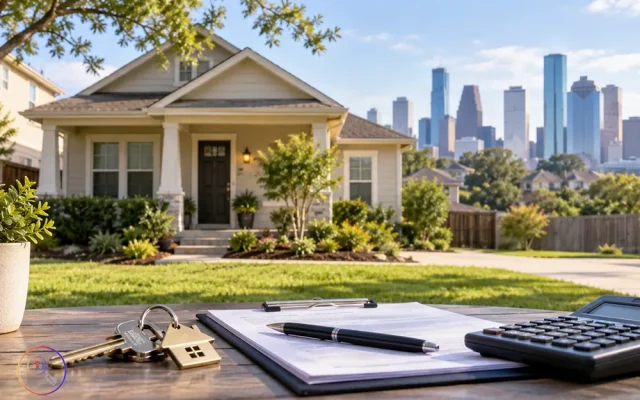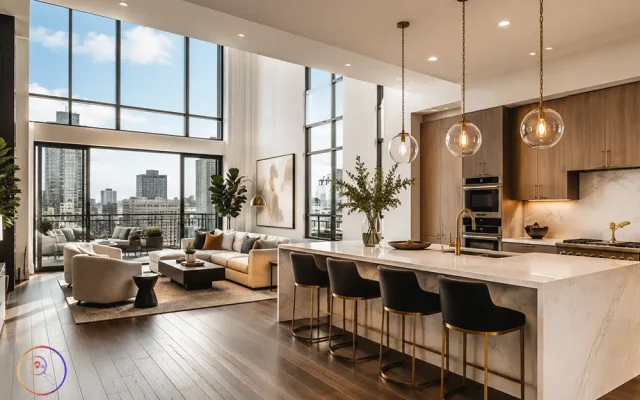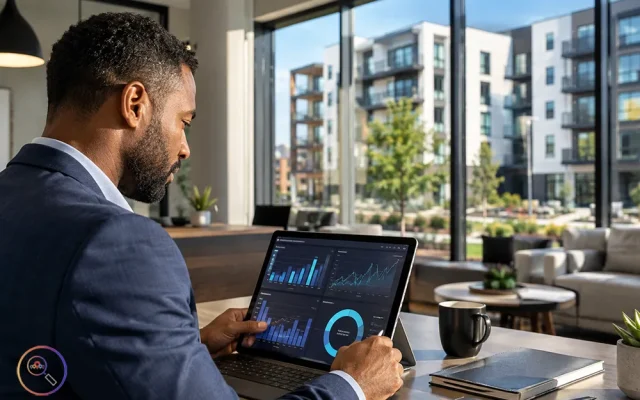

Commercial properties carry a different kind of weight than residential ones. Owners answer to tenants, investors, and sometimes entire boards, which means every upgrade has to justify itself on paper and in practice. The smartest improvements don’t just look good during a walkthrough. They quietly raise rental income, attract better tenants, and push the appraised value higher when it matters most.
What separates a smart investment from a vanity project usually comes down to one thing: does it solve a real problem for the people using the building? Lighting that cuts utility bills, layouts that adapt to changing tenant needs, and amenities that make a property feel premium rather than ordinary. These are the moves that shift a building from average to in demand.
Wellness Amenities That Justify Premium Rates
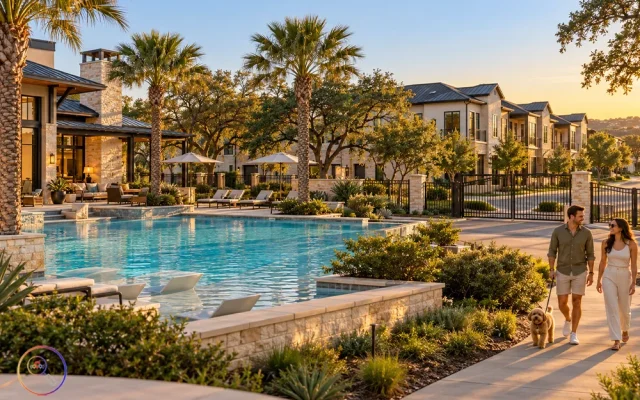
Tenants and guests have started expecting more from commercial spaces, especially in hospitality, multifamily, and mixed-use developments. Wellness-focused features used to be optional extras, but they’ve become the kind of detail people factor into their decision before signing anything. A property that offers something restorative tends to hold attention longer, and longer attention usually translates to longer leases.
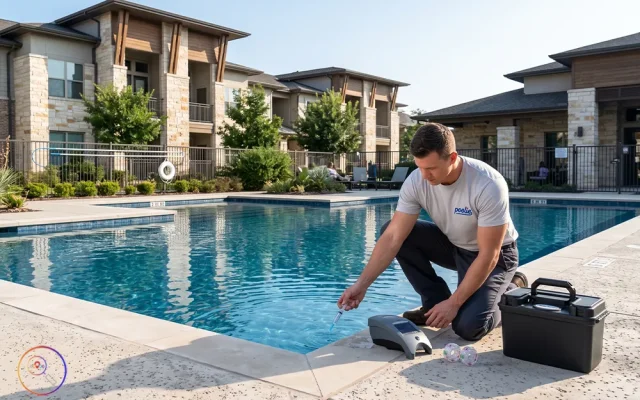
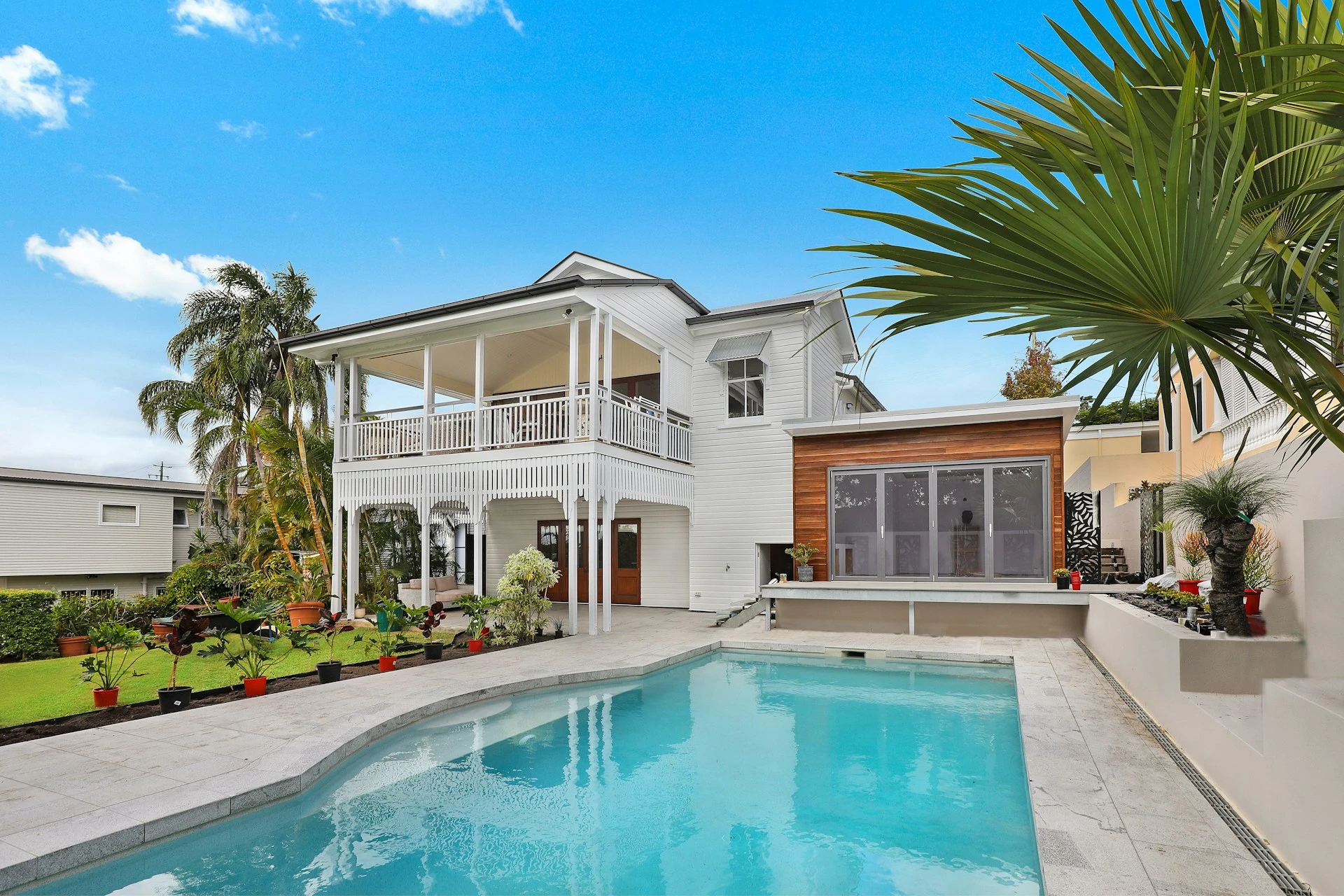
Aquatic features fall squarely into this category, and they pull more weight than most owners realize. Hotels, country clubs, apartment complexes, and corporate retreats all benefit from installations that turn unused outdoor space into something people actually want to spend time in. Pools and spas sit at the top of that list because they create a sense of escape that few other amenities can match, and they tend to anchor the outdoor experience of a property. Getting these specific installations right takes more skill than most owners anticipate, since pool and spa work involves engineering, plumbing, finishes, and safety systems that all have to come together cleanly.
Bringing in an experienced pool and spa builder early in the planning phase makes a real difference, since proper integration with the existing landscape and infrastructure is where these projects usually succeed or fall apart. Done right, the addition becomes a defining feature of the property rather than an afterthought tucked into a back corner.
Energy Systems That Cut Long-Term Costs
Operating expenses eat into net income year after year, so anything that reduces them tends to lift property value automatically. Modern HVAC systems, smart thermostats, and improved insulation pay for themselves through lower utility bills, but they also signal to buyers that the building has been maintained with intention. Appraisers notice these upgrades, and so do tenants who care about predictable monthly costs.
Lighting deserves its own mention here. Switching to efficient fixtures throughout parking areas, common spaces, and offices changes the feel of a property almost immediately. Combined with daylight sensors and motion controls, these systems reduce waste without anyone having to think about them. Solar arrays on rooftops or covered parking structures take this further, especially in regions where sunlight is consistent enough to make the math work.
Exterior Upgrades That Shape First Impressions
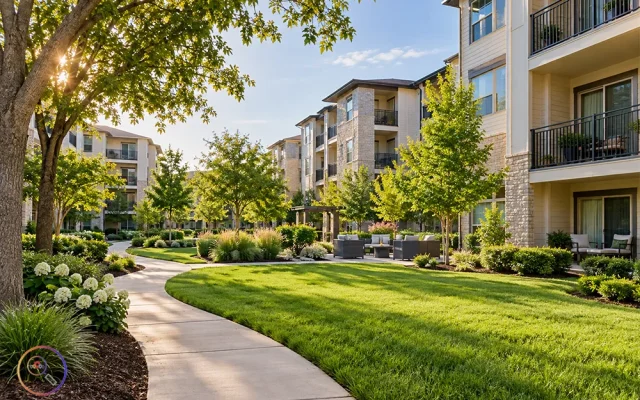
A commercial building gets judged from the curb before anyone walks through the door. Fresh paint, updated signage, well kept landscaping, and clean walkways do more for perceived value than most interior renovations. These are the details that make prospective tenants slow down instead of driving past.
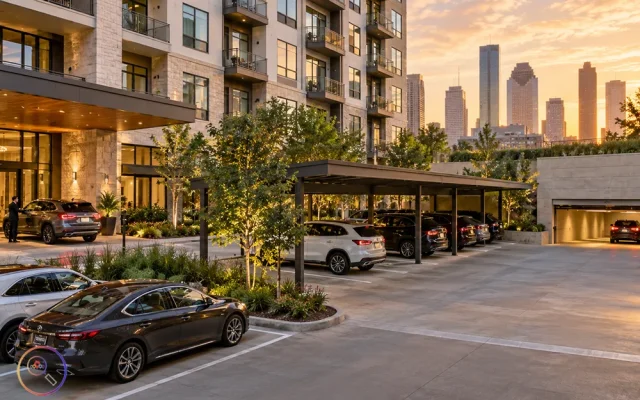
Parking lot resurfacing falls into the same category. Cracked asphalt and faded line markings suggest neglect, even when the building itself is in good shape. Repaving, restriping, and improving lighting in these areas sends a quiet message that the property is taken seriously. Outdoor seating areas, shade structures, and small green spaces give people a reason to linger, which matters more than ever in retail and office settings.
Flexible Interior Layouts
Commercial real estate has shifted toward adaptability. Tenants want spaces that can grow, shrink, or change purpose without requiring a full renovation every few years. Movable partitions, modular furniture systems, and open floor plates make a building easier to lease because they appeal to a wider range of potential occupants.
Office properties especially benefit from this flexibility. Hybrid work has changed what tenants need from their leased space, and buildings that accommodate collaboration zones, quiet rooms, and shared amenities tend to lease faster. Retail spaces gain from similar thinking, particularly when they allow for pop up tenants or seasonal reconfigurations.
Technology Infrastructure
Reliable connectivity has become as important as plumbing and electricity. Buildings with strong fiber backbones, distributed antenna systems, and smart access controls command higher rents because they remove friction for tenants who depend on uptime. This applies to medical offices, coworking spaces, retail, and logistics facilities equally.
Smart building management systems pull all of this together. Sensors that monitor air quality, occupancy, and energy use give owners actionable data while making the property feel modern. Access control systems that use mobile credentials instead of physical keys reduce administrative work and improve security at the same time.
Roofing and Structural Investments
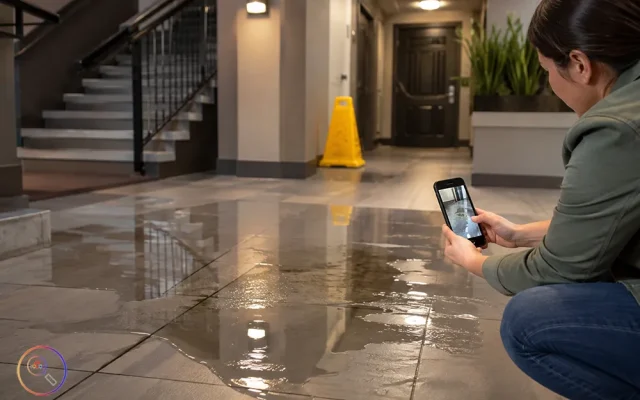
Big ticket items like roofing rarely excite anyone, but they protect everything else. A failing roof can damage interiors, disrupt tenants, and create liability issues that erase years of careful upgrades. Replacing or upgrading a roof before problems start is one of the most reliable ways to preserve value, and it gives buyers fewer reasons to negotiate the price down.
Structural improvements such as seismic retrofits, foundation repairs, and waterproofing work in similar ways. They aren’t visible, but they show up in inspection reports and influence how lenders and buyers evaluate the property.
Accessibility and Compliance Improvements
Bringing a property up to current accessibility standards expands its potential tenant base while reducing legal risk. Ramps, accessible restrooms, automatic doors, and updated signage matter to a growing share of the population, and many tenants now require these features as part of their own compliance obligations.
Commercial property value isn’t built through one big move. It comes from layering thoughtful upgrades that compound over time, each one adding something measurable to how the building performs and how it’s perceived. Owners who treat improvements as part of an ongoing strategy rather than reactive fixes tend to see the strongest returns when the market eventually asks them to prove what their property is worth.
Helpful Finds for Landlords and Investors
Owning or managing rental property is a business. These are the tools that pay for themselves:
- The Book on Managing Rental Properties – the standard guide for small landlords.
- Keypad Deadbolt – rekey between tenants in seconds.
- Smoke & CO Detector (2-Pack) – code compliance made simple.
- Property Inspection Checklist Pad – document move-in and move-out condition.
Rise Apartments is a participant in the Amazon Services LLC Associates Program. As an Amazon Associate we earn from qualifying purchases made through the links above, at no extra cost to you.
Frequently Asked Questions (FAQs)
Improvements that reduce operating costs, enhance tenant experience, and increase flexibility—like energy systems, modern layouts, and amenities—deliver the strongest returns.
Yes, they attract higher-quality tenants and can justify premium rents, especially in hospitality, multifamily, and mixed-use properties.
They lower long-term operating costs, which increases net operating income and makes the property more attractive to buyers and appraisers.
Absolutely, curb appeal influences first impressions and can directly affect leasing speed and perceived value.
They allow tenants to adapt spaces without major renovations, making the property appealing to a wider range of businesses.
Yes, reliable connectivity and smart systems are expected by modern tenants and can directly impact rental rates and occupancy.
It depends on the material, but proactive replacement before failure helps avoid costly damage and strengthens property value during inspections.
Yes, well-maintained parking areas signal professionalism and care, improving tenant perception and overall property appeal.
Improving accessibility expands your tenant pool and reduces legal risks, making the property more marketable and compliant.
A phased, strategic approach is usually better, allowing improvements to compound in value while managing costs effectively.