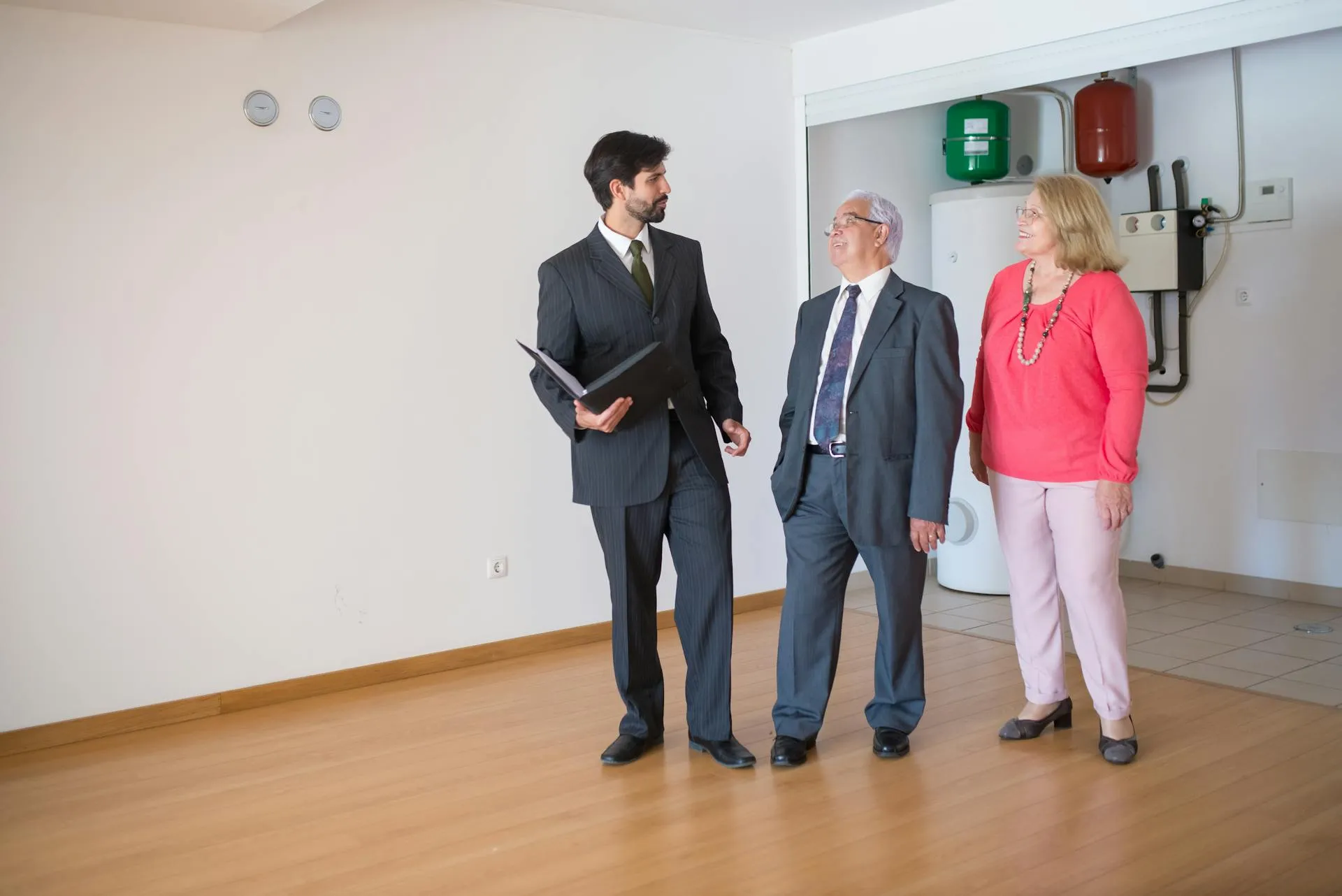
Looking for an apartment means more than checking rent prices. Safety should top your list before you even think about granite countertops or stainless steel appliances.
Most people tour apartments and fall in love with the view. They sign leases without checking basic security features. That’s a mistake you don’t want to make.
Check Building Security Features First
Walk around the property before your official tour starts. Notice everything. Broken gates, burnt-out lights, and sketchy parking areas tell you plenty about management priorities.
Entry Systems and Access Control
Good buildings use key fobs or access codes to control who gets inside. These systems work great when people actually use them. Watch how residents enter during your visit.
Some tenants prop doors open or let strangers follow them inside. That defeats the whole purpose of expensive security systems. Pay attention to these patterns.
Security cameras need to actually work, not just sit there looking official. Ask if footage gets monitored or just recorded. There’s a big difference between the two.
Lighting and Visibility
Drive by your potential apartment at night before you commit. Dark parking lots create problems. Poorly lit walkways make you an easy target.
Management should replace broken bulbs fast. A week-old maintenance request for exterior lighting shows they don’t prioritize tenant safety. That’s your cue to keep looking.
Evaluate Emergency Response Systems
Emergency preparedness matters for everyone, but especially for older adults living alone. Modern buildings offer emergency call systems and medical alert options. These features can save lives.
Seniors who want to stay independent need solid safety backup plans. Technology helps fill that gap. A gps tracker for seniors in Canada provides location tracking and emergency communication in one device.
Ask property managers direct questions about emergency protocols. How fast do they respond to urgent situations? What happens if someone needs medical help at 2 AM? Vague answers mean they haven’t thought this through.
Some complexes partner with medical alert companies. Others install emergency pull cords in units. Find out what’s actually available versus what’s just marketing talk.
Research Neighborhood Safety Data
Property managers won’t hand you crime statistics during your tour. You need to dig up this information yourself. The FBI’s Uniform Crime Reporting database shows you real numbers.
Search your target address and pull up the last year of data. Compare it to other neighborhoods on your list. Some areas look fine during daytime tours but have serious problems after dark.
Local police websites publish crime maps with recent incidents. These maps break down everything by type and location. Three burglaries on one block in six months tells you something important.
Visit the neighborhood multiple times on different days. Saturday night reveals a totally different vibe than Tuesday morning. Talk to people who actually live there already.
Current residents give you the real story. They know which streets to avoid and when problems typically happen. Listen to what they say and don’t say.
Assess Accessibility and Mobility Features
Safety looks different depending on your age and physical abilities. A third-floor walkup might work fine now but creates problems later. Think ahead about your actual needs.
Essential Accessibility Elements
Ground floor units eliminate stair risks completely. No steps means no falls. Elevators help with upper floors but they break down sometimes.
Ask about backup power for elevators during outages. Getting trapped isn’t fun. Emergency stairwell lighting matters more than most people realize.
Wide doorways accommodate wheelchairs and walkers without creating tight squeezes. Accessible parking near entrances cuts down walking distances. Ramps beat stairs every single time for people with mobility issues.
Bathroom and Kitchen Safety
Bathrooms cause more falls than any other room in the house. Grab bars prevent nasty accidents in wet spaces. Non-slip flooring adds another layer of protection.
The National Institute on Aging tracks fall prevention research. Their data shows simple modifications cut injury rates dramatically. These aren’t just suggestions for older folks either.
Good lighting prevents accidents across all age groups. Motion sensors work great in hallways for nighttime bathroom trips. Lever handles beat round knobs if you have arthritis or carry groceries.
Review Communication and Monitoring Options
How fast does management respond to problems? That answer matters more than their friendly tour guide personality. Urgent repairs should happen within hours, not next week.
Multiple ways to report issues means you’re covered regardless of the situation. Some places use tenant portals. Others stick with phone calls and email. Both work fine if someone actually responds.
Smart locks and security cameras let you check your apartment from anywhere. Video doorbells show who’s at your door before you open it. Properties that support these installations care about modern security needs.
Test the communication system before signing anything. Send a maintenance request about something minor. See how long they take to respond and fix it.
Your Safety Decision Framework
Create a simple checklist based on what matters most to you. A single parent needs different features than a college student or retiree. Your situation determines your priorities.
Request recent inspection reports from the property. Health violations and fire code issues show up in official records. Clean inspections mean management stays on top of building maintenance.
Read those reports carefully. Repeated violations for the same problems indicate management doesn’t care. They just want to pass inspections with minimum effort.
Your gut instinct counts for something real. Feeling uncomfortable during tours means something triggered your internal alarm system. Don’t ignore that feeling just because the apartment has nice appliances.
Safe housing protects you physically and gives you peace of mind. Both matter equally. You spend too much time at home to settle for a place that makes you nervous.
Frequently Asked Questions (FAQs)
Start with basic building security like controlled entry systems, working locks, and visible maintenance of gates and doors.
Night visits reveal poor lighting, unsafe parking areas, and neighborhood activity you won’t notice during daytime tours.
Only if they’re functional and monitored—cameras that just record footage without oversight offer limited protection.
Look for quick responses to maintenance issues, especially lighting or security repairs, and clear answers to safety questions.
Ask about emergency call systems, after-hours response procedures, and partnerships with medical alert or emergency services.
Use FBI crime data, local police crime maps, and recent incident reports to compare neighborhoods objectively.
Features like elevators, ramps, wide doorways, and ground-floor units reduce fall risks and improve long-term livability.
Bathrooms are the most dangerous due to slips and falls, making grab bars, non-slip flooring, and good lighting essential.
Fast, reliable communication is critical—emergencies and urgent repairs require immediate action, not delayed responses.
Yes—feeling uneasy during a tour often signals real safety issues, even if the apartment looks appealing on the surface.