
Making the mistake that you should renovate your entire house before putting it on the market is one of the more costly property myths. On the one hand, there are undoubtedly some repairs that are sale, helpers. On the other hand, enormous amounts of money are being spent on improvements that either don’t increase the price or don’t come close to giving back what they cost. Knowing which repairs are important, which are not, and when not doing any repairs at all is actually the wiser choice can save sellers a lot of time, hassle, and money.
It is not the math that is complicated if one grasps the essence of the rule: a renovation is justified going into a sale if the payback of a higher price, quicker closing, or reduced buyer negotiation power from the investment by far surpasses the cost of it. Most significant changes in the property do not belong to this category. A good number of cosmetic updates do not either, depending on the location of your home and the type of buyers in the market. The fixes that normally are profitable are very personal, pinpointed in nature, and often cheaper than the sellers think.
In order to get it right, one has to see the price from the perspective of the buyer and the deal from the perspective of the negotiator rather than the homeowner who wishes to make the house perfect before permitting anyone to have a look at it.
Know the Difference Between Deal-Killers and Cosmetic Issues
The key difference in deciding about repair before selling lies primarily in whether the issues are such that they would kill the deal or prevent financing or are simply cosmetic. Those that kill a deal are considerations that make buyers walk away, lead lenders to refuse financing, or provide buyers with legal leverage to force a renegotiation or exit the contract after the inspection. Cosmetic matters influence a buyer’s emotional response and the initial offer price, but typically, they don’t stop transactions.
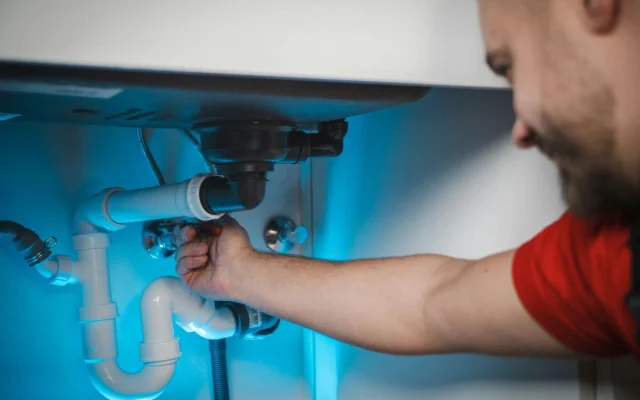
Structural faults, leaking roofs, major water seepage, electrical systems constituting safety hazards, plumbing not working, and HVAC systems not functioning properly are some examples of that category of deal-killers. Such problems will feature in a home inspection report; in most cases, they can affect a buyer’s ability to get financing for the property, and they give buyers solid reasons to renegotiate fiercely or simply leave. If you fall under this group, then it is best that you either fix the problems, include them when setting the price, or get a buyer who will purchase the property with full knowledge of the issues.
The Repairs That Actually Improve Your Net Proceeds
If you are going to spend money before listing, then do it by repairing only those things that were some of the issues buyers might have noticed during a showing or inspection rather than doing complete renovations. Painting the whole interior of the house in neutral colors is always one of the highest return pre-sale investments it is relatively cheap, vastly improves how a home photographs and shows, and gets rid of the distraction of bright or old-fashioned colors that make buyers mentally add the cost of renovation. Professional cleaning, which includes carpet cleaning, window washing, and deep cleaning of kitchens and bathrooms, costs quite a bit less and has a great impact on how buyers perceive the property.
Curb appeal repairs and improvements return well because they make the crucial first impression. An overgrown garden trimmed back, a painted or replaced front door, clean gutters, and a pressure-washed driveway and walkway change buyers’ feelings before they’ve even come inside. These are usually inexpensive items that significantly improve the quantity of showing traffic and initial offer quality.
Using Inspections Strategically
One of the most clever things a seller can do is to have a pre-listing inspection done before they put their house on the market. The inspection will only be a few hundred dollars and will give you a clear view of what a buyer’s inspector is likely to find which means you can do away with the most nerve-racking part of a sale happening in a traditional way i.e. the uncertainty of waiting to see what the inspection report will produce and then negotiating under time pressure.
With a pre-listing inspection report, you can be very purposeful in your decisions on each item instead of being all over the place. There will be some things that you will be willing to fix because the cost is low and if the item is present on the inspection report, buyers will get excessive negotiating leverage. For others, you will decide to disclose and price into the sale. That kind of control over the process is very valuable and it keeps you from having a situation where a buyer’s inspector uncovers something very significant that leads to a complete renegotiation when you are already emotionally committed to the sale.
When Skipping Repairs Entirely Is the Right Move
One may find situations in reality when the best financial and practical decision is to skip repairing your property completely and sell it in its current condition to a buyer who has the necessary skills and equipment to renovate it. This is not a mistake, it is a legitimate strategy that can give sellers more net income after carrying costs, renovation expenses, time, and stress than a traditionally prepared sale would.
Homes that require major repairs in different systems can use renovation as a way of investing large amounts of money, spending months on project management, contractor coordination, and facing the real risk of cost overruns and additional discoveries once the walls are opened. The price of a fully renovated home over an as, is sale usually does not justify all of that, especially when you consider the carrying costs of holding the property through a multi-month renovation and traditional sale process.
For sellers who need to move quickly job relocation, estate situations, financial pressure, divorce the timeline of a traditional prepared sale simply doesn’t work. Cash home buyers in Milwaukee and similar markets purchase properties in as-is condition, close on the seller’s timeline without financing contingencies, and eliminate the repair, preparation, and marketing phases of a traditional sale entirely. The price reflects the property’s condition, but the total picture no repair costs, no agent commissions, no extended carrying costs, no uncertainty often produces a comparable or better net outcome than the traditional path.
Making the Decision That Fits Your Situation
The number one mistake sellers make is to assume that the more they prepare their home, the better the outcome they will get. Sometimes this is true in strong markets, for properties where the renovation returns are high, for sellers who have the capital and time to execute well. The blanket assumption results in unnecessary expenditure in many cases where a more focused or different approach would have been more beneficial to the seller.
Firstly, get an objective assessment of your home’s condition either through a pre-listing inspection or a no-nonsense walkthrough with an agent or investor who will tell you what they actually see rather than what you want to hear. Then calculate the realistic return from repairs against the cost and time that they will require. This kind of analysis generally reveals the right route with targeted cosmetic improvements, fixing the major issues that turn away buyers, or selling as-is to a buyer who is willing to take the property in its current condition. A perfect house is not the goal, the best outcome for your individual situation, timeline, and financial reality is.
Frequently Asked Questions (FAQs)
No, full renovations rarely deliver a strong return before a sale. Most sellers benefit more from targeted, high-impact updates.
Structural issues, roof leaks, major water damage, unsafe electrical systems, and non-functioning HVAC units can derail financing or negotiations.
Minor cosmetic updates can help with presentation, but they usually don’t stop a sale if left untouched.
Neutral interior paint, deep professional cleaning, and basic curb appeal improvements often deliver strong results at low cost.
First impressions shape buyer interest and offer strength, so simple exterior touch-ups can increase showing traffic and confidence.
It’s not mandatory, but it can reduce surprises and give sellers more control during negotiations.
Selling as-is works well when repair costs are high, timelines are tight, or the property needs major system upgrades.
Not always, but visible inspection issues often give buyers leverage to negotiate price reductions or credits.
Major remodels rarely return their full cost unless the home is significantly outdated in a competitive market.
Think like a buyer and negotiator, not a perfectionist homeowner—focus on return, not emotional attachment.