Houston heat gets attention, but humidity does more damage inside your home. The air in this city often holds high moisture for much of the year. That moisture moves through your HVAC system and into your ductwork every day.
Houston humidity can cause moisture buildup in your air ducts, which can lead to mold growth, poor airflow, higher energy bills, and lower indoor air quality. As a result, you may notice musty smells, more dust, or rooms that feel less comfortable. In addition, high outdoor pollution levels can mix with damp ducts and make indoor air worse.
You need to understand how this moisture affects your ductwork and what you can do about it. With the right steps, you can protect your air ducts, control humidity, and keep the air in your home cleaner and healthier.
Impact of Houston Humidity on Air Ducts and Indoor Air Quality
Houston’s high humidity affects more than comfort. It adds moisture to your ductwork, raises mold risk, reduces HVAC output, and increases allergens in the air you breathe.
How Humidity Enters Air Ducts
Houston often records high humidity levels for much of the year. As a result, moist outdoor air enters your home through small gaps around doors, windows, and attic spaces. Your HVAC system then pulls that damp air into the return ducts.
Condensation forms inside ducts if warm, moist air meets cold metal surfaces. This often happens during long AC cycles in summer. Poor insulation around ductwork can also allow humid attic air to seep in.
Leaks at duct joints add another entry point. Even small cracks let humid air collect inside the system. Over time, moisture settles on dust and debris that line the ducts.
For this reason, many homeowners review sources like https://qualityairductcleaninghouston.com/ to understand better how moisture affects duct systems and indoor air quality.
Risks of Mold and Bacterial Growth
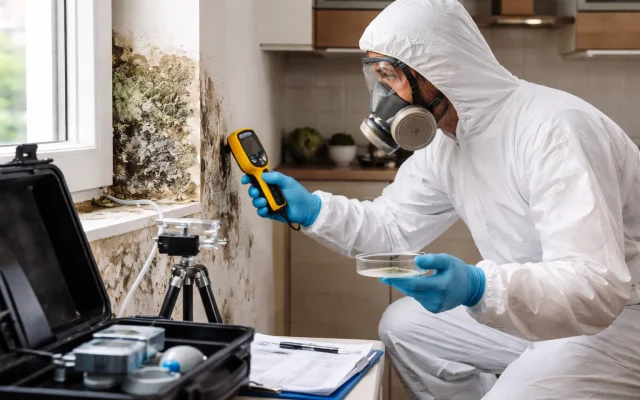
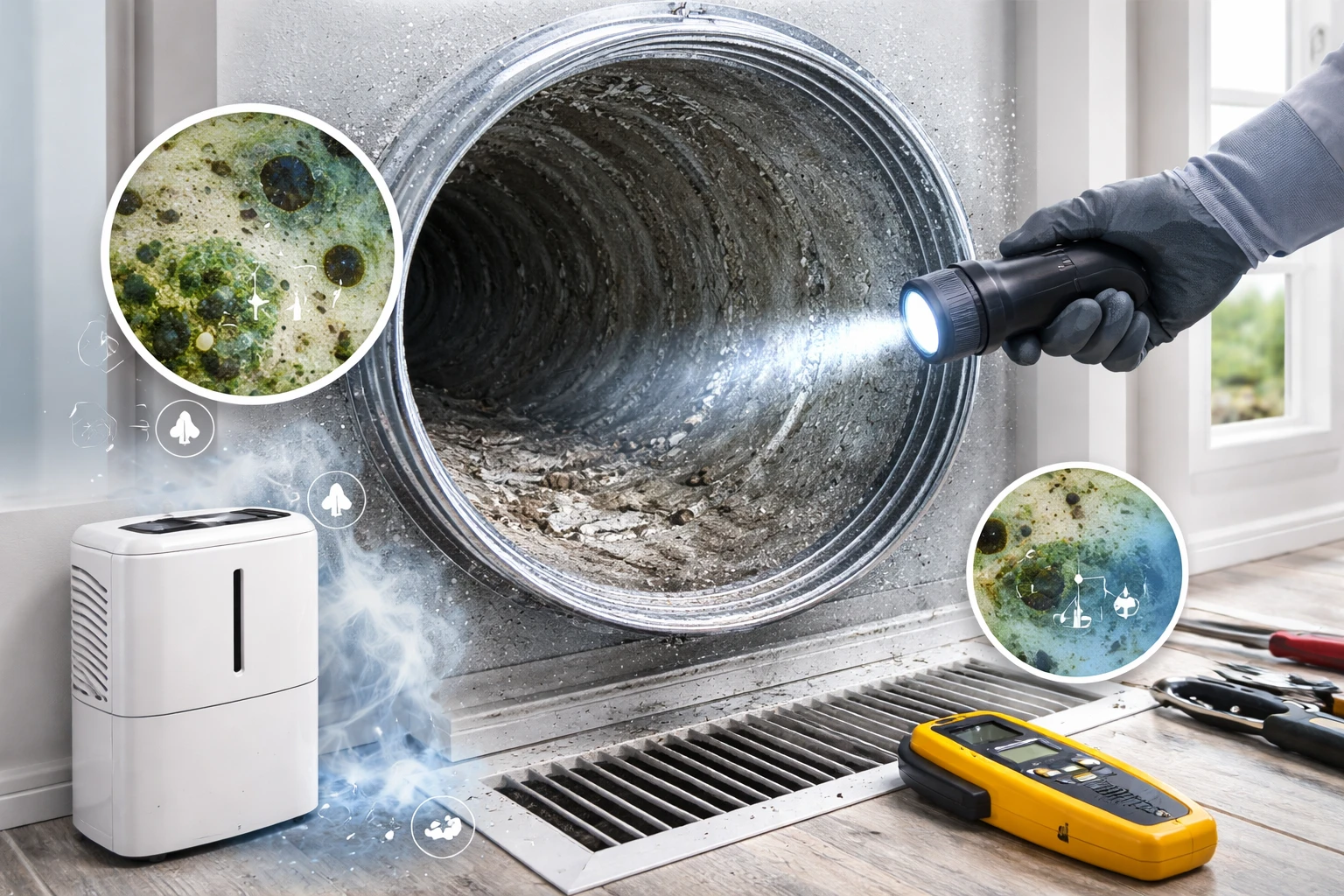
Moisture inside ductwork creates the right conditions for mold. Mold spores already exist in the air. Once they land on damp dust inside a duct, they can grow and spread through the system.
You may notice musty odors from vents. In some cases, you may see dark spots near vent covers. Mold growth inside ducts can lower indoor air quality and irritate your lungs.
Bacteria also multiply in damp areas. As air moves through the ducts, it can carry these particles into living spaces. People with asthma or allergies may experience worse symptoms as a result.
Regular inspection and cleaning reduce buildup. Dry, sealed ductwork limits the chance of mold growth.
Effects on HVAC Efficiency
Humidity not only affects air quality. It also affects how well your HVAC system works.
Your AC must remove both heat and moisture from the air. High humidity forces the system to run longer to reach the set temperature. As a result, energy use often rises.
Condensation inside ducts can also damage insulation. Wet insulation loses its ability to hold temperature. This leads to uneven cooling in different rooms.
Leaky ducts add to the problem. Moist air enters the system, and cooled air escapes into unconditioned spaces. Over time, this strain can shorten equipment life and increase repair costs.
Influence on Allergen Levels
Houston ranks among cities with high ozone and pollution levels. In addition, humidity increases dust mite activity inside homes. Dust mites thrive in moist environments, especially in soft materials and duct debris.
High moisture levels also cause dust to clump and stick inside ducts. Each time the system runs, small particles can break free and circulate through vents.
You may notice more sneezing, itchy eyes, or throat irritation. Poor indoor air quality often shows up through these symptoms.
Professional air duct cleaning services can remove built-up dust and debris from the system. Clean, dry ducts help reduce airborne allergens and support healthier indoor air.
Solutions to Protect Air Ducts and Improve Indoor Air Quality
High humidity in Houston can damage ductwork and lower the quality of the air you breathe. You can control moisture, keep ducts clean, and use better filters to protect your system and your health.
Choosing the Right Dehumidification Strategies
Houston’s climate brings long periods of high humidity, so your HVAC system must manage more than just temperature. If your system does not remove enough moisture, damp air can settle inside ducts and support mold growth.
You can install a whole-home dehumidifier that works with your HVAC system. This unit pulls excess moisture from the air before it moves through your ducts. As a result, you reduce the chance of condensation inside metal or flexible ductwork.
In some homes, a variable-speed air conditioner also helps. It runs at lower speeds for longer cycles, which removes more moisture from the air. In addition, you should seal duct leaks. Leaks pull humid air from attics or crawl spaces into your system.
Focus on solutions that match your home size and layout. A system that is too large will cool fast but leave moisture behind.
Importance of Routine Duct Maintenance
Humidity can mix with dust and debris inside your ducts. Over time, this buildup can restrict airflow and spread particles through your home.
You should schedule duct inspections every few years, or sooner if you notice musty odors or excess dust. A professional can check for mold, loose connections, and damaged insulation. Early repairs prevent larger issues later.
You also need regular HVAC service. A clean evaporator coil and drain line allow proper moisture removal. If the drain line clogs, water can back up and raise humidity inside the system.
Replace damaged duct sections right away. Crushed or torn ducts allow humid air to enter and reduce system efficiency. Routine care keeps air movement steady and helps you maintain better indoor air.
Upgrading Filtration Systems
Standard one-inch filters may not trap smaller particles such as pollen, mold spores, and fine dust. In Houston, these pollutants often rise during humid months.
You can install a higher MERV-rated filter that fits your system. Many homes can handle a MERV 8 to MERV 13 filter, but you should confirm that your HVAC system can support the added resistance. A stronger filter can capture more airborne particles before they enter your ducts.
In addition, you may add a whole-home air purifier. Some systems use UV light to target mold and bacteria near the coil. Others use media filters that last longer and trap more debris.
Change filters on a set schedule. A clogged filter restricts airflow and can increase moisture inside the system.
Monitoring Indoor Humidity Levels
You cannot manage what you do not measure. Therefore, you should track indoor humidity with a digital hygrometer. These devices cost little and give fast, clear readings.
Aim to keep indoor humidity between 30 and 50 percent. Levels above 60 percent increase the risk of mold growth inside ducts and on vents. High humidity can also cause musty smells and discomfort.
Place hygrometers in main living areas and near return vents. If you see high readings, adjust your thermostat settings or run a dehumidifier. You can also check bathroom and kitchen exhaust fans to confirm that they vent air outside.
Steady monitoring helps you catch moisture problems early and protect both your ductwork and the air inside your home.
Conclusion
Houston’s high humidity puts steady stress on your air ducts and indoor air. Moisture inside the system can lead to mold growth, dust buildup, poor airflow, and higher energy use.
You protect your home by keeping humidity under control, sealing duct leaks, and scheduling routine HVAC service. These steps help you keep cleaner air, steady comfort, and better system performance throughout the year.
Frequently Asked Questions (FAQs)
High humidity adds moisture inside ducts, which can lead to mold growth, dust buildup, and reduced airflow.
Yes, moisture combined with dust creates ideal conditions for mold and bacteria to grow inside ductwork.
Common signs include musty odors, visible mold near vents, excess dust, and uneven cooling.
Yes, high humidity forces your system to work harder, increasing energy usage and reducing efficiency.
You can install a whole-home dehumidifier, seal duct leaks, and maintain your HVAC system regularly.
Indoor humidity should stay between 30% and 50% to prevent mold growth and maintain comfort.
Yes, dust, mold, and allergens trapped in ducts can circulate through your home and trigger allergy symptoms.
Ducts should be inspected every few years, or sooner if you notice odors, dust buildup, or airflow issues.
Yes, higher MERV-rated filters can trap more particles like mold spores and dust, improving air quality.
Sealing prevents humid air from entering the system, reducing moisture buildup and improving efficiency.