Living spaces continue to shrink in many urban and suburban markets as housing costs rise and lifestyle preferences shift toward minimalist, flexible living. For people navigating these smaller footprints, the way interiors are planned and furnished has become a defining element of everyday comfort. Pieces designed specifically as furniture for small spaces increasingly reflect this shift, combining storage, adaptability, and aesthetic restraint in ways that make compact homes feel intentional rather than constrained. Understanding how these trends evolve reveals broader changes in how people define comfort in contemporary housing.
Space is no longer viewed simply as square footage. It shapes how residents move, work, relax, and socialise. As daily life blends professional and personal routines within the same rooms, furniture must respond to multiple roles without overwhelming limited dimensions. This shift has led to a rethinking of what comfort means in compact environments.
Multifunctional living as a design norm
One of the most visible trends in compact home design is the move toward furniture that serves more than one purpose. Rather than dedicating separate areas for dining, working, and leisure, many households rely on pieces that adapt throughout the day. A dining table may double as a workspace. A sofa may transform into a guest bed. Storage benches may provide seating while concealing everyday clutter.
The emphasis is not on novelty but on practicality. Well-designed multifunctional pieces reduce the need for excess furniture while maintaining comfort. Instead of filling a room with narrowly defined items, homeowners increasingly choose fewer pieces that handle multiple tasks seamlessly.
Modular systems and flexibility
Closely related to multifunctionality is modularity. Modular designs allow users to rearrange configurations as needs evolve. Sectional seating, stackable storage units, and adjustable shelving systems create layouts that shift with changing routines.
This flexibility matters particularly in small homes where one room often performs several roles. A living area might host social gatherings in the evening but function as a workspace during the day. Modular components enable subtle transformations without requiring entirely new furnishings.
Such adaptability aligns with contemporary lifestyles, where hybrid work arrangements and shared living spaces are more common than ever.
Integrated storage and visual clarity
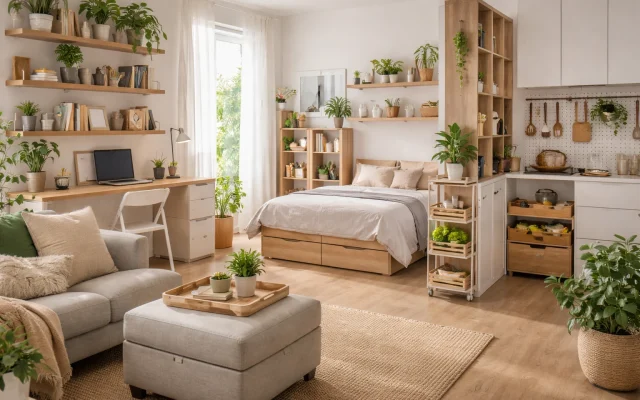
Storage is no longer treated as a separate feature but as a core design principle. Beds with drawers, coffee tables with lift-tops, and wall units with concealed compartments reflect an understanding that visible clutter can disrupt both aesthetics and wellbeing.
Research referenced by the American Psychological Association suggests that organised environments contribute to improved focus and reduced stress. In compact homes, this relationship becomes especially significant. When storage is built directly into furniture, residents gain control over their surroundings without sacrificing openness.
Visual clarity enhances perceived spaciousness, making even modest rooms feel calm rather than crowded.
Vertical design and spatial layering
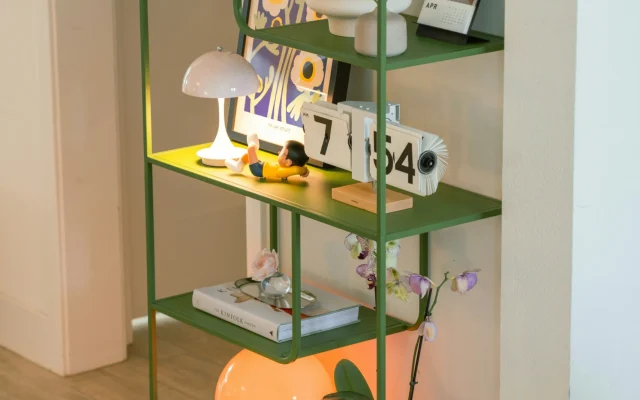
When floor space is limited, designers look upward. Vertical shelving, tall cabinets, and loft-style arrangements maximise usable area while preserving movement paths below. Wall-mounted desks and fold-down tables exemplify this strategy, providing functionality without permanent footprint expansion.
Vertical layering also creates opportunities for personalisation. Books, plants, artwork, and lighting can coexist in thoughtfully arranged stacks that add depth without clutter.
By leveraging height rather than width, compact homes gain dimensional richness.
Comfort without excess
Compact living does not require sacrificing comfort. Upholstery depth, ergonomic support, and material quality remain central to functional design. A smaller sofa can still offer generous cushioning; a compact chair can provide proper lumbar support.
Comfort emerges from proportion as much as from size. When furniture is scaled intentionally to the dimensions of a room, it avoids overwhelming the space. Thoughtful proportions allow residents to enjoy relaxation without visual congestion.
Hybrid rooms and blurred boundaries
Traditional room definitions are increasingly fluid. Kitchens blend into living areas, bedrooms accommodate workstations, and hallways become display zones. Furniture must respond to these hybrid uses without fragmenting the environment.
Transformable pieces support this blending. Sliding partitions with integrated storage or tables that extend when needed allow rooms to transition smoothly between functions. The goal is coherence rather than compartmentalisation.
In this context, functional design becomes an enabler of flexible lifestyles.
Sustainability and longevity
Functional trends also intersect with sustainability. Purchasing fewer, higher-quality pieces that perform multiple roles reduces material consumption and long-term waste. Durable materials and timeless design help furnishings remain relevant despite evolving tastes.
Sustainable thinking extends beyond materials to lifecycle considerations. Modular pieces can be expanded rather than replaced. Adaptable furniture can move with residents as they relocate, supporting long-term use rather than short-term trends.
This longevity adds another layer of comfort, financial and environmental reassurance.
Integrated technology
Modern small-home comfort increasingly incorporates subtle technological integration. Charging ports built into tables, concealed cable management systems, and adjustable lighting embedded in shelving units streamline everyday routines.
When integrated thoughtfully, technology enhances functionality without disrupting simplicity. Hidden integrations maintain aesthetic calm while accommodating digital lifestyles.
The psychology of spatial perception
Perception plays a powerful role in how small homes feel. Light colours, reflective surfaces, and balanced proportions can expand perceived space. Furniture that maintains open sightlines contributes to this effect.
Design psychology underscores that environments perceived as orderly and proportionate support mental clarity. Functional design, therefore, is not purely mechanical; it shapes emotional responses.
In compact living, perception can be as important as measurement.
Planning with intention
Selecting the right pieces requires intentional planning. Understanding daily habits, from morning routines to evening relaxation, helps determine which furnishings provide the greatest value. Rather than accumulating items reactively, residents benefit from mapping how each piece contributes to overall comfort.
This approach reduces unnecessary purchases and supports cohesive environments where each item earns its place.
Evolving definitions of home
As housing trends continue to evolve, small homes are no longer seen as temporary compromises but as deliberate lifestyle choices. Functional design enables these spaces to feel complete rather than constrained.
The growing emphasis on adaptability, organisation, and integrated storage reflects a broader cultural shift toward intentional living. In compact environments, every object carries weight, physically and visually. Furniture that responds intelligently to these realities transforms limited square footage into spaces that feel thoughtful, comfortable, and entirely livable.
Frequently Asked Questions (FAQs)
Functional design prioritizes adaptability, storage integration, and proportion to maximize comfort within limited square footage.
It reduces the need for multiple pieces, allowing one item to serve several purposes while preserving open space.
Modular systems can be rearranged or expanded as needs change, making small spaces adaptable over time.
Built-in storage minimizes visible clutter, supporting both visual clarity and psychological wellbeing.
Using wall space and height increases functionality without crowding the floor, maintaining ease of movement.
Not necessarily; well-proportioned, ergonomically designed pieces can provide full comfort without overwhelming a room.
Furniture must transition smoothly between functions, such as work and relaxation, to support blended daily routines.
Durable, multifunctional pieces reduce waste and extend usability, aligning with long-term environmental goals.
Subtle features like built-in charging ports and concealed cable systems enhance convenience without adding clutter.
By assessing daily habits and selecting pieces that serve clear purposes, homeowners can create intentional and cohesive interiors.