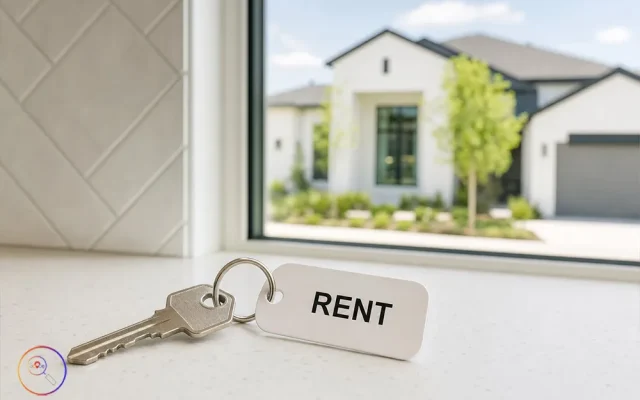


According to RentCafe.com’s latest reports, Miami’s rental market was the nation’s most competitive market in 2025, with 96.4% of apartments occupied, and an average of 19 renters competing for each available unit.
This level of competition reflects just how strong the demand for Miami living really is, and reinforces the city’s position as one of the most sought-after places to live in the country.
If you are considering renting a condo in Miami and are looking for valuable insights that will help you navigate this competitive market, in the article below, we will share our top advice to help you approach the process with confidence and make the right decision.
Choose a Neighborhood That Fits Your Lifestyle
The first thing you want to take care of when looking to rent in Miami is to decide which neighborhood you want to live in. Even though Miami is geographically compact, its neighborhoods are markedly distinct from one another and offer completely different experiences, lifestyles, and day-to-day environments.
For example, the fast-paced energy of high-rise urban Brickell can’t be compared to the quiet atmosphere and tree-lined residential streets of Coconut Grove. So, depending on what kind of lifestyle you are after, you will need to do your research and choose the right fit.
On top of that, considering the constant construction activity all over Miami, it would also be wise to try to find out if there are any upcoming developments near the building you are considering, as this can impact things like noise levels, traffic conditions, and your overall living experience.
Learn More About the Building by Talking to the Residents
After deciding on a neighborhood, you can start looking for a condo that will be suitable for your needs. The key thing to keep in mind during this process is to try and learn more about the condominium building as a whole, in addition to evaluating your unit’s residential features and the amenities you get access to.
Now, this can be a bit challenging, as this sort of information is hard to come by on the internet. Most online resources base their content on marketing materials and brochures that highlight the best aspects of a property and rarely tell the whole story.
This means that if the condominium has issues with the elevators, or suffers from maintenance delays or poor sound insulation, it is unlikely that a listing will mention them in its description.
This is why the best way to get insightful feedback about what it’s actually like to live there is to talk to previous tenants. If that’s not possible, you can at least try to speak with any of the current residents to learn more about the building.
Prepare for Different Approval Process Scenarios
The rental approval process in Miami is not standardized and can vary from one property to another. Depending on whether the unit is rented directly by an individual owner or by a property management office, it can be a bit inconsistent and unpredictable.
That said, while the specifics may vary, the general requirements for rental approval typically involve submitting a rental application with the following details:
- Valid identification with a photo ID
- Proof of income, such as pay stubs, employment offer letters, or bank statements
- Credit report and proof of a strong credit score
- Authorization for a background check covering criminal history
- A separate application submitted to the condominium association
In addition to meeting these requirements, Miami landlords typically require three months of rent upfront, and may potentially charge additional move-in costs, such as application fees and a security deposit paid to the condominium association.
Get Ready for Daily Elevator Jams
The last bit of advice may seem a little silly, but after a week in Miami, you’ll understand exactly what we’re talking about. It is fairly common for 40+ story buildings that house hundreds of residents for elevator wait times to get frustratingly long. Miami high-rise condos are not immune to this seemingly minor but considerably inconvenient issue.
The best way to deal with the daily jams is to try and plan your daily routine around avoiding peak elevator hours and minimizing unnecessary trips during the busiest times of the day.
The ideal solution would, of course, be to get a unit in a branded luxury residence, such as the Casa Bella Miami condo, as these buildings offer private elevator access that can spare you the time-consuming elevator wait times.
Document Every Scratch Before You Move In
Now that we’ve helped you with choosing the condo and navigating the approval process, we also have a piece of advice for the move-in stage that can potentially save you hundreds or even thousands of dollars.
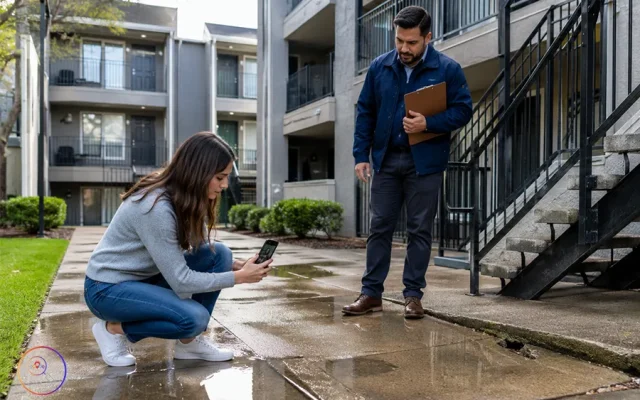
Before you start settling into your new place, it is a good idea to document every scratch, mark, chip, and any other visible imperfection on floors, walls, appliances, and fixtures to clearly establish the condition of the condo at the time of move-in.
Security deposits in Miami can be quite substantial, so why lose them to minor or pre-existing damage when you can easily protect yourself by snapping a few photos? Just do a quick walkthrough, and avoid paying charges for damage that you weren’t responsible for.
Helpful Finds for Your New Apartment
Found the right place? These are the move-in essentials nearly every renter buys in the first week:
- Moving Boxes Kit – assorted sizes delivered to your door.
- Damage-Free Picture Hangers – hang art without losing your deposit.
- Household Tool Kit – for furniture assembly and small fixes.
- Blackout Curtains – the upgrade that improves sleep the most.
Rise Apartments is a participant in the Amazon Services LLC Associates Program. As an Amazon Associate we earn from qualifying purchases made through the links above, at no extra cost to you.
Frequently Asked Questions (FAQs)
Miami is extremely competitive, with high occupancy rates and many renters competing for each available unit.
Focus on your lifestyle preferences, as each neighborhood offers a different atmosphere, pace, and amenities.
Talk to current or past residents to get honest insights about maintenance, noise, and overall living conditions.
You’ll usually need ID, proof of income, a credit report, and consent for a background check.
Most landlords require around three months’ rent upfront, plus deposits and application fees.
No, it varies depending on whether you’re renting from an individual owner or a property management company.
Ongoing or future construction can affect noise, traffic, and your overall living experience.
Yes, especially in high-rise buildings, where wait times can be long during peak hours.
Document all existing damage before moving in by taking photos and doing a thorough walkthrough.
Luxury buildings often offer better amenities and conveniences, like private elevators, but they come at a higher cost.