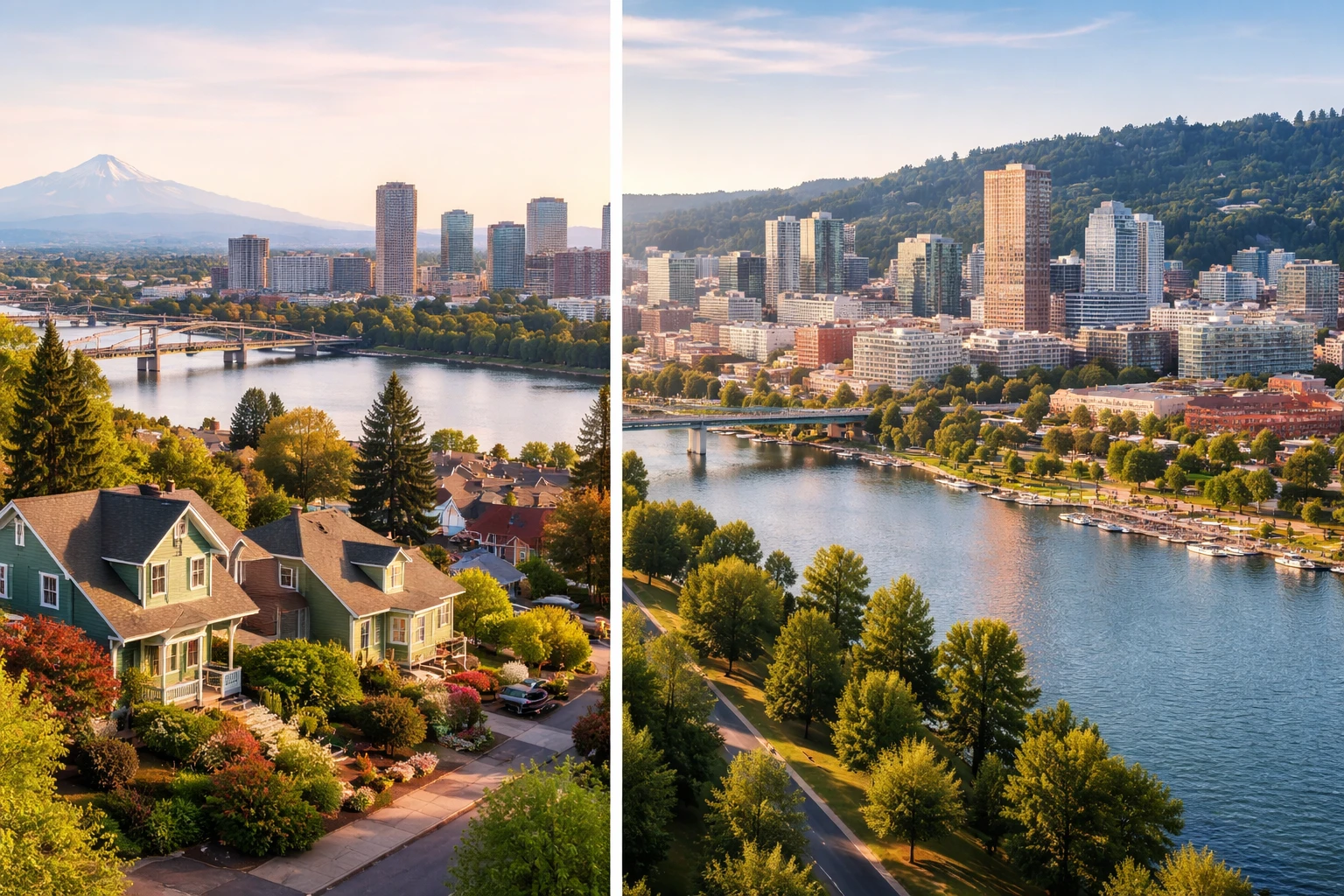
Thinking about moving to Portland and torn between East Portland and the west side? On a map, the Willamette River simply splits the city in two. In real life, it divides two distinct ways of living, with differences in lifestyle, infrastructure, commute patterns, and housing that you feel every single day.
How the Neighborhoods Feel
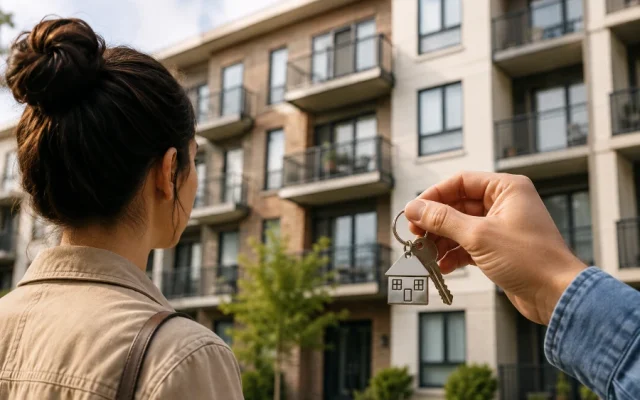
West Portland is home to the West Hills, the Pearl District, Downtown, and established residential pockets like Arlington Heights and Goose Hollow. The feel is dense and polished: historic homes in the hills, mid- and high-rise condos in the Pearl District, and easy access to theaters, restaurants, and museums.
East Portland ranges from close-in, classic neighborhoods like Laurelhurst and Hawthorne to farther-flung, more suburban-feeling areas along 122nd and beyond. The vibe is more eclectic: older bungalows, postwar ranches, small apartment buildings, and a growing number of newer townhomes and infill projects.
- West side: More curated, walkable cores with a strong “city” feel.
- East side: More varied, patchwork character with pockets of intense charm next to practical, everyday streets.
Infrastructure and Getting Around
Portland’s reputation for bikes and transit shows up differently on each side of the river.
West Portland infrastructure is shaped by hills and freeways. The West Hills limit the street grid, so you see winding roads, dead ends, and fewer direct bike routes. However, light rail and the streetcar serve the downtown core and the Pearl District well. If you live near a MAX or streetcar stop, it’s easy to go car-lite.
East Portland infrastructure is more grid-based and flatter. That’s good news for biking and buses. Inner eastside neighborhoods have dense bike boulevards and frequent bus lines. Farther east, the grid continues but sometimes without sidewalks, and transit can be less frequent. Daily errands might mix biking, walking, and driving depending on how far out you live.
- West side pros: Strong transit where it exists; great for people who work downtown or in the Pearl District.
- East side pros: Better bikeability in close-in areas; more straightforward driving thanks to the grid.
Commute and Daily Routines
If you’re commuting into downtown, living west or close-in east can mean shorter, more predictable travel. Many west siders hop on MAX, the streetcar, or a short bus ride. Inner east siders often bike or take a direct bus across the river.
From the outer edges of East Portland, commutes feel different. Distances grow, and while you might gain space and affordability, you’ll trade that for longer car or bus rides. Rush-hour traffic on I-84 and I-205 is a real lifestyle factor if you work in the city center.
On the west side, driving often means navigating hills, narrow residential streets, and limited east–west routes. It’s not necessarily faster, but the distances are shorter if your life revolves around the urban core, OHSU, or the tech corridor just beyond city limits.
Housing Types and Costs
West Portland housing leans toward higher prices and more stratified options. In the West Hills, you’ll find larger single-family homes with views and steeper price tags. The Pearl District is dominated by condos and lofts, with amenities and HOA fees baked in. West side rentals can be newer, with modern finishes and structured parking, especially closer to downtown.
East Portland housing offers a wider variety. Inner east neighborhoods feature early-20th-century bungalows, foursquare homes, and duplexes. Farther east, you’ll see more mid-century ranches, garden-style apartments, and larger apartment complexes. Prices generally moderate as you move east, which matters if you need more space or a yard.
- West side: Condos, view homes, and tighter inventories; you pay for proximity and prestige.
- East side: Mix of older character homes, practical rentals, and emerging townhome clusters; better odds of finding something in your budget.
Lifestyle Priorities: Which Side Fits You?
Choosing between East Portland and West Portland comes down to what you want your days to look like.
- If you crave urban convenience: Living in the Pearl District, Downtown, or nearby West Hills pockets means you can walk to galleries, high-end dining, and waterfront events, often without needing a car daily.
- If you value neighborhood texture: Inner East Portland offers walkable, tree-lined streets with indie coffee shops, food carts, and neighborhood bars that feel grounded and lived in.
- If you want maximum space per dollar: Outer East Portland typically stretches your budget further, at the cost of longer commutes and more car dependence.
- If you prioritize access to nature: The west side puts you close to Forest Park and Washington Park; the east side offers easier routes to the Columbia Gorge and Mount Hood.
Making the Move
Before you commit, it’s worth doing a few “test days” on each side: commute at rush hour, run typical errands, and walk the neighborhood at night. Your reaction to those small, daily experiences is often more revealing than stats about crime or square footage.
Once you’ve chosen your side of the river, an experienced local mover can make the transition smoother. Working with a licensed moving company in Portland means you can focus on learning your new neighborhood instead of wrestling with steep driveways or tight stairwells.
In the end, there’s no universally “better” side of Portland, just the one that matches how you actually live. Clarify your priorities, spend real time in each area, and let the rhythm of your daily routine guide your choice between East and West.
Frequently Asked Questions (FAQs)
It depends on your priorities. West Portland offers a denser, more urban lifestyle, while East Portland provides more variety in housing and neighborhood character.
East Portland is generally more affordable, especially as you move farther east. West Portland tends to have higher housing costs due to proximity to downtown and scenic hillside properties.
Commutes from close-in eastside neighborhoods can be quick by bike or bus, while westside residents often rely on MAX light rail or short drives to downtown.
East Portland, particularly inner east neighborhoods, is more bike-friendly thanks to its flatter terrain and grid street layout.
Many westside areas like Downtown and the Pearl District are very walkable, with easy access to shops, restaurants, and cultural attractions.
East Portland features a mix of early-20th-century bungalows, mid-century ranch homes, duplexes, and newer townhomes.
West Portland includes hillside single-family homes, condos in areas like the Pearl District, and modern apartments near downtown.
Both sides offer great options: the west side is closer to Forest Park and Washington Park, while the east side provides easier routes to the Columbia River Gorge and Mount Hood.
Outer East Portland commuters may face heavier freeway traffic, especially on I-84 and I-205 during rush hour.
Yes. Spending time commuting, exploring neighborhoods, and running everyday errands on both sides can help you decide which lifestyle fits you best.