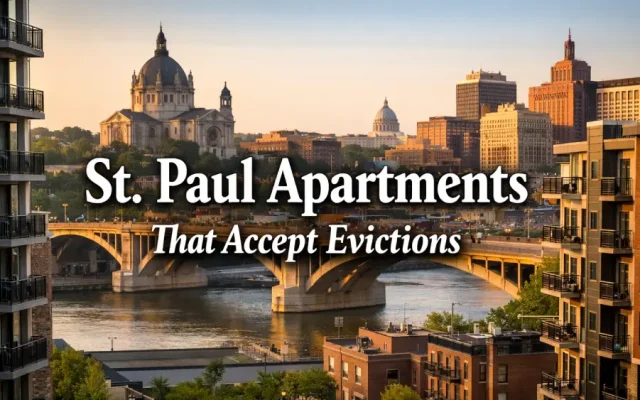

Washington, D.C.’s rental market is shaped by more than government turnover and tourist demand—it’s defined by diverse ownership structures, neighborhood character, and strong tenant protections. If you’re searching for Washington apartments that accept evictions, this nuance works in your favor. While some landlords follow strict screening, many others evaluate applicants holistically, especially when the eviction is older and current stability is strong.
D.C. also has significant tenant-friendly policies that encourage landlords to consider context rather than just black-and-white background flags. That means eviction history doesn’t always equate to no.
Eviction Screening in the D.C. Market
Larger apartment communities often use automated platforms that flag evictions without regard to context. These systems are designed for rapid decisions and generally favor perfection over nuance.
In contrast, smaller property owners and independent landlords often review:
- Time since the eviction occurred
- Income consistency and job stability
- Rental references and payment history
- Overall financial recovery since the eviction
Because Washington has a significant share of individually owned and locally managed rental properties, many renters find success when they target properties where landlords value context over rigid screening.
Professionals With Local Perspective
While I don’t provide apartment locating services outside Texas, local real estate professionals can offer valuable perspective on landlord expectations, neighborhood trends, and how applications are evaluated after eviction history.
Brenda De Paz — The Home Team Realty Group
📞 (240) 273-4570
Brenda entered real estate with a mission to help others achieve stability and housing success. Her perspective can be helpful for renters seeking insight into how property owners view complex histories.
The Shively Team — Douglas Elliman Real Estate
📞 (703) 930-0268
With deep familiarity in the D.C. metro area, The Shively Team brings market insight that helps renters understand what landlords prioritize.
Schumacher Estates — Keller Williams
📞 (571) 762-0294
Schumacher Estates’ experience working with relocating clients and long-term tenant priorities offers renters insight into how stability and documentation affect housing decisions.
Alternative Housing Options After an Eviction
If traditional apartment approvals are slow or unavailable, flexible options can help you stay housed while improving rental eligibility.
Airbnb
Longer-term Airbnb stays are commonly used as transitional housing and typically do not involve eviction screening.
Furnished Finder
Furnished Finder provides mid-term, furnished rentals that operate outside standard apartment screening criteria.
Facebook Marketplace Rooms for Rent
Room rentals from private owners often involve fewer automated screenings and more direct dialogue.
Private Landlords (Off-Market Rentals)
Rentals advertised independently often involve individual decision-making.
The Guarantors
Some renters reduce landlord risk by using guarantor services, depending on income and eligibility.
Second Chance Locators
Focuses on education and guidance for renters facing screening challenges, including eviction, rather than direct placement.
What Helps You Stand Out in Washington
Landlords in the D.C. area are often impressed by:
- Strong and verifiable income
- Recent, clean rental history
- Detailed explanation letters
- Professional references
- Willingness to negotiate lease terms
This emphasis on stability and transparency often outweighs the eviction itself.
Final Thoughts on Washington Apartments That Accept Evictions
Finding Washington apartments that accept evictions isn’t about shortcuts—it’s about understanding the local market and where flexibility exists. Washington’s tenant protections, privately owned rental stock, and varied neighborhood ownership models create paths for renters who approach the search strategically.
With preparation, documentation, and targeted applications, stable housing in Washington is possible—even after an eviction.
Frequently Asked Questions (FAQs)
Yes, many renters are approved depending on how recent the eviction was and current stability.
Yes, most landlords review court records and tenant screening reports where evictions appear.
No, some landlords review eviction cases individually instead of issuing automatic denials.
Yes, older evictions are generally viewed more favorably than recent ones.
Yes, unpaid balances can impact approval, but proof of settlement may help.
Disclosure timing matters, and addressing it when asked is often more effective.
Yes, private landlords often have more discretion than large apartment communities.
Yes, evictions tied to documented hardship are sometimes reviewed more leniently.
Evictions can remain visible for several years depending on reporting sources.
Timelines vary, but preparation and realistic options usually shorten the search.