Once limited to life at sea, shipping containers have found a second act on land, repurposed into everything from backyard storage units to full-scale homes, cafés, offices, and disaster relief shelters. But while the modular steel box has become a familiar symbol of functional design, choosing a used shipping container over a new one is a decision worth weighing.
For many, the appeal is clear: cost, availability, and sustainability. But used containers come with trade-offs, some cosmetic, others structural and they’re not always the right fit for every project.
Here, we take a clear-eyed look at the pros, cons, and practical applications of used shipping containers, helping homeowners, DIYers, and commercial buyers decide if secondhand is the smart choice.
What Are Used Shipping Containers?
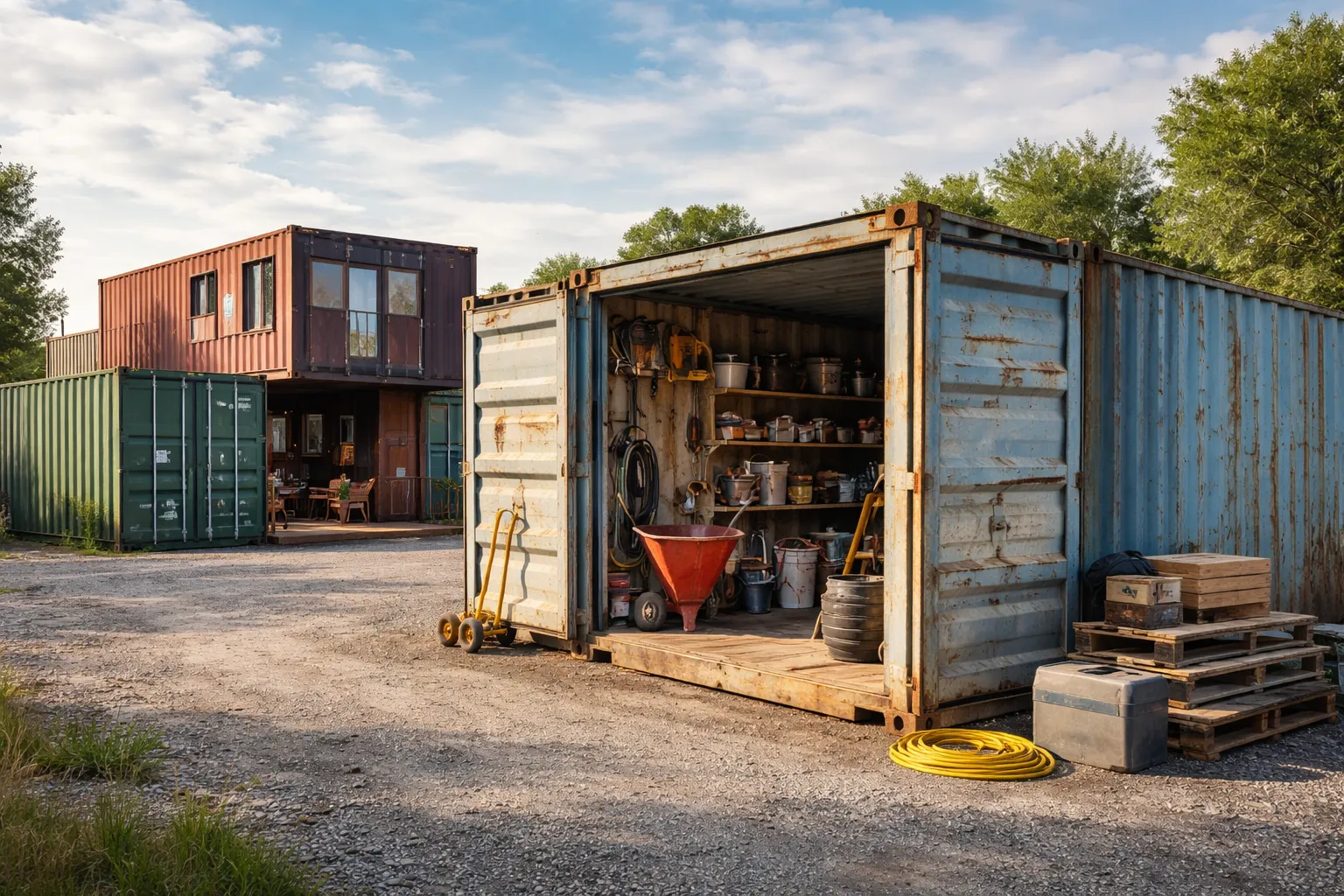
A used shipping container is exactly what it sounds like: a steel container that’s previously served in cargo transport, typically across oceans. Most are between 5 and 15 years old when they’re taken out of service, and while no longer certified for maritime shipping, many are still structurally sound, often repurposed for storage, construction, or modular installations on land.
Used shipping containers may show signs of wear, surface rust, dents, patched flooring, or faded paint, but reputable suppliers, such as Universal Containers, inspect, grade, and refurbish these units before resale.
Depending on condition and certification, used containers are typically categorized as:
- Cargo Worthy (CW): structurally sound for continued freight use (land or sea)
- Wind and Water Tight (WWT): weatherproof, suitable for storage
- As-Is: lowest grade, often for scrap or non-structural use
Pros of Used Shipping Containers
1. Lower Cost
The most obvious advantage of buying used is price. A used container can cost 30–50% less than a new (or “one-trip”) container, making it a practical option for:
- Tool or equipment storage on farms and construction sites
- Budget-friendly workshops or workspaces
- Temporary structures or event use
For builders working with tight margins or homeowners seeking extra space without pouring a foundation, the savings are significant.
2. Environmental Sustainability
Choosing a used container means giving a second life to a durable steel product that might otherwise be scrapped. It’s a low-impact, high-value form of recycling, aligning with sustainable building practices and appealing to those looking to reduce their environmental footprint.
3. Immediate Availability
Used containers, especially in standard sizes (like 20ft and 40ft), are often more readily available than new builds, particularly during periods of supply chain disruption. This can mean faster delivery and fewer delays if you’re working to a deadline.
4. Pre-Weathered and Proven
These containers have already been exposed to salt, sun, and hard knocks and held up. Their longevity is proven. For outdoor storage, this can be a benefit: you know how the unit handles real-world conditions.
Cons of Used Shipping Containers
1. Wear and Tear
Used containers are rarely flawless. Expect:
- Scratches and dents
- Rust (surface or deeper corrosion)
- Weld patches on the floor or roof
These issues don’t always affect function, but they do affect aesthetics, and may complicate later modifications. Always inspect the unit or request detailed photos before buying.
2. Unknown Usage History
A used container may have hauled anything from textiles to chemicals. Without documentation, it’s difficult to know what it carried, which could matter if you’re planning to use it for a workspace, café, or habitable structure.
Look for containers certified and cleaned by trusted suppliers like Universal Containers, who vet and grade their inventory to avoid surprises.
3. Customization Can Be Harder
Older steel may be harder to cut or weld, and uneven surfaces (from years of stacking or bumps) can complicate insulation, flooring, or window installation. This doesn’t make modifications impossible, just potentially more labor-intensive.
4. Limited Lifespan
Even in good condition, a used container has a finite future, often another 10–15 years, depending on climate and maintenance. For storage or temporary structures, that’s often more than enough. But for long-term housing or commercial builds, a new container might offer greater peace of mind.
Common & Creative Uses for Used Shipping Containers
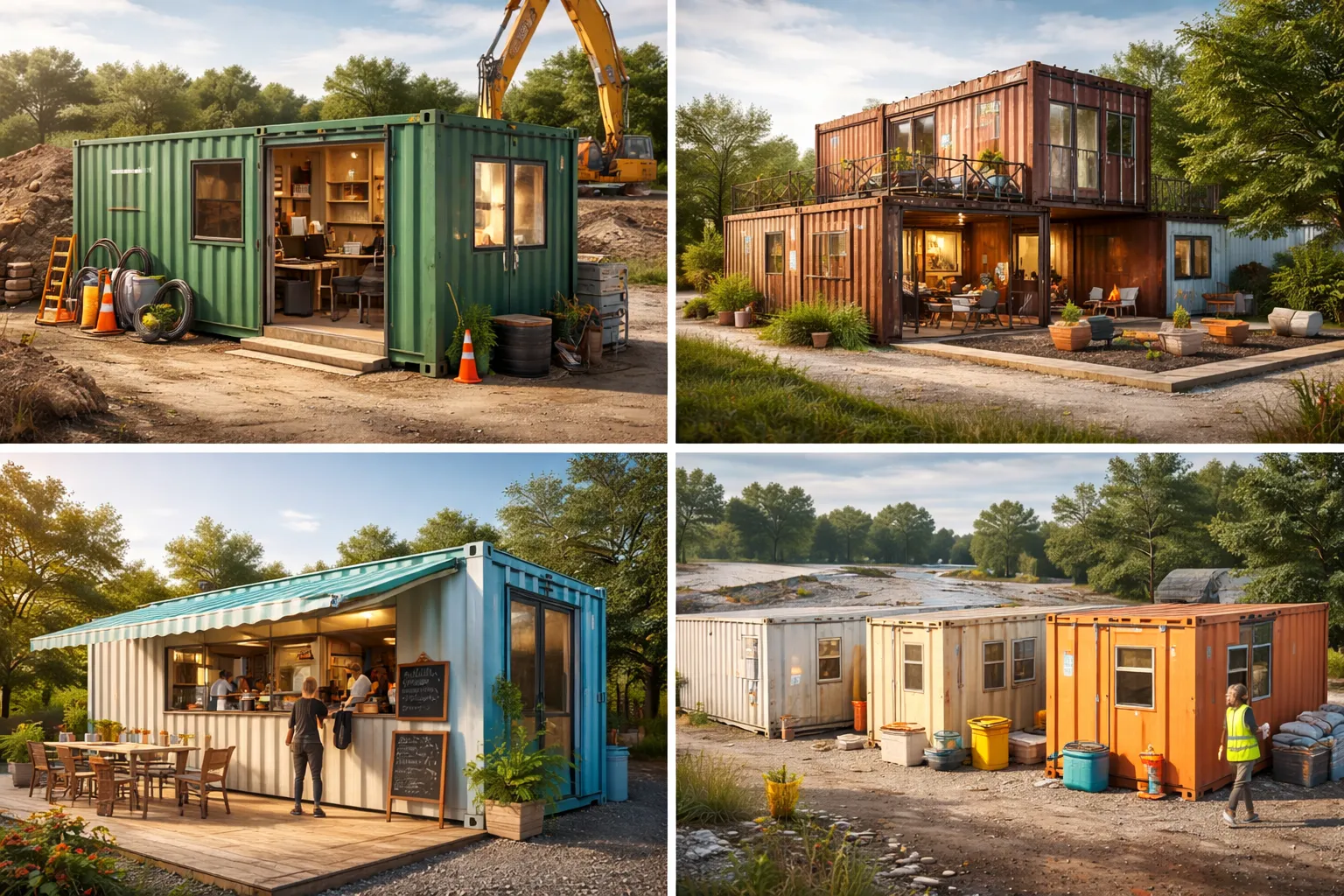
Used containers are adaptable, durable, and mobile, which makes them incredibly versatile. Here’s where they shine:
Storage Units
One of the most popular uses, especially in rural or industrial areas. Containers are:
- Weatherproof
- Lockable
- Portable
Ideal for tools, machinery, seasonal inventory, or personal items.
Site Offices or Workshops
Used containers make quick, reliable on-site offices, especially on construction or energy sites. With basic insulation and wiring, they function well as temporary workspaces.
Container Homes or Tiny Houses
For DIY builders or off-grid enthusiasts, used containers can serve as the structural backbone of a home. While modifying older units requires care, they can be stacked, joined, and finished creatively.
Pop-Up Retail or Cafés
Event-based businesses often turn to containers for mobile shops or food stalls. Used units are ideal for short-term or seasonal setups that don’t justify the cost of new construction.
Emergency Housing or Disaster Relief
In situations where speed, cost, and durability matter more than aesthetics, used containers offer a compelling solution, particularly when modified by NGOs or local governments.
Used vs New Shipping Containers: What’s Right for You?
| Factor | Used Container | New (One-Trip) Container |
| Price | Lower | Higher |
| Appearance | Weathered | Clean and uniform |
| Durability | ~10–15 years left | 20–30 years with maintenance |
| Modification | Can be trickier | Easier to customize |
| Best For | Storage, budget builds | Long-term housing, commercial use |
What to Check Before Buying a Used Container
Not all used containers are created equal. Here’s what to look for before buying:
- Condition Grade: WWT (wind and water tight) or Cargo Worthy (CW) are your safest bets
- Doors & Seals: Ensure doors open easily and rubber seals aren’t cracked or warped
- Corners & Frame: Check for structural rust or deformation
- Flooring: Look for soft spots, holes, or chemical stains
- History: Ask what it carried (if known) and request cleaning records or certifications
Final Thoughts
For many buyers, used shipping containers offer unbeatable value: they’re tough, affordable, and adaptable to dozens of creative or practical applications. But like any second-hand item, they come with trade-offs, cosmetic wear, a shorter lifespan, and a few unknowns.
As always, the right container isn’t just about steel and price. It’s about what you’re building, and how long you want it to last.
Frequently Asked Questions (FAQs)
A used shipping container is a steel cargo container that has previously been used for freight transport and later retired for land-based use.
Many are structurally sound, especially Cargo Worthy (CW) or Wind and Water Tight (WWT) units, but condition varies by container.
Used containers typically cost 30–50% less than new or one-trip containers, depending on size and condition.
Yes, but older steel, dents, or uneven surfaces can make cutting, welding, or insulating more labor-intensive.
Surface rust is common and usually manageable, but deep structural corrosion should be avoided when purchasing.
It can be, but only if the container is properly cleaned, treated, and modified to meet health and safety standards.
With proper maintenance, many used containers can last another 10–15 years in land-based applications.
They’re widely used for storage, site offices, workshops, pop-up retail, container homes, and emergency shelters.
Check the condition grade, doors and seals, flooring, frame integrity, and any available usage or cleaning history.
New containers are often better for long-term housing, high-end commercial projects, or builds where appearance and lifespan are critical.