Electricity has become one of the fundamental infrastructures of modern residential life. From basic lighting and home appliances to communication networks, heating and cooling systems, medical devices, and remote work setups, reliable power is intertwined with everyday living. Yet, power interruptions still occur, whether due to extreme weather, grid maintenance, equipment failure, or unexpected outages, and can cause inconvenience, economic loss, and in some cases serious safety risks.
For homeowners and property managers alike, understanding backup power options is an increasingly critical component of resilient residential design. Generators, battery systems, and hybrid solutions each bring different strengths and limitations, and choosing the right approach depends on factors such as power needs, building type, aesthetic preferences, and budget. When comparing generator systems, for example, guides like choosing the right backup generator can help frame differences between popular manufacturers, but they represent only one piece of the broader decision landscape.
This article explores the fundamentals of residential backup power, how different systems work, key considerations for selection, and how these options fit into a comprehensive plan for household resilience.
Why backup power matters in residential contexts
Power outages are not just inconvenient; they can have real impacts on health, safety, and financial wellbeing. For example, sudden loss of refrigeration can spoil food, interrupt medical equipment that depends on electricity, disrupt heating or cooling systems in extreme temperatures, and interrupt communication and remote work that have become commonplace in many households.
In regions prone to severe weather, hurricanes, winter storms, heatwaves, or wildfires, outages can be prolonged, making contingency planning especially important. Even in areas with reliable utilities, scheduled maintenance or unforeseen failures highlight the value of systems that provide continuity rather than interruption.
Backup power systems provide a layer of resilience that allows homeowners to maintain essential functions until grid service is restored.
How backup generators work
Backup generators are mechanical systems that convert stored fuel (such as propane, natural gas, or diesel) into electrical energy. When the main utility supply fails, an automatic transfer switch detects the outage and signals the generator to start. Once the generator reaches operating speed and stabilises, it begins supplying electricity to the connected circuits.
Generators vary widely in capacity, fuel type, maintenance needs, noise levels, and installation complexity. Residential systems are typically sized based on expected load, whether they need to power only critical circuits like refrigeration and heating systems or the entire home, including air conditioning and heavy appliances.
Pricing and running costs are often linked to fuel type, fuel availability, and maintenance frequency.
Comparing generator brands and types
When selecting a backup generator, one common decision point is choice of manufacturer. Popular brands like Kohler and Generac have long histories in residential and commercial power solutions, and comparing them often involves examining features such as build quality, warranty terms, customer service availability, and long-term performance.
A resource that explores differences under the lens of specific systems’ design philosophies and field performance can be useful when evaluating purchase options. While that doesn’t replace personalised advice, having a structured comparison helps frame expectations for reliability and support.
Beyond brand choice, homeowners must also consider whether to install a portable generator, moved and connected manually when needed, or a permanently installed standby generator. Standby units are typically hardwired into a home’s electrical system and can start automatically in seconds when the grid fails.
The decision between these configurations reflects a balance between convenience, cost, and intended use.
Sizing a backup power system
One of the most critical steps in selecting a backup power option is correctly sizing the system. Oversizing leads to unnecessary expense, while undersizing can result in failure to supply crucial loads during an outage.
Household power needs are often assessed by compiling a load list of appliances and systems that must remain operational during a disruption. These may include:
- HVAC systems
- Refrigeration and freezers
- Lights and outlets
- Water heaters or well pumps
- Communication devices and networking
- Medical or special equipment
Calculating these needs in terms of electrical load (typically in watts) allows homeowners and installers to identify a generator or backup system that matches actual requirements rather than guesswork.
Fuel types and operational considerations
Different generator systems use different fuels, each with its advantages and constraints. Natural gas standby generators are popular in areas where gas utilities remain operational during outages, as they provide an ongoing fuel source without the need for manual refilling. Propane generators are versatile and suitable for homes without natural gas connections, but require sufficient on-site storage tanks. Diesel generators provide robust power but involve higher fuel costs and more frequent maintenance cycles due to fuel quality concerns.
Fuel logistics, including availability, cost, storage safety, and refilling strategies, are essential considerations in planning a reliable backup system.
Maintenance and testing
Backup power systems are only reliable if they are well maintained. Generators require periodic servicing, including oil changes, filter replacements, spark plug inspections, and load testing. Many systems also benefit from being started and run under load periodically to ensure readiness.
Failing to test or maintain a generator can lead to unexpected failures when the system is needed most. Scheduled maintenance, ideally documented and tracked, supports both performance and safety.
Battery-based backup and hybrid systems
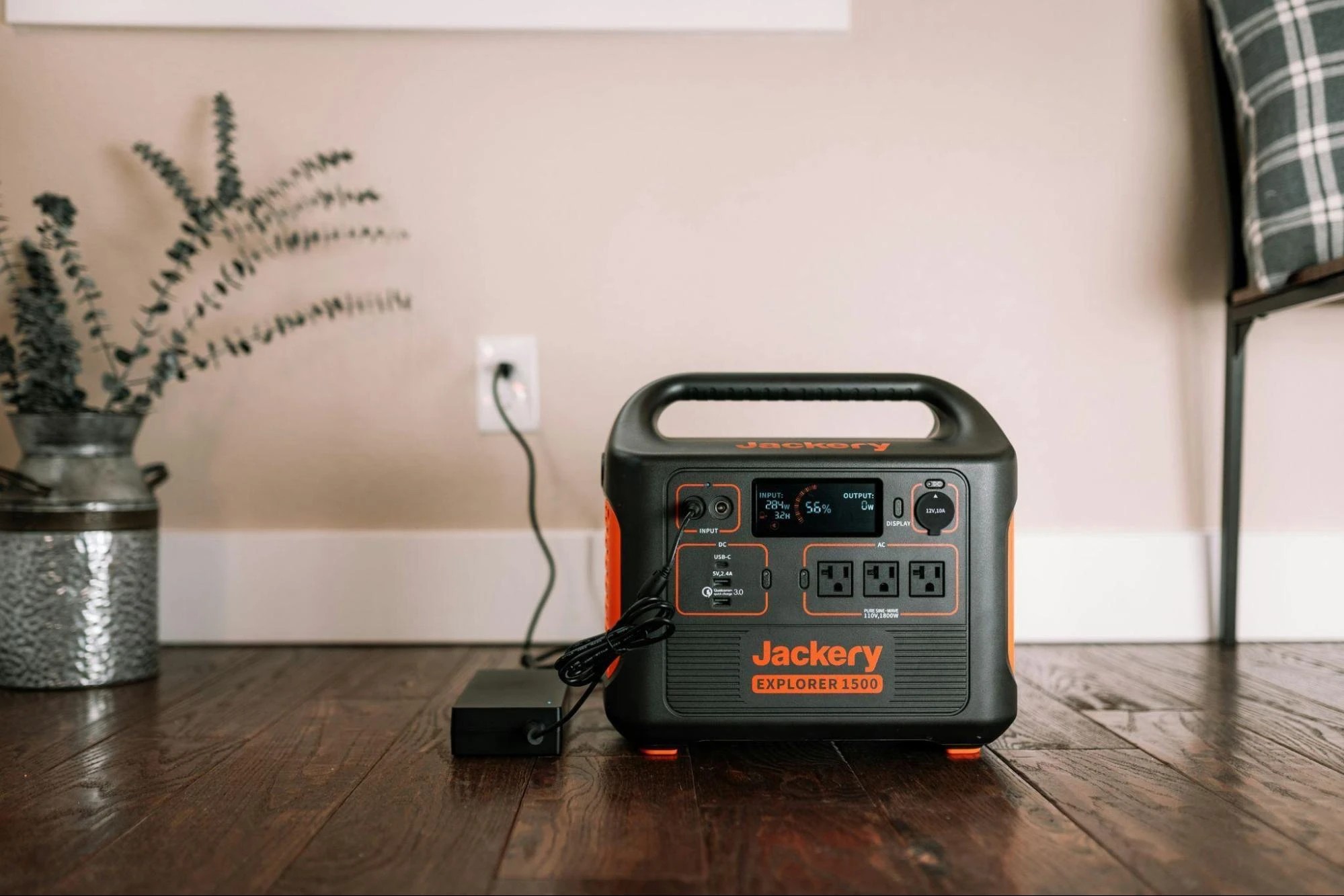
In addition to traditional generators, modern backup options include battery-based systems, sometimes integrated with renewable energy technologies like solar photovoltaic systems. Battery backup systems, whether standalone or paired with grid-tied solar, provide instant power when the grid fails, often with silent operation and no fuel handling.
While batteries may not supply large loads over extended durations as easily as a generator, they are highly effective for powering essential circuits and electronics with minimal noise and no emissions. Hybrid systems, combining batteries with generators and renewable sources, offer layered resilience: batteries cover short outages and sensitive electronics, while generators handle prolonged or high-load conditions.
Understanding how these technologies can complement one another helps households tailor their backup infrastructure to specific priorities.
Safety and code compliance
Backup power systems must be installed with safety and compliance in mind. Generators produce exhaust gases, including carbon monoxide, which can be lethal if not properly vented. National and local electrical codes specify clearances, grounding requirements, transfer switch installation standards, and ventilation protocols to ensure that systems operate safely.
Hiring qualified technicians for installation and inspection ensures that systems meet regulatory standards and that the risk of fire, electrocution, or exposure to harmful emissions is minimised.
Cost considerations and financial planning
Backup power systems involve upfront costs, for equipment, installation, fuel storage, and permits, as well as ongoing expenses such as fuel consumption and maintenance. Balancing these costs against the value of uninterrupted power is a personal decision shaped by factors such as local outage frequency, the consequences of power interruption, budget constraints, and long-term property planning.
Some homeowners prioritise critical systems only and choose smaller, lower-cost units for essential loads. Others prefer whole-house solutions that provide seamless continuity at greater expense. Analysing cost in the context of risk tolerance and household needs helps make the decision more intentional than reactive.
Environmental and community impacts
Backup power systems have environmental implications. Traditional fuel-powered generators emit greenhouse gases and noise pollution. Location, proximity to neighbouring homes, and fuel handling practices all factor into the broader environmental footprint of a system.
Battery systems paired with renewables can reduce carbon emissions, but require consideration of lifecycle environmental costs of battery production and disposal. Communities and municipalities may also have ordinances regarding noise levels, emissions, and visible equipment placement.
Understanding these community impacts supports responsible selection and operation of backup power solutions.
Trends in resilient residential design
As extreme weather events and grid stress become more common due to climate change and rising energy demand, resilience has moved from a niche concern into mainstream residential planning. Backup power is just one aspect of a broader strategy that includes energy-efficient design, site planning, and diversified power sources.
Municipalities and building codes in some regions are beginning to recognise the importance of resilience, incorporating incentives or standards that encourage energy autonomy and backup readiness. Homeowners who invest in backup power systems today may be positioning their properties for greater long-term stability and market differentiation.
Credible guidance and expert resources
Understanding backup power in residential contexts benefits from consulting authoritative sources. Government agencies and standards bodies provide frameworks for planning and safety. For example, the U.S. Department of Energy outlines best practices for home energy resilience, including backup power integration, load prioritisation, and fuel considerations.
These resources offer technical context and help homeowners align their investments with recognized safety and performance guidelines.
Making an informed choice
Choosing a backup power solution is not simply a matter of selecting a brand or model. It involves analysing household energy demands, evaluating environmental factors, budgeting for installation and maintenance, and integrating safety and compliance considerations. Whether a property utilises a traditional generator, battery storage, or a hybrid setup, a thorough understanding of each option’s strengths and limitations ensures that the choice aligns with household priorities.
Backup power systems do more than provide comfort during outages, they support continuity, safety, and peace of mind. With thoughtful planning informed by reliable comparisons and broader technical understanding, residential buildings can be equipped to withstand interruptions with resilience rather than disruption.
Frequently Asked Questions (FAQs)
A backup power system maintains essential household functions during outages, helping protect safety, comfort, and daily routines.
The most common options include standby generators, portable generators, battery storage systems, and hybrid setups that combine multiple technologies.
A standby generator is permanently installed and starts automatically during outages, while a portable generator must be manually connected and operated.
System sizing is based on calculating the total wattage of essential appliances and systems that need to operate during an outage.
Residential generators commonly use natural gas, propane, or diesel, each with different availability, storage, and maintenance considerations.
Battery systems are ideal for essential circuits and short outages but may not sustain heavy loads or extended interruptions without additional support.
Generators require regular oil changes, filter replacements, inspections, and periodic load testing to ensure reliability.
Yes, but they must be installed by qualified professionals to meet electrical codes, ventilation requirements, and safety standards.
Costs depend on system size, fuel type, installation complexity, maintenance needs, and whether the setup powers essential circuits or the entire home.
Fuel-powered generators produce emissions and noise, while battery systems reduce operational emissions but have lifecycle environmental considerations.