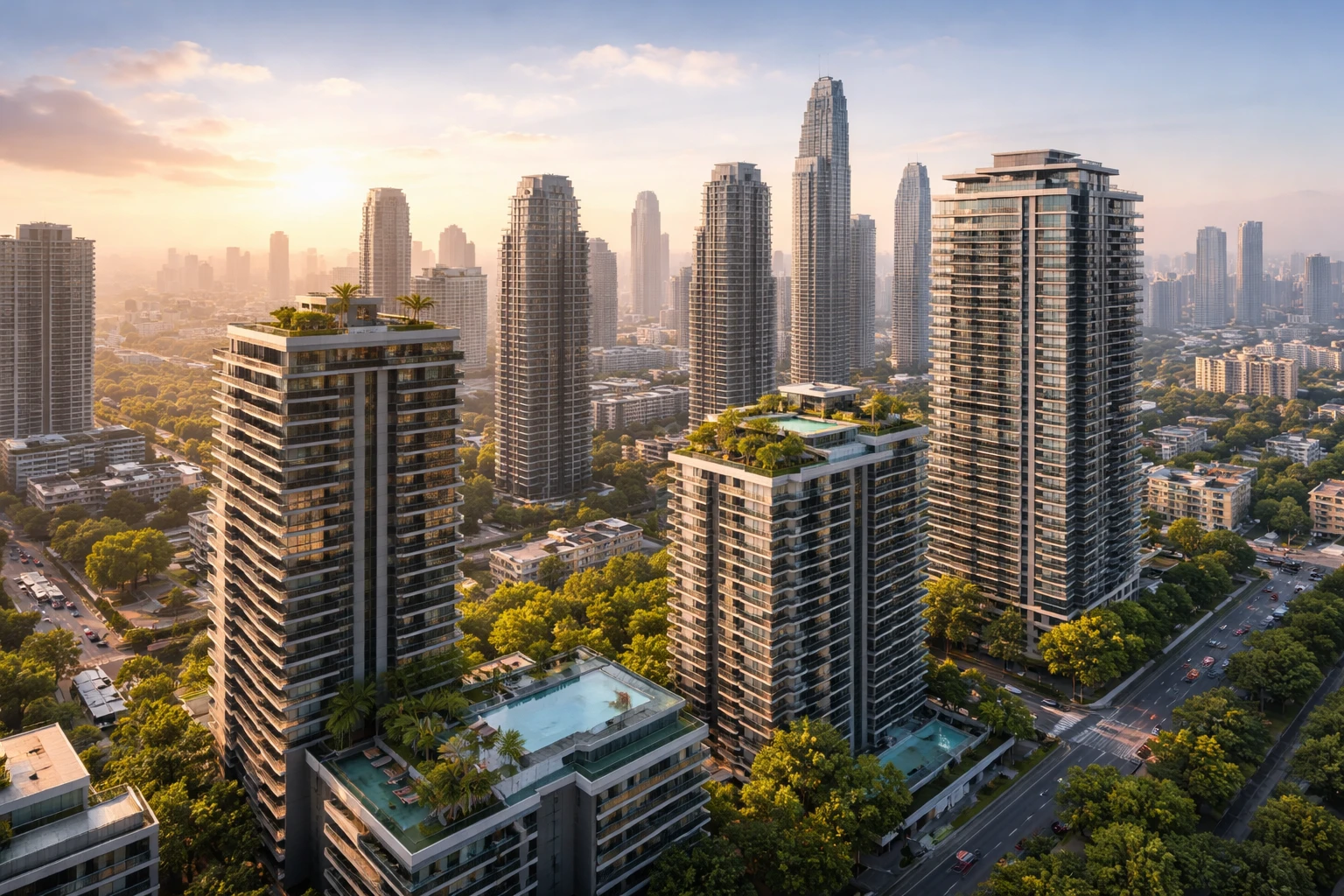
High-rise apartments have become a defining feature of modern urban living. As cities grow denser and land availability decreases, vertical housing provides an efficient, community-focused solution for renters and property investors alike. While amenities, views, and location often attract attention first, the long-term success of a high-rise property depends heavily on something less visible: structural quality and disciplined planning.
Understanding how buildings are designed, tested, and maintained can help renters and real estate stakeholders make informed decisions about apartment living especially in competitive urban markets.
The Foundation of High-Rise Living: Structural Integrity
Every high-rise begins with a foundation engineered to support immense vertical loads. Unlike low-rise structures, high-rise buildings must withstand wind forces, shifting soil conditions, and long-term material stress. Developers rely on rigorous construction standards and material verification processes to ensure durability and safety.
Quality construction incorporates systematic evaluation of materials such as concrete, aggregates, and reinforcement components. Processes like laboratory compressive strength testing and soil analysis ensure that foundational materials meet defined performance thresholds before construction proceeds. These structured validation methods help prevent long-term issues such as settlement cracks, structural fatigue, or premature deterioration.
For example, understanding how construction professionals verify durability through concrete testing equipment and standardized material analysis can provide insight into the depth of planning that goes into modern building projects. When residents choose a high-rise property built with disciplined quality controls, they indirectly benefit from the reliability those processes create.
Urban Efficiency and Sustainable Density
High-rise apartments optimize land use by building upward rather than outward. This vertical expansion reduces urban sprawl, preserves green space outside city centers, and makes public transportation more viable. Residents often benefit from shorter commutes, improved walkability, and access to essential services within a compact footprint.
However, sustainable density also depends on the building’s ability to perform over time. Efficient insulation, structural soundness, and properly tested materials contribute to energy conservation and reduced maintenance costs. When buildings are constructed with precision and validated materials, they tend to require fewer large-scale repairs reducing disruption for tenants and improving overall living stability.
Behind the scenes, disciplined evaluation of construction materials including aggregate testing equipment used to assess strength and durability characteristics plays a key role in determining how well a building performs across decades of use. While residents may never see this equipment, its application directly affects comfort, safety, and long-term habitability.
Safety as a Core Component of Resident Confidence
Safety is one of the primary reasons renters choose professionally managed high-rise communities. Modern buildings typically integrate:
- Controlled access entry systems
- Fire-resistant materials
- Sprinkler systems and emergency lighting
- Structural reinforcement to resist wind and seismic forces
- Routine inspection and maintenance schedules
These safety systems are not arbitrary; they are the result of compliance standards and quality verification processes. During construction, materials undergo strict evaluation to ensure they meet required load-bearing and performance criteria. Post-construction, routine inspections help maintain those standards.
This layered safety approach creates an environment where residents feel secure not only because of visible features like security staff or cameras, but also because the building itself was constructed using validated, high-performance materials.
Comfort and Noise Reduction in Vertical Communities
A well-built high-rise does more than stand tall; it enhances daily comfort. Properly engineered floor slabs, wall assemblies, and insulation systems reduce sound transmission between units. High-quality structural materials limit vibration and movement under load.
The difference between a building that “feels solid” and one that feels hollow often traces back to early material selection and testing. Engineers analyze density, load distribution, and reinforcement strategies to optimize structural performance. These technical decisions influence everything from elevator smoothness to the quietness of shared walls.
Residents may not think about compressive strength values or aggregate composition, but they experience the outcome every day through stable floors, minimal cracking, and reduced maintenance disruptions.
Long-Term Value for Investors and Owners
From an investment perspective, high-rise apartments represent long-term assets. Their profitability and appeal depend on sustained structural performance and manageable maintenance costs. Buildings constructed with substandard materials often incur higher repair expenses over time, reducing profitability and tenant satisfaction.
Quality control during construction reduces these risks. By implementing structured testing and validation protocols early in the building lifecycle, developers minimize future uncertainty. This mirrors quality assurance disciplines in other industries, where systematic evaluation improves predictability and lifecycle performance.
For property owners, this translates to:
- Reduced structural remediation costs
- Higher tenant retention
- Stable rental income
- Stronger resale or refinancing value
For renters, it means fewer disruptions, fewer unexpected repairs, and greater confidence in their living environment.
Community Design Supported by Structural Reliability
High-rise living is often associated with lifestyle amenities, rooftop lounges, fitness centers, co-working spaces, and shared social areas. These spaces rely on careful load calculations and structural reinforcement to support gatherings, equipment, and environmental exposure.
Balconies, rooftop gardens, and communal terraces must meet strict performance standards to ensure long-term safety. Structured material testing and validation during construction ensure these areas remain secure over time, even with repeated use.
When high-rise communities combine thoughtful design with structural integrity, they create environments that encourage social interaction while maintaining safety and durability.
Choosing a High-Rise Apartment with Confidence
For renters exploring high-rise options, visible features such as location, amenities, and design style are important. However, asking about construction quality, building age, and maintenance history can provide additional insight.
Consider questions such as:
- When was the building constructed, and were major renovations completed?
- What structural or safety certifications does the property maintain?
- How does management handle preventive maintenance?
- Are inspection reports available upon request?
These inquiries demonstrate a proactive approach to apartment selection. While technical testing processes may occur long before move-in day, their impact remains central to the resident experience.
The Overlooked Advantage of Quality-Driven Construction
High-rise apartments symbolize modern urban life efficiency, connectivity, and convenience. Yet behind their glass facades and skyline views lies a complex network of engineering decisions and quality controls that determine their performance for decades.
Disciplined construction practices, validated materials, and systematic evaluation frameworks ensure that these vertical communities remain safe, durable, and comfortable. Whether you are renting your first city apartment or evaluating long-term housing options, recognizing the role of structural quality can help you appreciate the unseen foundations that support everyday life.
High-rise living is more than elevation; it is the result of careful planning, measurable standards, and a commitment to long-term reliability.
Frequently Asked Questions (FAQs)
Yes. Modern high-rise buildings are constructed under strict engineering standards and building codes. Materials undergo laboratory testing and verification to ensure they meet defined strength and durability requirements before construction begins.
Construction materials such as concrete and aggregates are tested using specialized laboratory equipment to measure compressive strength, density, and durability. These processes help confirm that materials can withstand long-term structural loads.
Not necessarily. Well-constructed high-rises built with validated materials often experience fewer structural issues. Preventive maintenance and routine inspections further support long-term reliability.
Modern high-rises are engineered to withstand wind loads, seismic activity, and environmental stress based on regional requirements. Structural reinforcement and compliance testing help ensure resilience.
Renters can ask about the building’s construction year, maintenance practices, inspection records, and renovation history. Professionally managed properties typically maintain structured maintenance and safety protocols.