

College is a time of considerable change. For many students, transitioning into and out of campus life means grappling not only with academic demands but also with practical challenges such as moving, housing logistics, and managing personal belongings away from home. Whether they are first-years settling into dorms, upperclassmen juggling summer break storage, or graduates preparing for post-college life, students face a recurring question: what to do with the possessions that don’t fit neatly into a compact living space.
For students navigating these stages, off-campus options like student self storage can offer flexibility and convenience at pivotal moments. Storage solutions tailored to student needs help ease the pressure of relocation, protect valuable items, and offer a buffer against the stress of abrupt or seasonal moves. These practical resources complement the broader social and academic adjustments that students negotiate throughout their college journey.
Before settling on any particular storage choice, it’s useful to understand how collection, packing, and temporary storage can support academic success and wellbeing. The transition periods that define college life are not just logistical episodes; they also intersect with emotional and cognitive stressors that affect students’ overall experience, which is why resource planning matters as much as class scheduling and roommate coordination.
Why storage solutions matter during college transitions
Students often live in environments with limited space, dorm rooms, shared apartments, or off-campus housing that imposes strict square footage constraints. Factor in belongings accumulated over years of schooling, books, electronics, furniture, artwork, seasonal clothing, and the spatial tension becomes clear. Traditional living arrangements rarely account for items that are infrequently used but difficult to part with, such as childhood memorabilia or household goods bought for temporary use.
Having a reliable place to store possessions allows students to maintain continuity in their personal lives without overwhelming their living quarters. Storage solutions can be particularly useful at key transitional moments: summer breaks when dorms are cleared, study abroad terms, internships that require temporary relocation, or graduation when students move back home or into new cities.
These solutions don’t just provide physical space; they also reduce one dimension of logistical uncertainty at times when students are already managing academic pressures, social changes, and planning for the future.
Moving and relocating: practical challenges for students
Residential transitions require coordination under time pressure. Moving into a dorm at the beginning of the academic year often comes with strict time windows and limited help from families who may be juggling their own schedules. At the end of a semester, students may have only a short period to clear out belongings before storage, travel home, or relocation.
Organising, packing, and transporting items can take valuable time that students might otherwise dedicate to coursework or rest. With compact living spaces, this challenge becomes even more acute; dorm rooms often allow only narrow corridors and minimal storage furniture. Overflow boxes can crowd shared spaces and create environments that are physically and cognitively draining.
Having access to off-campus storage, located conveniently near campus and designed with student transitions in mind, simplifies these processes. Instead of struggling to fit every item into a crowded dorm room or rushing to cram belongings into parents’ cars, students can move only essentials into living areas and relocate the rest to secure storage.
Reducing emotional load through organisational routines
Transitions are rarely purely physical; they also carry emotional weight. Leaving familiar spaces, shifting social networks, and adjusting to new routines can create stress. Research in psychology suggests that environmental organisation influences cognitive load and comfort levels. The American Psychological Association highlights links between physical environments and emotional wellbeing, noting that cluttered spaces can contribute to distraction and stress, especially during periods of change.
By offloading infrequently needed belongings into storage, students can create more streamlined living environments that support focus and rest. A less crowded room can help foster better study habits, more comfortable social interactions, and a sense of control over one’s immediate surroundings. The peace of mind that comes from knowing belongings are safe and accessible, but not in the way, also plays into overall student wellbeing during transitional periods.
How student-oriented storage differs from general solutions
Not all storage options are created equal. Student-focused services often recognise the unique rhythms of academic life. For example, they may offer flexible lease terms that mirror the academic calendar, eliminate long-term contractual commitments, or provide short-term units that accommodate semester breaks and study abroad terms.
Because student needs tend to surge around predictable transition dates, end of spring semester, winter break, study abroad departure, facilities that align services with these cycles help reduce friction. Additionally, student-friendly storage providers often offer support services such as packing supplies, moving assistance, and convenient access hours, making the experience more seamless than navigating these tasks alone.
Packing strategies that support smooth transitions
Efficient use of storage begins with smart packing. Students, many of whom may be managing this process for the first time, benefit from a few practical habits that make storage organisation easier and unpacking later more intuitive.
Start by sorting items into categories of frequency of use: daily essentials, seasonal possessions, and rarely accessed items. Label boxes clearly with contents and storage dates, so that retrieval does not become a guessing game. Invest in sturdy boxes and protective materials for fragile items such as electronics or sentimental belongings. For students storing textbooks or educational resources, waterproof bins can guard against moisture damage, especially in facilities located in regions prone to humidity.
This level of organisational thinking not only streamlines the physical process but also reduces the cognitive load associated with packing. When items are grouped logically, students spend less time searching for what they need and more time focusing on academic or social responsibilities.
Scheduling and timing for storage moves
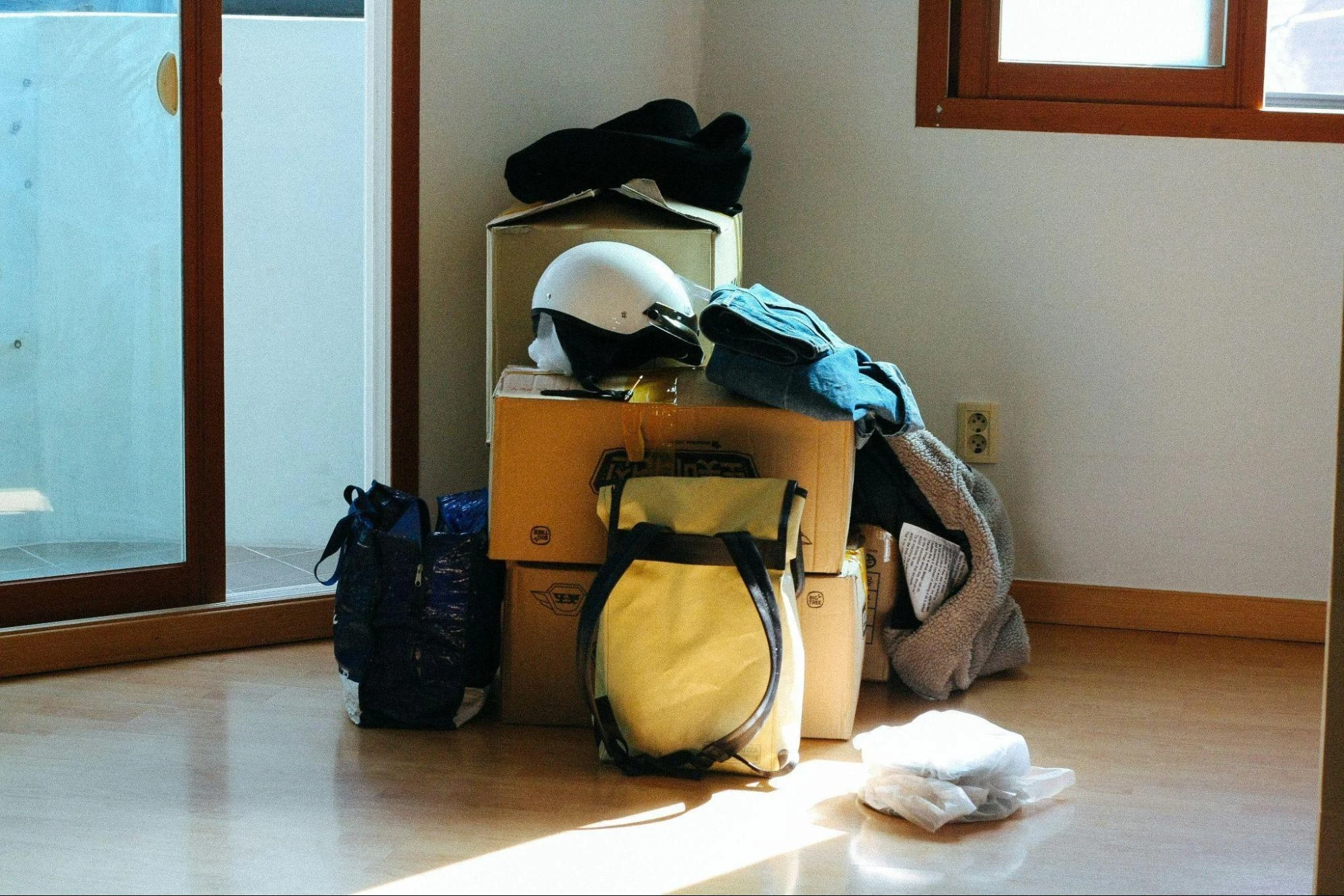
Timing matters. Many students face tight deadlines at the end of semesters, and facilities near college campuses can quickly fill as break dates approach. Planning ahead reduces stress and ensures access to appropriate storage space. Researching storage availability several weeks before a major transition gives students a buffer to pack thoughtfully and coordinate logistics rather than reacting under pressure.
Off-site storage that offers extended access hours or student-friendly appointment scheduling empowers individuals to align storage moves with their existing routines, such as between classes or evening study sessions.
Security and peace of mind
Security is a significant consideration when storing personal belongings off-site. Students may store items with sentimental value, heirlooms, family furniture, electronics, or other possessions they intend to reuse after graduation. Reliable facilities invest in surveillance, controlled access, secure locks, and climate-controlled units when needed. Knowing that items are protected reduces anxiety and allows students to focus more fully on academic priorities.
Insurance options tailored to stored possessions add another layer of assurance. While students may not always think of insuring items in short-term storage, modest coverage helps protect against unexpected events such as water leaks or fire, events that can happen regardless of location.
Financial considerations and budgeting
For many students, budget is a leading concern. Balancing tuition, housing, textbooks, and daily expenses leaves little room for avoidable costs. Storage services that provide transparent pricing, flexible payment options, and clear terms help students plan financially without hidden fees or long-term obligations.
Comparing storage options early in the planning process allows students to balance cost with convenience, for example, choosing between a larger off-campus unit that serves multiple transitions versus periodic short-term rentals that align with semester breaks.
How transitional support ties into long-term student success
Effective transition management extends beyond the immediate physical logistics of moving. When students can streamline tasks such as packing and storage, they conserve mental energy for the core demands of college life, academics, social development, internships, and sleep. This kind of practical support contributes to better overall functioning, which can correlate with stronger academic performance and reduced stress over time.
Furthermore, habits developed around organisation and planning during college often carry over into post-graduation life, whether it’s moving into first apartments, organising professional belongings, or managing household logistics.
Student transitions as part of the broader urban ecosystem
In many cities, universities contribute substantially to local housing markets. High demands for short-term leases, seasonal moves, and frequent relocations influence rental patterns, transportation, and community planning. Storage services that cater to these patterns not only support individual students but also help local ecosystems adapt to the rhythms of academic populations.
By aligning storage availability with peak times in the academic calendar, local services reduce congestion and create smoother transitions for both students and the residential communities that accommodate them.
Frequently Asked Questions (FAQs)
Students often face limited living space and frequent moves, making storage a practical way to manage belongings during transitions.
It’s especially helpful during summer breaks, study abroad terms, internships, and post-graduation relocations.
By decluttering living spaces and securing belongings, storage minimizes logistical pressure and cognitive overload.
Location, security features, flexible lease terms, pricing transparency, and access hours are key factors.
Many student-oriented facilities offer flexible, short-term contracts that align with academic calendars.
Sorting by frequency of use, labeling clearly, and using sturdy, protective materials make storage and retrieval easier.
It can be beneficial for protecting electronics, books, and sensitive items from humidity or extreme temperatures.
Booking several weeks before major semester breaks helps secure space and avoid last-minute stress.
Reputable facilities provide surveillance, controlled access, and secure locks to safeguard items.
Yes, managing belongings thoughtfully during college can build planning and organizational skills useful beyond graduation.