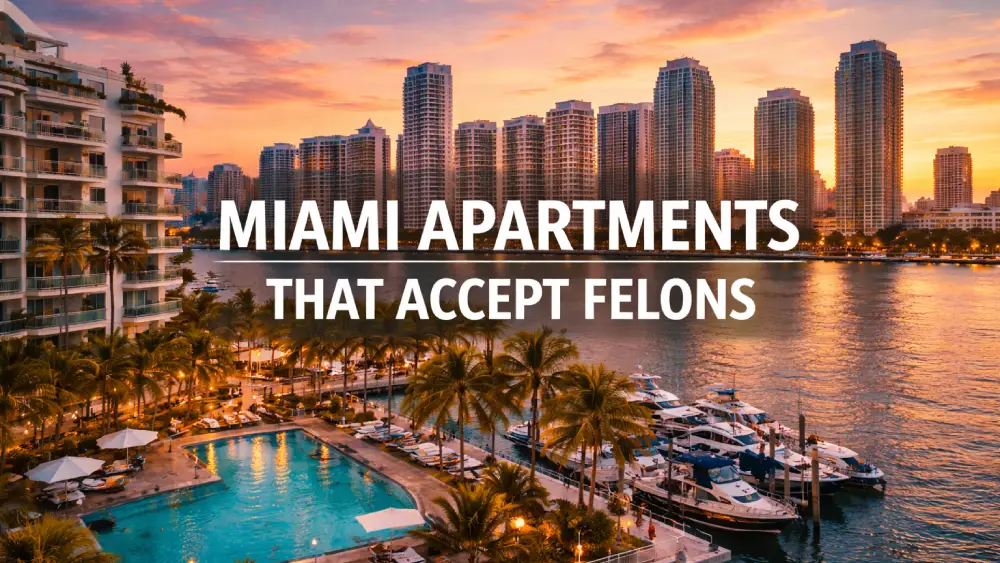
Miami is more than sun, sand, and skyline — it’s a working-class city with tremendous rental demand driven by tourism, healthcare, entertainment, logistics, and corporate relocations. That demand matters when you’re searching for Miami apartments that accept felons, because landlords here feel pressure to keep units occupied. What once would have been an automatic rejection in other markets can turn into a conversation here, especially when income is stable and your application is organized.
Felony records are not instantly disqualifying in Miami, but the way you present your rental history matters more than ever.
Understanding the Local Screening Landscape
When landlords screen applicants in Miami, several things influence their decision:
1. Owner Type Matters
- Large luxury towers and branded communities often use rigid screening systems that flag felony records without nuance.
- Privately owned homes and smaller apartment buildings typically review applications individually and can weigh income, references, and stability more heavily.
2. Local Rental Competition
Miami’s rental market is competitive. Renters need to show more than just income — they need to show reliability.
3. Timing Since Conviction
Older felony records — especially those with proof of rehabilitation — are generally viewed more favorably than recent ones.
This mix of factors means that understanding where to look is just as important as what you include in your application.
How Felony Records Are Usually Evaluated
Most Miami landlords run background checks, but interpretation varies:
- Type of offense: Non-violent offenses typically raise less concern.
- Time passed: A conviction from many years ago is often less significant.
- Income and job stability: Most important factor for privately owned properties.
- Rental references: Recent positive landlord references can outweigh past history.
Owners who know that current income and stability outweigh past mistakes are often willing to consider applicants with felony records.
Neighborhoods with More Flexible Rental Opportunities
While screening standards vary by landlord, some markets naturally lend themselves to more flexibility:
Wynwood
A mixed-use neighborhood with a diverse rental stock and many privately owned properties.
Little Haiti & Allapattah
Neighborhoods with older buildings and local owners who review applications case by case.
Coral Gables & Coconut Grove
Mature neighborhoods with a mix of multi-family buildings and individually owned rentals.
North Miami / Miami Gardens
Suburban-style complexes with less rigid screening and more emphasis on income.
Focusing outside the high-cost Brickell luxury towers can increase your chances of being considered based on your current ability to pay.
Professionals With Insight on Rental Decisions
Below are real estate and property professionals in South Florida who understand the rental landscape — including how owners think about background history.
Michael Valencia – Lamacchia Realty
Phone: (732) 763-5283
With leadership, respect, teamwork, and negotiation skills built over years, Michael offers insight into how property owners evaluate applications and what stands out in difficult rental situations.
Claudio & Robyn Homes – Charles Rutenberg Realty
Phone: (954) 260-5570
A husband-and-wife real estate team focused on personalized service and communication. They understand how local owners set expectations and value stable renters.
Geri Penniman – Premier Estate Properties
Phone: (866) 281-6226
With more than 30 years in the market, Geri’s perspective on property value and owner expectations can help renters understand the decision-making process behind approvals.
Housing Options for Renters With Felony Records
If traditional apartments prove slow to respond, consider these flexible alternatives that help you stay housed while you rebuild rental eligibility:
Airbnb
Monthly or extended Airbnb stays typically bypass background screening, giving you immediate stability while searching for longer-term housing.
Furnished Finder
Mid-term furnished rentals often operate outside standard apartment screening rules, offering a bridge between short-term stays and real leases.
Facebook Marketplace Rooms for Rent
Room rentals directly from private owners often involve fewer automated checks and more personable conversations.
Private Landlords (Off-Market Rentals)
Rentals advertised independently often allow for case-by-case review.
The Guarantors
A lease guarantor service some renters use to reduce owner risk, depending on income and eligibility.
Second Chance Locators
A resource focused on education and guidance for renters facing screening challenges, including felony records, rather than placement.
How to Improve Your Approval Odds
Miami landlords respond positively to preparation and honesty:
- Clear proof of income: Offer letters and recent pay stubs matter.
- Proof of stability: Savings, employment history, or consistent rent payments since your conviction.
- Rental references: Recent landlord or employer references go a long way.
- Concise explanation letter: Focus on facts, not emotion.
- Willingness to offer a higher deposit or prepaid rent: This can reduce perceived risk.
These steps help shift focus from the past to your stability today.
Final Thoughts on Miami Apartments That Accept Felons
Finding Miami apartments that accept felons is not about luck — it’s about insight, strategy, and preparation. Miami is a unique rental market with a blend of owner types, a strong demand for renters, and housing pathways that reward stability over past mistakes.
If you tailor your search to the right neighborhoods, present your application clearly, and explore flexible housing alternatives, you can find a place to call home — even with a felony in your background.
Frequently Asked Questions
Yes, many Miami apartments that accept felons review applications individually instead of issuing automatic denials.
Most do, but the depth and timing of the check varies by landlord and property type.
No, many landlords consider context, time passed, and overall stability rather than just the record itself.
Generally, yes—older convictions with a strong recent history are easier for landlords to evaluate positively.
Disclosure timing matters; sharing at the right stage often leads to better outcomes than oversharing up front.
Yes, private landlords often have more discretion and flexibility in their screening process.
Stable income, strong references, and clear documentation make a significant difference.
Yes, a strong guarantor increases approval chances, especially with a reliable income.
Absolutely—recent consistent rental history can outweigh older issues in many cases.
Timelines vary, but focusing on flexible landlords and being prepared usually shortens the process.