As urban areas become more densely populated and real estate prices continue to climb, many people find themselves navigating the challenges of smaller living spaces. Whether it’s a compact city apartment, a tiny house, or a downsized suburban home, limited square footage requires intentional planning to maintain comfort, functionality, and harmony with daily routines. One strategy that has gained traction in recent years is the use of off-site storage solutions, resources that allow residents to extend their usable space beyond the physical walls of their dwelling.
Off-site storage has evolved from bulky, impersonal units to flexible, accessible systems designed for modern lifestyles. By placing infrequently used items in an external unit, residents can preserve their most valuable floor space for active living. Services such as Top Storage illustrate how storage facilities now cater to both residential and commercial needs, offering options that help people streamline their spaces without feeling compelled to discard possessions.
This article explores practical approaches to maximising small living spaces with off-site storage, how to plan effectively, and why external storage is often a smart component of thoughtful spatial design.
Understanding the role of off-site storage
Off-site storage serves as an extension of the home. It allows individuals to make choices about what remains in their primary living environment versus what can be housed elsewhere without sacrificing usability. In tight interiors, clutter, whether seasonal gear, spare furniture, or archived documents, can make a space feel smaller than it is. By relocating these items to an external unit, residents can reclaim valuable square footage for everyday use.
This strategy aligns with a broader lifestyle shift toward minimalist or purpose-driven living, where items are kept based on necessity rather than convenience alone. Off-site storage provides a buffer between emotional attachment to possessions and the practical requirements of a compact home.
Assessing your storage needs
Before renting an off-site unit, it’s important to assess what items truly belong outside the main living space. A thoughtful assessment might include:
- Seasonal items (holiday décor, winter clothing)
- Sports and outdoor gear
- Large furniture pieces not in daily use
- Archived paperwork or business supplies
- Memorabilia with sentimental value
This evaluation not only clarifies what needs to leave the home but also guides the choice of storage unit size and features.
Measuring items before selecting a unit helps avoid overpaying for space that isn’t needed or moving into a smaller unit that can’t accommodate bulky items. Many storage facilities provide online size guides or interactive tools to help estimate ideal unit dimensions based on a list of belongings.
Choosing the right storage unit
Not all storage units are equally suited to every need. When selecting a unit, consider:
Size and layout
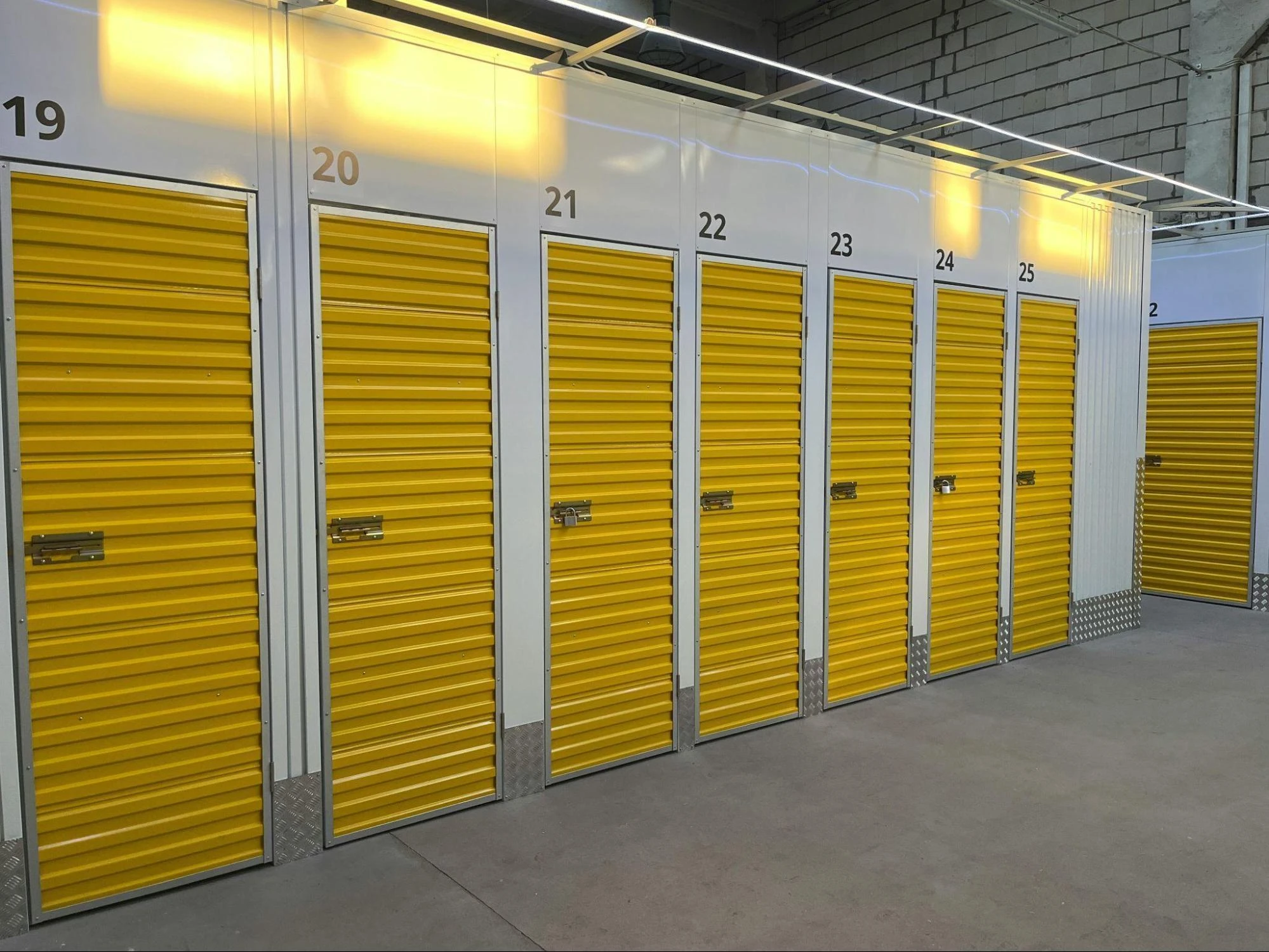
Units range from small lockers to large garages. Choosing the right size ensures that items fit comfortably without wasted space. In some cases, slightly oversizing a unit creates a buffer for future additions, but excessively large units can lead to paying for unused capacity.
Climate control
Climate-controlled units help preserve sensitive items. Temperature and humidity fluctuations can damage wood, electronics, leather, and paper. For archival materials or heirlooms, a climate-controlled environment maintains structural integrity over time.
Accessibility
How often you’ll need to access stored items influences the type of unit and its location. Frequent access warrants easy drive-up entry and proximity to the home. For rarely accessed goods, a facility that offers extended hours but slightly less convenience may be more cost-effective.
Security features
Security is a key consideration, especially for valuable or irreplaceable items. Facilities that offer fencing, surveillance, gated access, and on-site management provide peace of mind and reduce risk.
Organising items for storage efficiency
Packing and organising before placing items into a storage unit can significantly improve space utilisation. Some helpful tips include:
- Use uniform boxes to facilitate stacking and maximise cubic space.
- Label all boxes clearly on multiple sides.
- Create an inventory list with descriptions and a map of where items are placed within the unit.
- Protect furniture and fragile items with appropriate coverings.
- Place heavier items on the floor and lighter items above.
Planning the layout inside the unit, much like planning a room at home, makes retrieval easier and ensures that the most frequently needed items are accessible.
Seasonal rotation and access priorities
One of the advantages of off-site storage is the ability to rotate items based on seasonal needs. Winter clothing, snow gear, and holiday décor can move into storage before summer, while summer recreational equipment returns when the weather warms. This cycle helps keep a small living space functional year-round without overcrowding closets and corners.
Planning seasonal rotation also informs where specific items are placed in the unit. Keeping regularly rotated goods near the front saves time and effort.
Combining storage with interior design
Off-site storage doesn’t need to be a last-resort solution for clutter. It can work in tandem with intentional interior design choices that emphasise openness and comfort. By relocating seldom-used items, interior spaces are freed up for:
- Multi-purpose furniture (e.g., sofa beds, extendable tables)
- Open shelving that displays only current-use items
- Flexible layouts that adapt to work, leisure, or social functions
- Design elements that prioritise light and movement
This synergy between storage planning and design choices enhances overall livability.
Psychological benefits of decluttering
Research suggests that clutter can have a negative effect on stress levels and cognitive load. A study published by the American Psychological Association found that organised environments are often linked to better mood and focus, while chaotic settings can contribute to feelings of anxiety.
Reducing visible clutter through off-site storage can create a calmer living environment. Knowing that items are not discarded but safely housed elsewhere allows individuals to maintain meaningful possessions without overwhelming their daily space.
Cost considerations and budgeting
Cost is an inevitable part of storage planning. Storage units are typically rented on a monthly basis, with pricing influenced by size, features (such as climate control), and location. Urban areas with higher demand often cost more than suburban or rural alternatives.
Budgeting for storage includes:
- Monthly rental fees
- Insurance for stored items
- Packing materials
- Transportation to and from the unit
Comparing facilities based on total cost, not just the advertised price, ensures that budgeting aligns with quality and convenience expectations.
Security and insurance
Items stored off-site remain vulnerable to risks such as theft, water damage, or environmental events. Choosing a facility with robust security measures, including surveillance cameras, gated access, and on-site personnel, helps mitigate these risks.
In addition, standard homeowners or renters insurance may not extend to off-site storage. Confirming coverage with an insurance provider or purchasing supplemental storage insurance ensures that possessions remain protected.
Long-term versus short-term storage planning
The duration of storage impacts unit choice and organisation approach. Short-term needs, such as between moves, emphasise accessibility and flexibility. Long-term storage may prioritise protection from environmental factors and a more methodical organisation strategy.
Planning the duration also influences seasonal rotation and budgeting, as extended rental costs can accumulate over time.
Storage as part of lifestyle optimisation
Beyond practicality, off-site storage can become part of a broader lifestyle optimisation strategy. People who travel frequently, shift between remote work and urban living, or embrace minimalism find that storage supports flexibility rather than restriction.
Rather than viewing storage as a cost, many users see it as an investment in personal space, comfort, and daily functionality.
Small space transformation
Consider a couple living in a 600-square-foot apartment. With limited closet space, holiday decorations, spare bedding, and recreational gear crowded their living area and closets. By relocating these seldom-used items to an off-site unit, the couple transformed their home:
- Closets became functional for daily wardrobe
- Living room space opened up for work-from-home needs
- Seasonal décor was accessible but out of sight
- Storage rotation became part of their routine
This transformation reduced stress and improved the usability of every square foot of their home.
Planning for future flexibility
As living needs evolve, off-site storage provides a flexible buffer. Life events such as moving, family growth, or career changes often trigger storage needs. Having an established storage strategy helps manage transitions without upheaval.
Being able to adapt spaces based on changing priorities, without losing access to important belongings, is a key advantage of proactive storage planning.
Frequently Asked Questions (FAQs)
Off-site storage involves renting an external unit to store items not needed daily, freeing up valuable space inside a small home.
Seasonal décor, sports equipment, spare furniture, archived documents, and sentimental items are ideal for off-site storage.
Measure large items, estimate the number of boxes, and use facility size guides to avoid overpaying or selecting a unit that’s too small.
Climate control is recommended for items sensitive to temperature and humidity changes, such as electronics, wood furniture, and paper documents.
Access frequency depends on your needs; seasonal items may only require visits a few times a year, while business supplies may need more regular access.
Reputable facilities offer security features like gated access, surveillance cameras, and on-site management to protect stored belongings.
Coverage varies by policy, so it’s important to confirm with your insurer or purchase supplemental storage insurance if needed.
Use uniform boxes, label clearly, create an inventory list, and arrange items strategically with frequently accessed belongings near the front.
It can be cost-effective when it enhances daily living comfort, but long-term rentals should be budgeted carefully to avoid unnecessary expenses.
Yes, reducing visible clutter can lower stress levels and create a more organized, calming living environment.