Smart home technology is no longer a luxury reserved for homeowners, and in 2026 it is reshaping apartment living in meaningful ways. Many renters are now exploring how connected systems work together, and resources like the Alexa and Total Connect 2.0 integration guide help explain how voice assistants can control security systems, automation features, and daily routines within a single platform. As apartments evolve to meet modern expectations, the integration of smart tools is becoming a defining feature of comfortable and efficient living spaces. This shift is not only about convenience but also about creating safer and more responsive environments for residents.
The Rise of Connected Apartment Ecosystems
Apartment living has traditionally been limited by what tenants could install or modify, but smart home technology is changing that restriction. Wireless devices, app-based controls, and cloud-connected systems now allow renters to create fully integrated setups without permanent alterations. This flexibility makes it easier for residents to personalize their spaces while still complying with lease agreements.
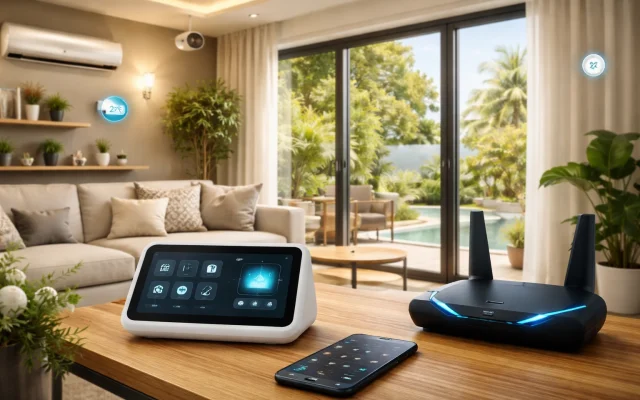
In 2026, connected ecosystems are becoming standard rather than optional in many apartment communities. Tenants can link lighting, thermostats, and security devices into one interface that works seamlessly together. This interconnected approach improves daily efficiency and allows residents to manage their entire home environment from a single device.
Security and Peace of Mind for Modern Renters
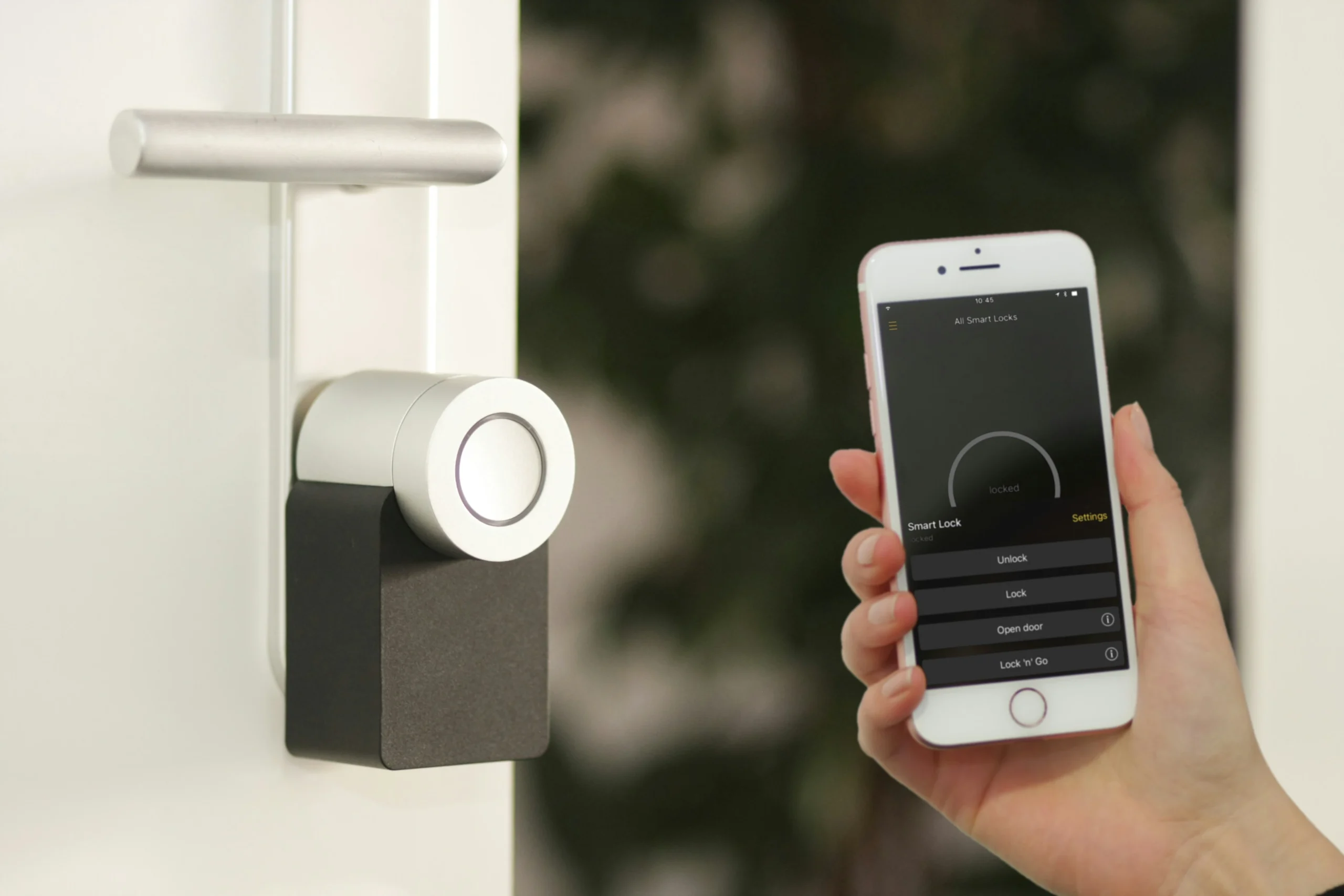
One of the most significant impacts of smart home technology in apartments is enhanced security. Traditional locks and alarm systems are being replaced or supplemented with smart sensors, mobile alerts, and remote monitoring capabilities. These tools give renters greater awareness and control over their living spaces, even when they are away.
Voice-controlled security systems are also gaining traction among apartment residents. By integrating systems with voice assistants, tenants can arm alarms, check door status, or receive updates using simple commands. This added layer of convenience strengthens overall safety while making security management more accessible to everyday users.
Convenience That Fits a Fast Paced Lifestyle
Modern renters value time-saving solutions, and smart home technology delivers on that expectation. Automated routines allow residents to schedule lights, adjust temperatures, and control devices based on their daily habits. This reduces manual tasks and creates a smoother living experience that adapts to individual lifestyles.
The convenience extends beyond simple automation into full remote control. Whether someone is at work, traveling, or relaxing in another room, they can manage their apartment through mobile apps or voice commands. This level of accessibility transforms how people interact with their living spaces and reduces the friction of everyday tasks.
Energy Efficiency and Cost Awareness
Smart home technology is also helping apartment residents become more energy-conscious. Devices such as smart thermostats and lighting systems provide real-time insights into energy usage, enabling tenants to make informed decisions. This not only supports sustainability but can also lead to noticeable savings on utility bills.
In 2026, energy efficiency is a major selling point for both renters and property managers. Apartments equipped with smart systems appeal to environmentally aware tenants who want to reduce their footprint. By automating energy use and minimizing waste, these technologies contribute to a more responsible, cost-effective way of living.
The Role of Property Managers in Smart Adoption
Property managers are increasingly recognizing the value of integrating smart technology into apartment offerings. Providing pre-installed smart features can attract tech-savvy tenants and improve overall satisfaction. It also positions properties as forward-thinking and aligned with current living trends.
At the same time, managers must balance innovation with usability and support. Ensuring that systems are easy to use and compatible with common platforms is essential for widespread adoption. When implemented correctly, smart technology enhances both the resident experience and the long term appeal of the property.
Looking Ahead at Apartment Living
The future of apartment living is closely tied to the continued advancement of smart home technology. As devices become more intuitive and interconnected, renters can expect even greater levels of customization and control. This evolution will likely redefine what people consider essential features in a rental property.
In the coming years, the line between traditional apartments and fully smart living environments will continue to blur. Technology will not just support daily life but actively improve it by anticipating needs and simplifying routines. For renters in 2026, smart home integration is no longer a trend but a fundamental part of modern living.
Frequently Asked Questions (FAQs)
Smart home technology in apartments refers to connected devices like smart locks, lights, and thermostats that can be controlled remotely or through automation systems.
Yes, most smart devices are wireless and designed for easy installation without permanent modifications, making them renter-friendly.
It enhances security through features like motion sensors, smart locks, and real-time alerts that allow tenants to monitor their homes remotely.
Costs vary, but many affordable options exist, and renters can start with basic devices and expand over time based on their budget.
Yes, many systems integrate with voice assistants, allowing users to control lighting, security, and appliances using simple voice commands.
Yes, smart thermostats and lighting systems optimize energy usage, helping renters save on electricity and heating costs.
Most modern devices are designed for easy setup with user-friendly apps and step-by-step instructions.
Renters can usually take their personal smart devices with them, as long as they are not permanently installed.
Yes, many apartment complexes now include smart features as standard amenities to attract modern renters.
Many property managers encourage it and even provide built-in systems, but policies can vary, so it’s best to check lease agreements first.