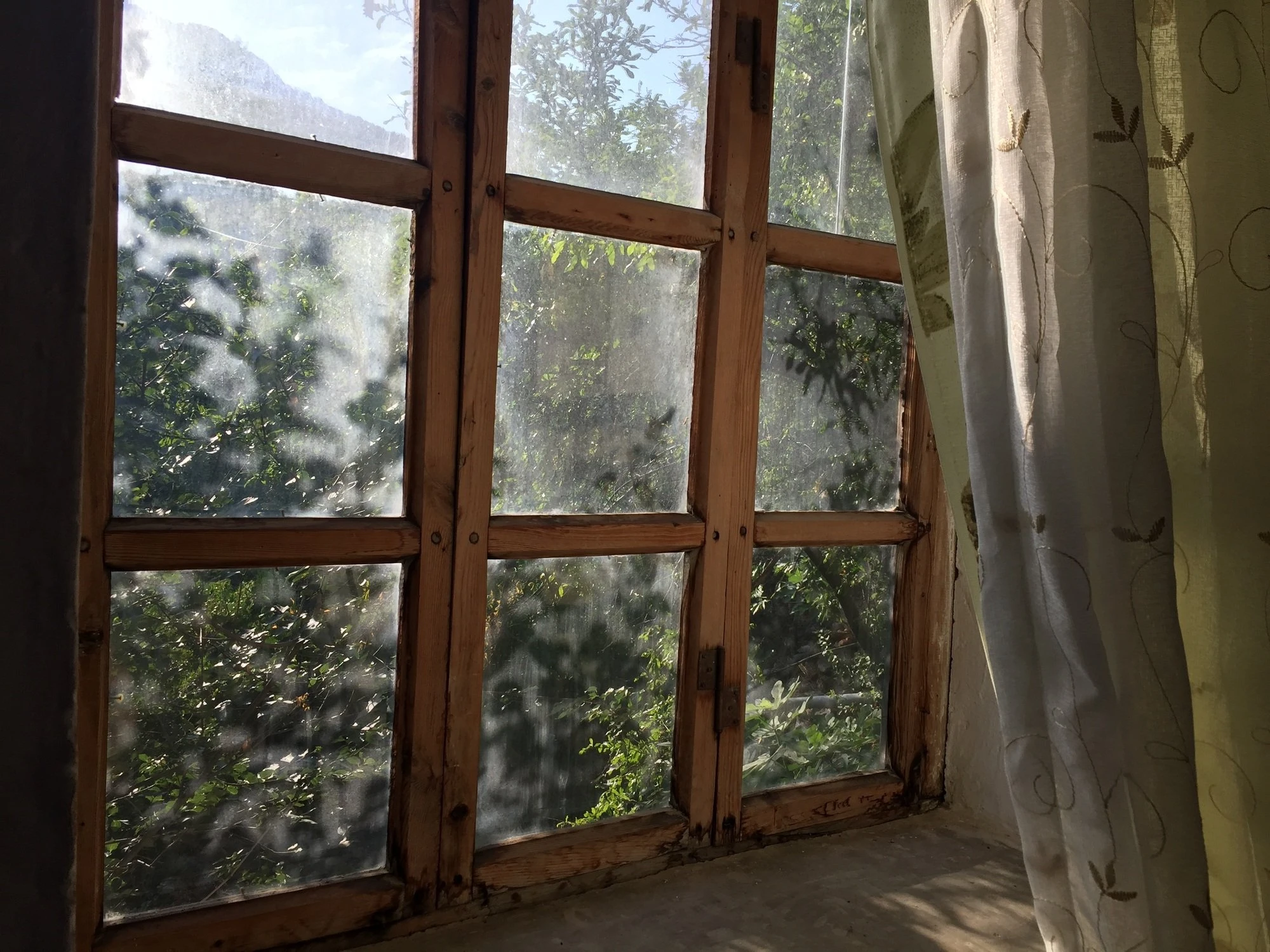
Selecting the right windows involves checking styles, materials, and local weather needs. Many people focus on price alone, but performance matters just as much. Modern glass technology keeps homes comfortable and lowers monthly bills.
To boost property value and curb appeal, think about long-term benefits before making your decision. Homeowners find the process simpler when they break down each feature step by step. A smart choice today prevents costly repairs later on.
Selecting The Best Frame Materials
Wood frames offer a classic look that many people love and provide natural insulation, but still require regular painting or staining to prevent rot. Many owners prefer the traditional aesthetic of real timber. Vinyl resists moisture and does not need painting. Manufacturers use high-grade plastics that do not warp or peel in the sun.
Fiberglass offers extreme durability and mimics the look of wood. This material expands and contracts at a rate similar to glass, which helps the seals stay tight. Aluminum provides strength and slim profiles for modern designs. It works well for large spans of glass where structural integrity is a must.
Understanding Impact Resistance For Coastal Homes
Storm protection is a top priority for houses in hurricane zones. High-performance Cat 5 windows provide a shield against flying debris during the worst weather events. Stronger glass keeps the house sealed and prevents internal pressure from blowing off the roof.
Local building codes require specific ratings for new installations. Check the labels to see if the product meets local safety standards. Laminated glass stays in the frame even if it cracks. Heavy winds can put incredible stress on the exterior of a building.
Maximizing Energy Efficiency With Advanced Glazing
Energy bills drop when old, drafty glass gets replaced. Glazing refers to the glass panes and the space between them. Triple-pane windows are the top choice for performance, providing 20 to 30% better thermal results than high-quality double-pane units. A third layer of glass creates an extra barrier against heat transfer.
Argon or krypton gas fills the gaps to slow down thermal movement. Modern units work hard to keep the indoor climate stable regardless of the outside temperature. Spacers between the panes keep the edges sealed tight. High-performance glass pays for itself through energy savings.
Protecting Your Interior From Sun Damage
Sunlight can fade furniture and flooring over just a few years. Coating the glass with special layers can block harmful light. Advanced Low-E glass blocks UV rays and reduces heat gain by as much as 45%. Low-E stands for low emissivity, which is a thin metallic layer on the glass surface.
Clear views do not have to mean letting in excessive heat. The house stays cooler during the day without closing all the blinds. Keeping the interior protected preserves the value of your home decor.
Budgeting For Your Window Replacement Project
Pricing varies based on the size and type of the window. Market data for the current year shows the average cost to replace a window falls between $700 and $1,200 when you factor in labor and materials. Total project prices reach several thousand dollars for a full house. A realistic budget helps you narrow down the best materials for your needs.
Professional installation is worth the price to prevent future leaks or drafts. Financing options are available through local contractors. Get at least three quotes to compare different services. High-end materials cost more upfront but last much longer.
Choosing The Right Style For Your Architecture
The shape of the window should match the architectural style of the building. Double-hung units are the most common in traditional homes and allow for easy cleaning. Casement windows swing outward and provide excellent ventilation for kitchens or bathrooms. Fixed windows work well for large areas where you want a clear view but no airflow.
- Awning windows hinge at the top and keep rain out when open.
- Sliding windows move horizontally and save space on patios.
- Picture windows provide large, unobstructed views of the outdoors.
- Bay and bow windows create extra space inside the room.
Proper ventilation will maintain healthy air quality indoors. Some styles are easier to operate for people with limited mobility.
Maintenance Requirements For Different Window Types
Every material needs some level of care to last. Cleaning the glass is a standard task for any homeowner. Moving hinges and locks should be checked once a year. Lubricating these tracks keeps the sash moving smoothly without sticking.
Seals can wear down and let air or moisture inside the frame. Replacing old weatherstripping can keep things airtight.
- Wooden frames need a fresh coat of sealant every few years.
- Vinyl frames only require a quick wipe with soapy water.
- Drainage holes in the tracks should be kept clear of dirt.
- Hardware should be tightened if it feels loose during use.
Regular inspections catch small issues before they turn into expensive repairs. Proper care extends the life of the product and maintains the warranty. Ignoring small leaks can cause water damage to the walls. Keeping everything clean makes the house look well-kept from the street.
Measuring For A Perfect Fit
A small error can result in gaps that let in water and insects. Professionals take measurements from several points to account for settling. Older homes might have openings that are no longer perfectly square. Custom-sized units might cost more, yet they provide a much better seal.
Fitting a standard size into a non-standard opening rarely works well. Trusting a professional to handle the tape measure saves a lot of stress. They know how to account for the frame depth and the thickness of the trim. Getting the fit right is the only way to make sure the unit performs as promised.
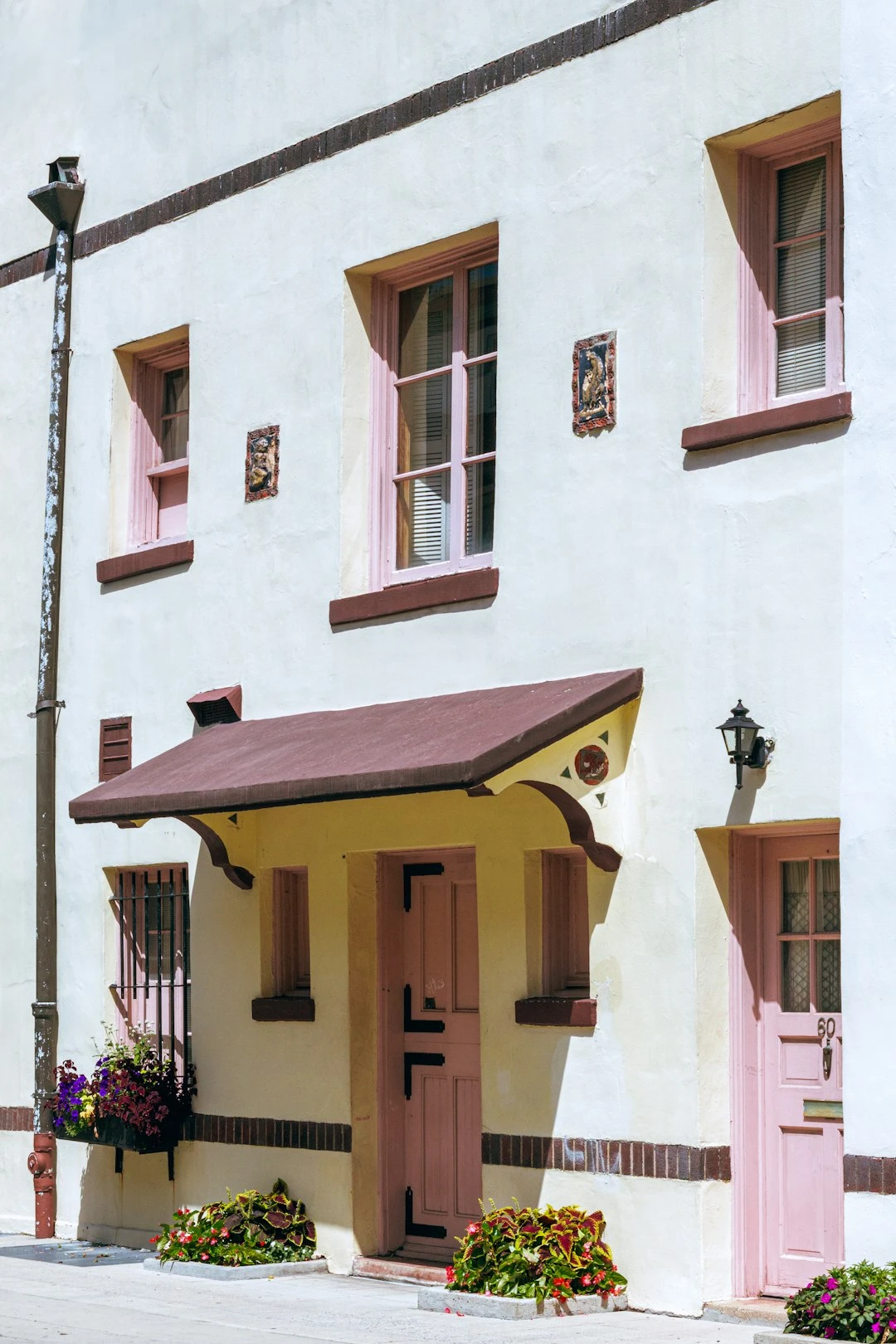
Replacing windows is a big project that pays off in comfort and savings. Taking the time to research frames and glass types will make your home look refreshed and stay protected from the elements.
High-quality products affect how you enjoy your living space. Focus on value and performance to get the most out of your upgrade. New windows are the smartest investment to modernize your property and save money.
Frequently Asked Questions (FAQs)
Triple-pane windows with Low-E coatings and gas fills like argon or krypton offer the highest level of energy efficiency.
Fiberglass frames are among the most durable and can last decades with minimal maintenance.
Vinyl windows require less maintenance and resist moisture, while wood windows offer a classic appearance but need regular upkeep.
Yes, impact-resistant windows help prevent debris penetration and reduce internal pressure that can damage the structure.
Most homeowners spend between $700 and $1,200 per window, including labor and materials.
Low-E glass uses a thin metallic coating to block UV rays and reduce heat transfer while still allowing natural light inside.
Choose a style that matches your home’s architecture and meets your ventilation and accessibility needs.
Basic maintenance like cleaning, checking seals, and lubricating hardware should be done at least once a year.
Proper installation prevents drafts, leaks, and long-term structural damage caused by poor sealing.
Yes, high-quality, energy-efficient windows improve curb appeal and can boost property value over time.