It’s easy to spend money on your home and still feel like you didn’t get much back. A new tile pattern, a trendy light fixture, or a bold paint color might look great for a while, but it doesn’t always make your home more valuable. Most homeowners don’t want to guess anymore. They want improvements that make daily life easier and also help if they sell later. The good news is you don’t need a full remodel to add real value. You just need the right upgrades in the right order. In this article, you’ll learn which home improvements give you the best payoff in comfort, function, and buyer appeal, without wasting money on things that don’t truly matter.
Outdoor Areas Buyers Actually Use
An outdoor living space adds value when it feels safe, comfortable, and ready to enjoy. Many homeowners build outdoor areas that look great in photos but don’t work well day to day. AZEK decking is a popular option because it’s designed to hold up over time and it doesn’t need the same routine scraping, staining, or sealing that wood often does. It also comes in a wide range of colors and finishes, so homeowners can get a clean, modern look or something more traditional. No matter what material you choose, focus on the basics first. Make sure stairs feel sturdy, railings feel secure, and walking surfaces aren’t slippery or uneven. Add lighting near steps and doors so the space feels usable at night. An AZEK deck installer can also help you plan the layout and finishing details so the space feels truly finished, not just built. When your outdoor area feels comfortable and safe, it becomes a feature buyers remember for the right reasons.
Kitchen Updates That Make Sense
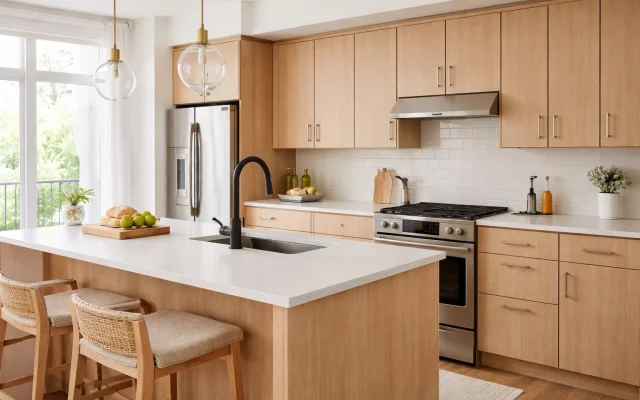
A kitchen can add value, but only if the changes improve function and not just looks. Many homeowners think they need a full remodel, but simple upgrades often do more for the money. Start with the things people use every day. If your faucet leaks or your sink looks stained, replace them. If your lighting makes the counters feel dark, swap in brighter fixtures. Old cabinet hardware can date the whole room, so updating knobs and pulls gives an instant refresh. If the cabinets are solid, don’t replace them. Paint them or clean them well and focus on a clean finish. The goal is a kitchen that feels easy to use and easy to maintain.
Bathrooms That Feel Clean and Modern
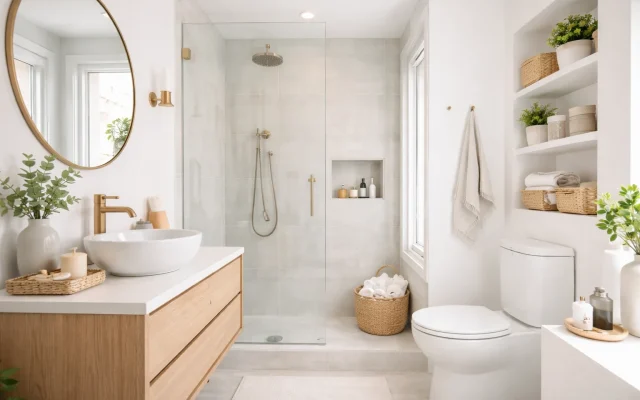
Bathrooms can lose value quickly when they look worn out, even if everything still works. That’s because buyers connect bathrooms with cleanliness and comfort. Start by replacing anything that looks tired, like a yellowed vent cover, a rusty light fixture, or peeling caulk. Re-caulking around tubs and showers is a small job that makes a big difference in appearance. Fix slow drains and dripping faucets, because those make the space feel neglected. If your mirror is spotted or outdated, swap it for a simple one with a clean frame. Good lighting matters here more than people think. A bright bathroom feels newer and larger. When the bathroom looks fresh and easy to care for, it supports your home’s value.
Create Space Without Adding Rooms
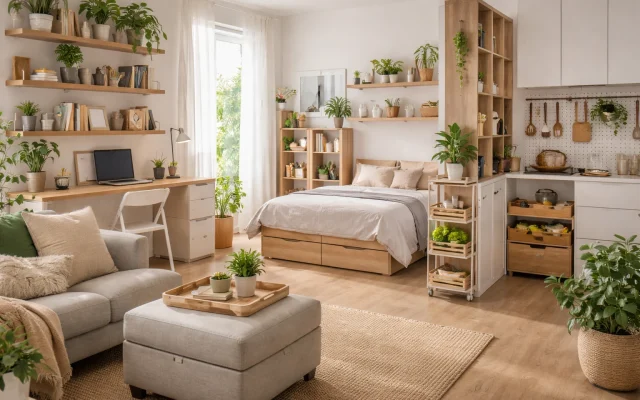
More space adds value, but you don’t always need an addition to get it. Often, the best move is making better use of what you already have. Start by finding areas that feel wasted, like a wide hallway, a corner of the basement, or a spare room that collects clutter. A small home office setup can attract buyers and help you right now. In a basement, finishing just one section can create a family room or workout area without the cost of a full remodel. Even improving storage helps value, because it makes the home feel more livable. Add shelves, better lighting, or simple flooring in storage areas. When rooms feel flexible and useful, your home feels bigger and more appealing.
Smart Energy Upgrades People Notice
Energy upgrades add value when they improve comfort in a clear way. Start with drafts, because buyers and homeowners both notice them right away. Replace worn door sweeps, add weather stripping, and seal gaps around windows. If some rooms always feel hotter or colder than others, check attic insulation and air leaks first. These fixes can make the home feel more even and comfortable without a major renovation. A programmable or smart thermostat also helps, since it makes heating and cooling easier to manage. Just make sure it’s installed correctly and works with your system. Simple upgrades like LED bulbs and modern fixtures can also improve value because they brighten the home and reduce frequent bulb changes.
Exterior Fixes That Protect Your Home
Exterior upgrades add value when they prevent damage, not just when they look good. Water management matters most. If gutters sag, overflow, or dump water near the foundation, fix that early. Extend downspouts so water flows away from the house, and make sure the ground slopes away from the foundation when possible.
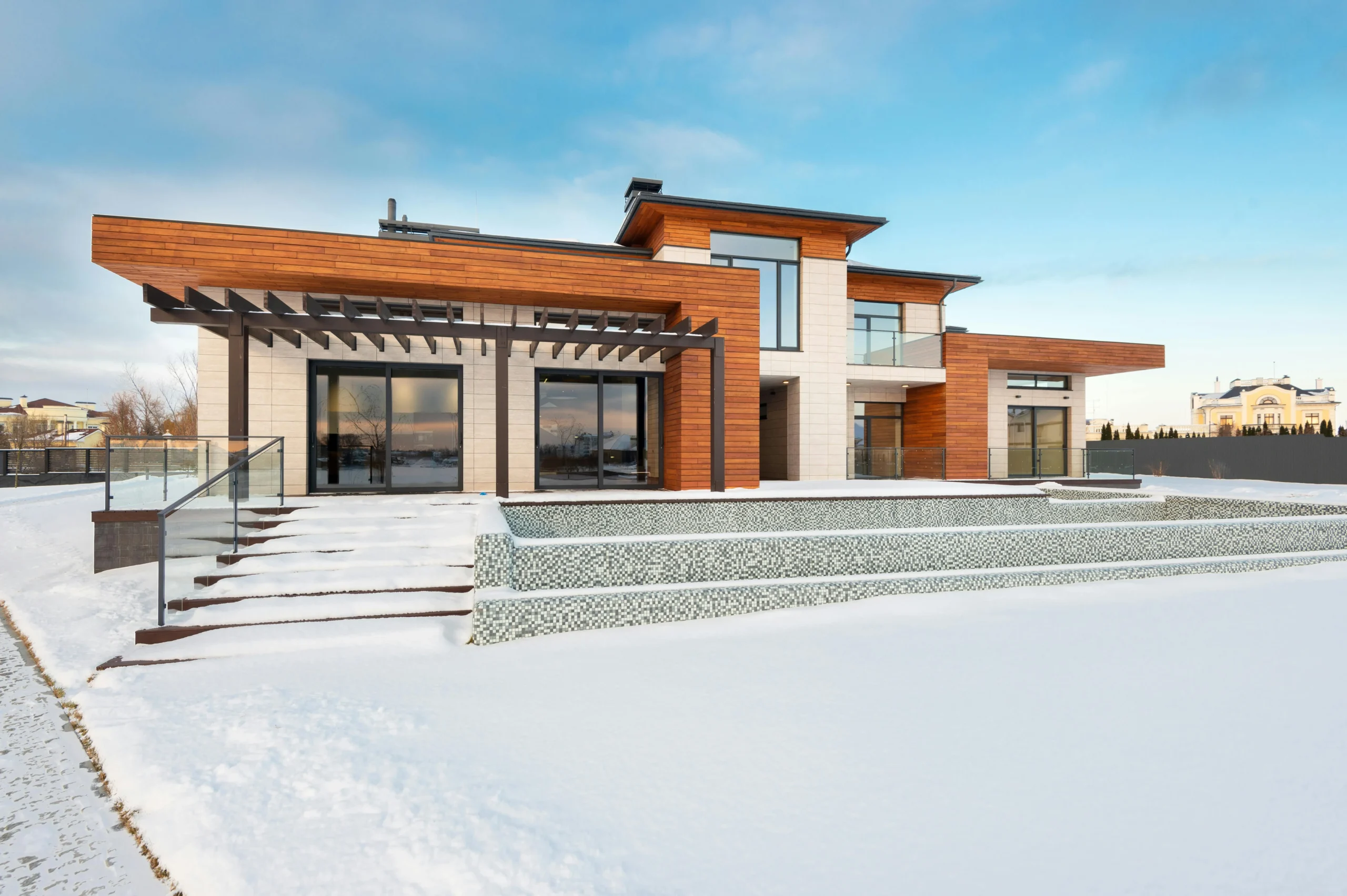
If parts of the exterior need more than a small repair, it can also make sense to compare longer-lasting surface materials that improve both protection and appearance. Options like natural stone, manufactured stone, and brick-style finishes are often used to give exterior walls a cleaner and more solid look while helping them hold up better over time. Homeowners who want to explore brick-related options for façade updates or accent areas can review sources like https://ixlbuild.com/categories/brick/ as part of that research before choosing the material that best fits their home.Taking time to compare materials carefully can help homeowners choose an option that looks good and stays durable for years.
Check for cracked siding, loose trim, and peeling paint, because these can let moisture in. Roof issues also hurt value fast, especially missing shingles, soft spots, or flashing problems near chimneys and vents. Even small repairs can change how buyers view the home. A clean, well-maintained exterior signals that the home is cared for, and it helps prevent expensive problems later.
Fix What Makes Buyers Nervous
Before you spend on upgrades, handle the things that make a home feel risky. Buyers notice signs of damage quickly, even if they don’t understand the cause. Water stains on ceilings, soft spots on floors, cracked drywall, and loose railings raise questions fast. Even if your kitchen looks updated, these issues can make people wonder what else might be wrong. Start by walking through your home like you’re seeing it for the first time. Look for anything that looks worn out, uneven, or poorly patched. Then fix it properly, not with a quick cover-up. A home that feels solid and cared for always has a stronger value than one that only looks stylish.
Home improvements add real value when they solve real problems. The best upgrades make your home feel safer, easier to live in, and less stressful to maintain. Start with repairs that worry buyers, then improve key spaces like the entry, kitchen, and bathroom. After that, focus on comfort upgrades like insulation, sealing drafts, and improving lighting. Don’t forget the exterior, because water and weather issues can undo a lot of interior work. Outdoor spaces help too, as long as they feel solid and usable. If you keep your choices simple and practical, you’ll end up with a home that looks better, functions better, and holds its value over time. Smart upgrades don’t have to be flashy. They just need to make sense.
Frequently Asked Questions (FAQs)
Improvements that fix functional issues, improve safety, and enhance daily comfort tend to add the most value.
No, smaller upgrades like lighting, fixtures, and repairs often deliver better returns than major remodels.
Yes, when they are safe, durable, and easy to use, outdoor spaces become strong selling points.
Simple improvements like updated hardware, better lighting, and functional fixtures usually add more value than a full renovation.
Bathrooms matter a lot because buyers associate them with cleanliness, maintenance, and overall comfort.
Yes, better storage makes a home feel more spacious and livable, which appeals to buyers.
Energy upgrades add value when they noticeably improve comfort and reduce drafts or uneven temperatures.
Water management, roof repairs, and siding maintenance should come before cosmetic exterior upgrades.
Minor issues can make buyers worry about hidden problems, which can reduce perceived value quickly.
Focus on improvements that solve real problems and make the home easier to live in and maintain.