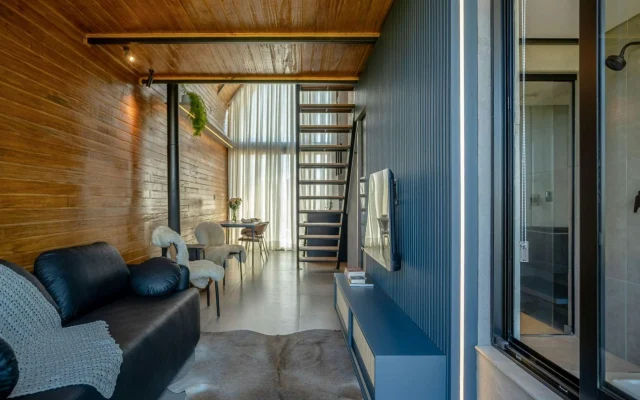
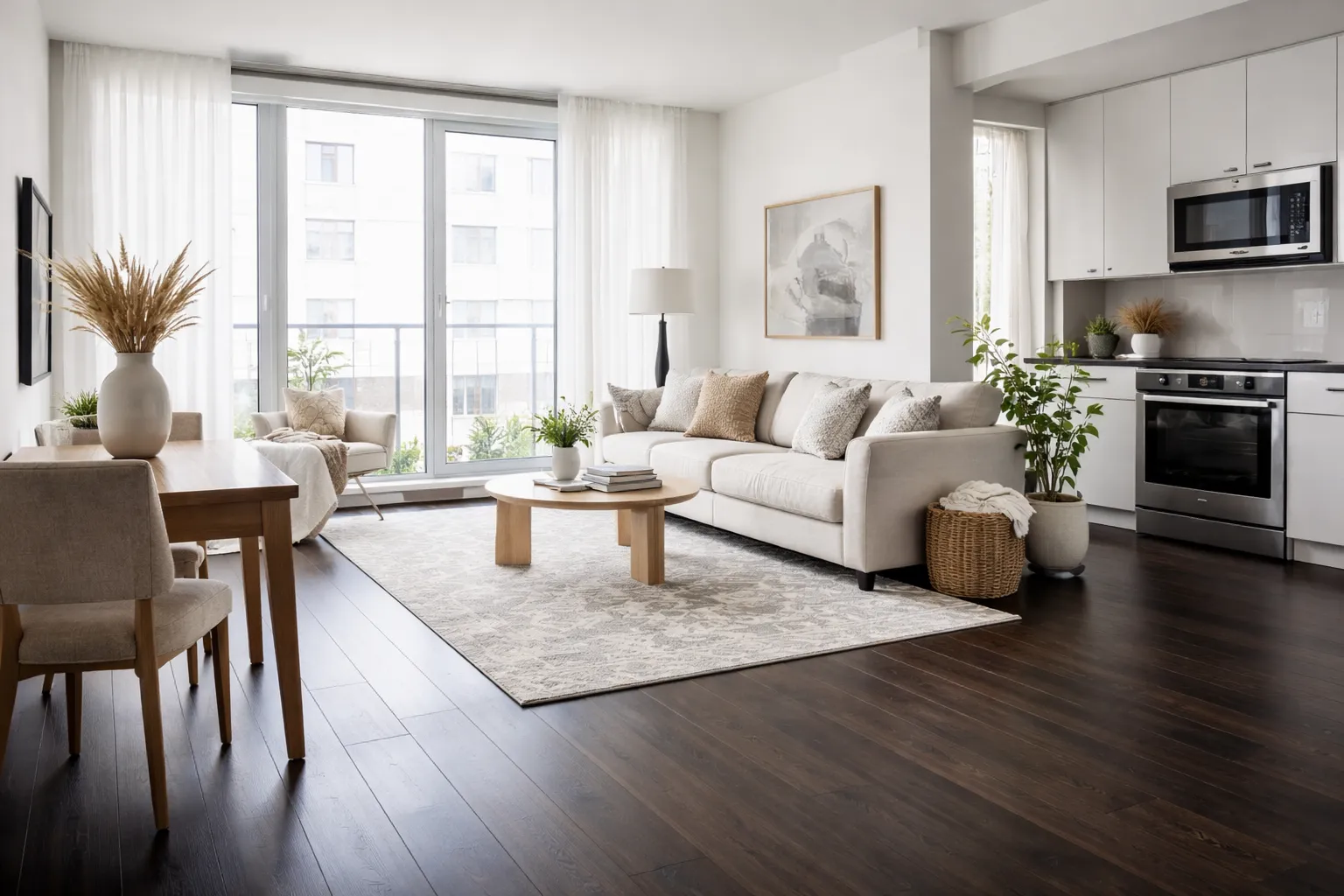
Dark flooring has become increasingly popular in modern interiors. From deep walnut to charcoal-stained oak, it adds sophistication and depth to a room.
Many apartment dwellers hesitate, worried dark floors might:
- Make spaces feel smaller
- Show every speck of dust
- Clash with furniture
Understanding how dark floors interact with light, layout, and design can help you decide if they’re right for your space.
Why Dark Floors Are Gaining Popularity
The aesthetic appeal: warmth, sophistication, and contrast
Dark floors create a strong visual foundation. They:
- Make a space feel grounded and polished
- Offer striking contrast against lighter walls or furnishings
- Enhance elegance in contemporary apartments with clean lines and minimal clutter
Even in traditional or eclectic interiors, they provide a neutral backdrop that lets furniture, rugs, and décor take center stage.
How dark flooring complements different interior styles
Dark floors are versatile:
- Modern apartments: Pairing dark hardwood with white walls and metallic accents creates a crisp, contemporary look.
- Classic or traditional spaces: Rich espresso or mahogany floors complement warm-colored furniture and brass fixtures.
They work as a canvas for multiple design directions rather than locking you into one aesthetic.
Balancing space perception
A common concern is whether dark flooring makes an apartment feel smaller. While dark surfaces do absorb light, the dark floor effect can be positive when handled thoughtfully.
- With good lighting, dark floors can make spaces feel cozy rather than cramped.
- Lighter walls, mirrors, and well-chosen rugs help offset heaviness while maintaining openness.
Understanding the dark floors’ effect helps in planning furniture, lighting, and color choices so your apartment feels inviting rather than closed in.
Common Concerns About Dark Flooring in Apartments
Making small spaces feel cramped
Smaller apartments can feel heavy if dark floors dominate without balance.
- Use lighter wall colors and reflective surfaces.
- Even a small studio can handle dark flooring when paired with white or pastel walls, open shelving, and thoughtfully placed lighting.
The floor can become a statement piece without overwhelming the room.
Maintenance and visibility of dust or scratches
Dark flooring shows dust, pet hair, and minor scratches more readily than lighter options.
- High-traffic apartments may require more frequent upkeep.
- Regular sweeping or a lightweight vacuum keeps floors clean.
- Durable finishes help minimize visible scratches.
Consider how much maintenance you’re comfortable with before committing to a darker shade.
Matching furniture and color palettes
Coordinating furniture and décor with dark floors requires planning.
- Light-colored rugs, seating, or tables create contrast and prevent heaviness.
- Earth-toned furnishings complement the warmth of dark wood.
- Metal or glass accents add texture and visual interest.
Proper color planning keeps the space cohesive rather than cluttered.
How to Make Dark Floors Work in Your Apartment
Lighting strategies: natural vs. artificial
Lighting is key to balancing dark floors:
- Natural light: Large windows, sheer curtains, and skylights make dark floors feel inviting.
- Artificial light: Layered lighting—overhead fixtures, task lamps, and accent lights—keeps spaces bright and highlights textures.
- Warm LED bulbs enhance wood richness without creating harsh contrasts.
Rugs, furniture, and layout considerations
- Rugs break up dark floors, define areas, and introduce color or pattern.
- Lighter or patterned rugs work well in living rooms and bedrooms.
- Keeping larger furniture slightly elevated allows light to reach the floor and preserves openness.
Balancing wall and ceiling colors
Wall and ceiling colors prevent dark floors from feeling heavy:
- Soft neutrals, pale grays, or creams provide contrast and enhance depth.
- Lighter ceilings reflect light downward, balancing the room.
Real-Life Apartment Examples and Design Inspiration
Studio apartments with dark floors
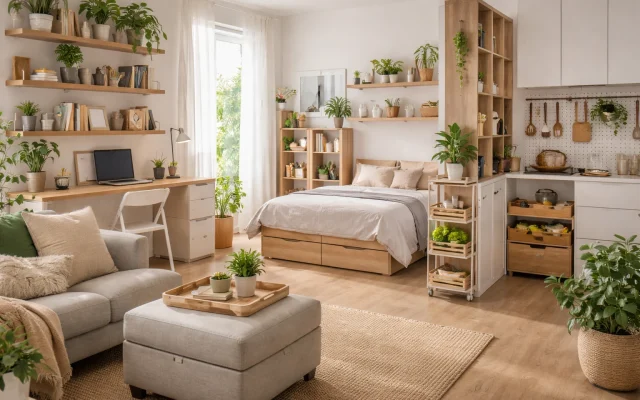
- Dark flooring can unify compact studios.
- Pair with modular furniture, light walls, and multifunctional pieces to make the space feel larger.
- A small dining area stands out with a bright rug or light-colored table on the dark floor.
Living rooms and bedrooms that feel spacious
- In living rooms, dark floors paired with light sofas, open shelving, and mirrors create depth without sacrificing openness.
- Bedrooms benefit from contrast with lighter bedding and textiles, giving a cozy, grounded feel.
Incorporating accent pieces and textures
Adding textures and accents prevents dark floors from dominating:
- Metallic décor, textured rugs, and colorful cushions break up the dark surface.
- Even small touches like a woven basket, light throw, or decorative lamp make the floor feel part of the overall design.
Bottom Line: Is Dark Flooring Right for You?
Choosing dark flooring in an apartment comes down to balancing style, lighting, and functionality.
- Dark floors can make a room feel intimate and sophisticated.
- Thoughtful planning prevents heaviness and reduces maintenance challenges.
- Consider how light, walls, furniture, and rugs interact before making a decision.
By evaluating your space and lifestyle, you can enjoy dark flooring without sacrificing comfort or openness.
When incorporated thoughtfully, dark floors work beautifully in apartments. Paying attention to the dark flooring effect and balancing light, texture, and color helps create a home that feels both stylish and livable.
Frequently Asked Questions (FAQs)
Dark floors can make a space feel smaller if poorly balanced, but with good lighting and light-colored walls they often feel cozy and well-defined instead.
Not necessarily—small apartments can handle dark floors when paired with bright walls, mirrors, and thoughtful furniture placement.
Yes, dust, pet hair, and debris are more visible on dark flooring, so regular sweeping or vacuuming is usually needed.
They may require more frequent cleaning, but durable finishes and routine upkeep make maintenance manageable.
Light neutrals like white, cream, beige, or pale gray create contrast and prevent the room from feeling heavy.
Absolutely—dark floors pair especially well with modern interiors that use clean lines, light walls, and minimal décor.
Light-colored furniture, earth tones, and materials like glass or metal balance the depth of dark floors nicely.
Yes, rugs break up the dark surface, add warmth, and help define spaces while keeping the room visually balanced.
Very much so—layered lighting and natural light help prevent dark floors from making a space feel dim or enclosed.
They can be, especially if already installed, but renters should consider lighting, maintenance habits, and furniture compatibility before committing.