Living in a small apartment doesn’t mean living small. With the right mindset and a few clever strategies, even the most compact space can feel open, functional, and genuinely stylish. The secret isn’t more square footage — it’s smarter use of the square footage you already have.
Think Vertical: Your Walls Are Untapped Real Estate
Most people furnish their apartments from the floor up, completely ignoring the six or eight feet of wall space above eye level. That’s a missed opportunity.
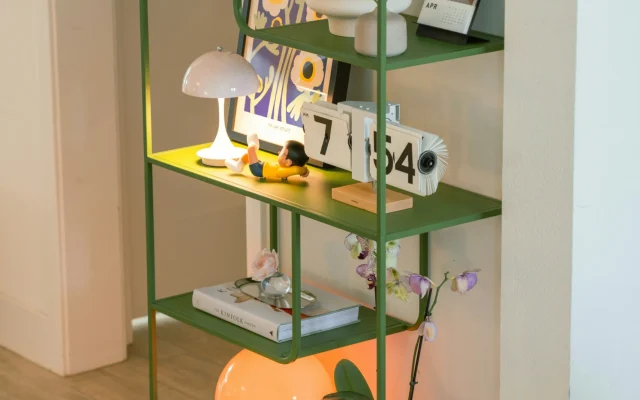
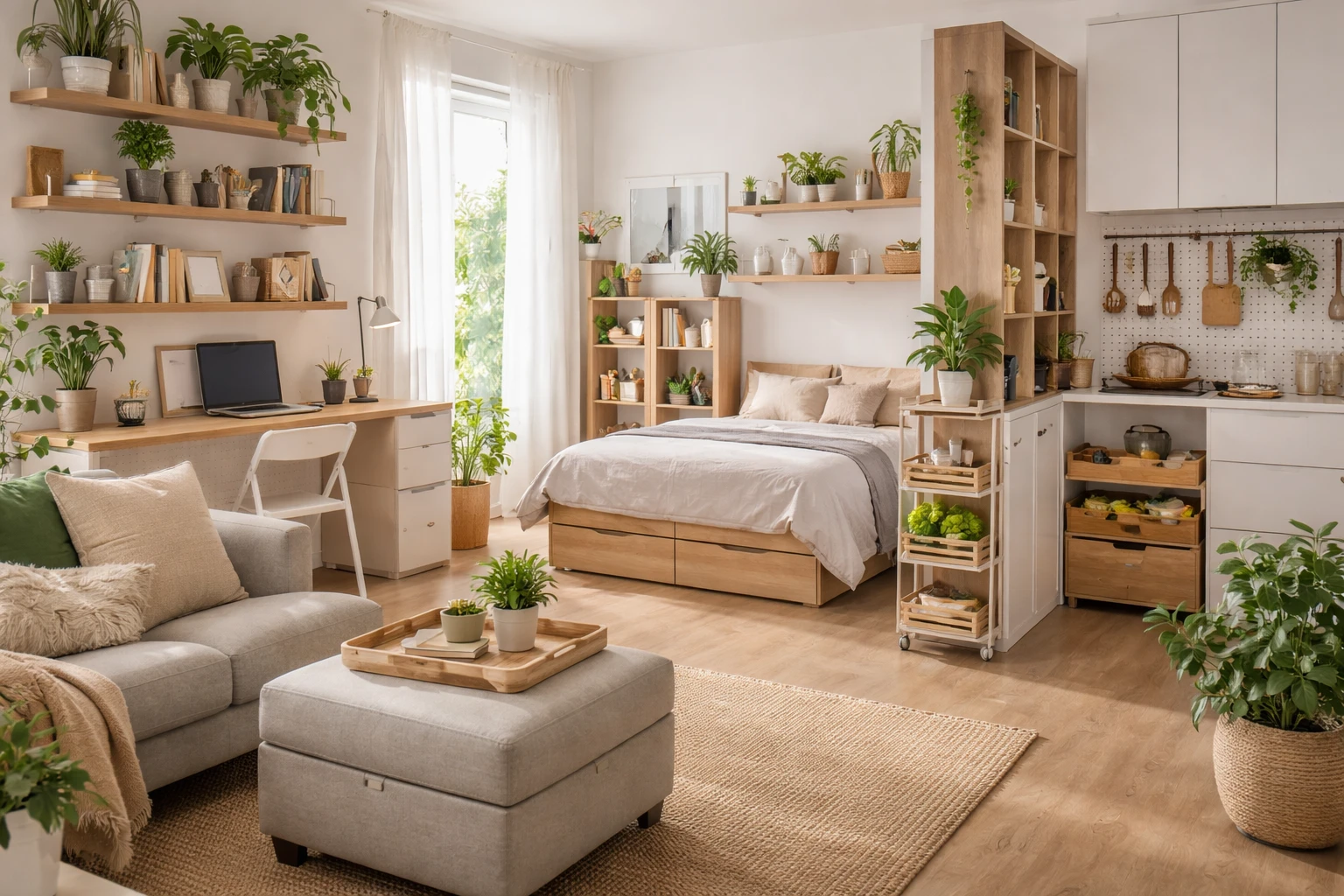
Install floating shelves from floor to ceiling in your living room or bedroom to store books, plants, baskets, and decorative objects. In the kitchen, magnetic knife strips, pegboards, and hanging pot racks free up precious counter and cabinet space. In a home office nook, a wall mounted desk folds flat when not in use, reclaiming the floor the moment your workday ends.
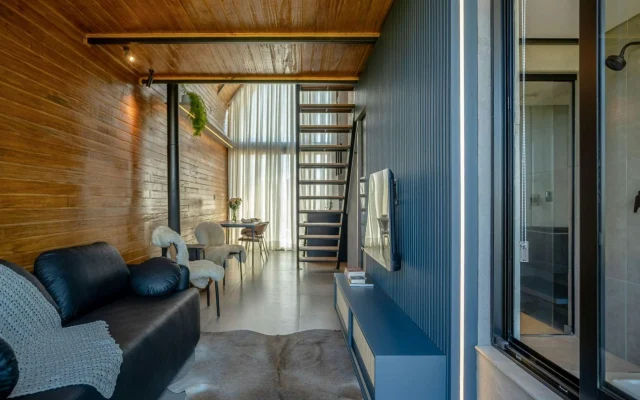
The vertical approach does more than add storage — it draws the eye upward, making ceilings feel higher and rooms feel larger.
Furniture That Earns Its Place
In a small apartment, every piece of furniture needs to justify its footprint. If something only does one job, ask whether it deserves a spot.
Sofa beds and daybeds turn living rooms into guest rooms without a dedicated spare bedroom. Ottoman storage cubes serve as coffee tables, extra seating, and hidden storage all at once. A dining table with drop leaves can shrink to a slim console against the wall when you’re not hosting and expand to seat six when you are.
Look for beds with built-in drawers underneath — that’s an entire dresser’s worth of storage that disappears beneath you while you sleep. Murphy beds, once considered a quirky relic, have had a serious design renaissance and are now sleek, stylish, and genuinely space-transforming.
Zones Without Walls: Define Your Space Visually
Open-plan apartments can feel chaotic without clear visual boundaries between a living area, workspace, and dining zone. The good news: you don’t need walls to create them.
Use area rugs to anchor each zone — a large rug under the sofa defines the lounge area, while a smaller one beneath the dining table carves out a separate eating space. Bookshelves used as room dividers add storage while gently separating a bedroom from a living area. Curtains hung from ceiling tracks create a soft, flexible partition that can open up or close off a space in seconds.
Strategic lighting plays a role too. A pendant light over the dining table and a floor lamp beside the sofa signal two distinct zones, even in a studio layout.
Hidden Storage: The Art of the Invisible Clutter Fix
Clutter is the number one enemy of a small space. It makes rooms feel cramped, chaotic, and stressful — but the solution isn’t owning less (necessarily). It’s storing smarter.
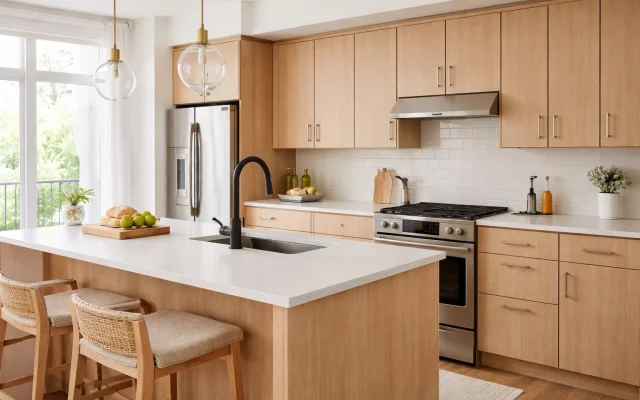
Look for dead zones you haven’t thought to use: the space above kitchen cabinets, the gap between the fridge and wall, the area under the bathroom sink. Slim rolling carts slide into those kitchen gaps perfectly. Stackable bins on top of cabinets store seasonal items out of sight.
In the entryway — often just a few square feet — a bench with interior storage handles shoes and bags while providing a place to sit. Hooks at varying heights on the wall behind the door can hold coats, bags, scarves, and umbrellas without taking up any floor space at all.
Under-bed storage boxes with lids keep out-of-season clothing, spare bedding, and shoes organized and dust-free. For items you access regularly, low-profile rolling drawers on wheels slide in and out with ease.
Light, Color, and Mirrors: The Perception Tricks That Actually Work
Sometimes making a space feel bigger is purely psychological — and there’s real science behind these classic tricks.
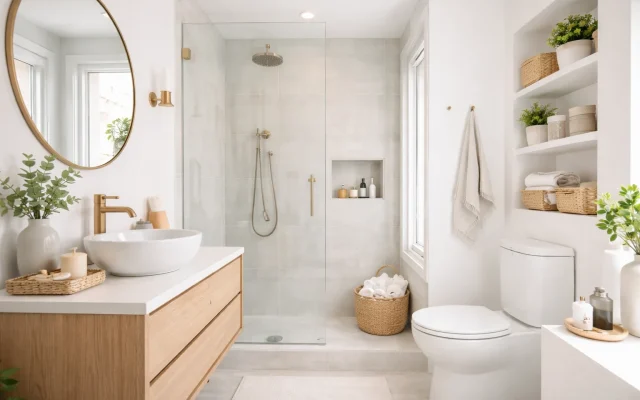
Light colors on walls (soft whites, warm creams, pale grays) reflect light and push walls back visually. Mirrors are the oldest small-space hack in the book for good reason: a large mirror on one wall can make a room feel nearly twice the size. Position one opposite a window and it will also bounce natural light around the room.
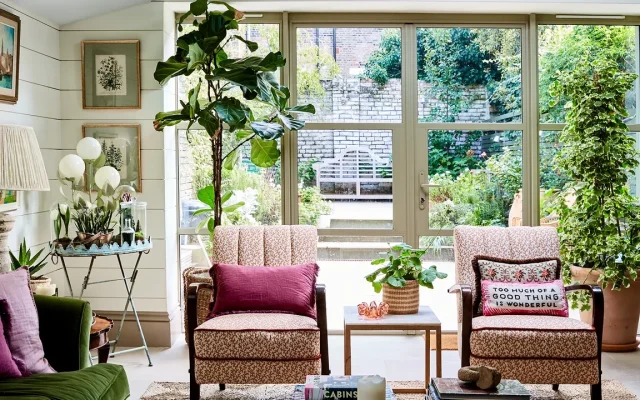
Keep window treatments light and minimal. Heavy drapes block the light that makes small rooms breathe. Sheer panels or simple roller blinds let sunlight in while maintaining privacy.
Finally, declutter ruthlessly and often. In a small apartment, visual noise has nowhere to hide. A clear surface, a tidy shelf, a clean floor — these simple habits do more for the feel of a space than any furniture hack ever could.
Small apartments demand creativity, but they reward it generously. Work with your space rather than against it, and those square feet will surprise you.
Frequently Asked Questions (FAQs)
Use light colors, mirrors, and vertical storage to create the illusion of more space and keep the floor area open.
Multi-functional furniture like sofa beds, storage ottomans, and drop-leaf tables helps maximize usability without crowding the room.
Yes, floating shelves use vertical wall space for storage and decor while keeping the floor uncluttered.
Use rugs, lighting, curtains, or bookshelves as visual dividers to define living, sleeping, and dining zones.
Look under beds, above cabinets, behind doors, and in narrow gaps where slim carts or stackable bins can fit.
Yes, mirrors reflect light and create depth, making a small room feel brighter and more spacious.
Use storage furniture, keep surfaces clear, and regularly declutter items you no longer use.
Yes, modern Murphy beds are stylish and save significant space by folding into the wall when not in use.
Install magnetic knife strips, hanging racks, and pegboards to free up cabinets and counter space.
Light shades like white, cream, and soft gray reflect light and help rooms feel more open and airy.