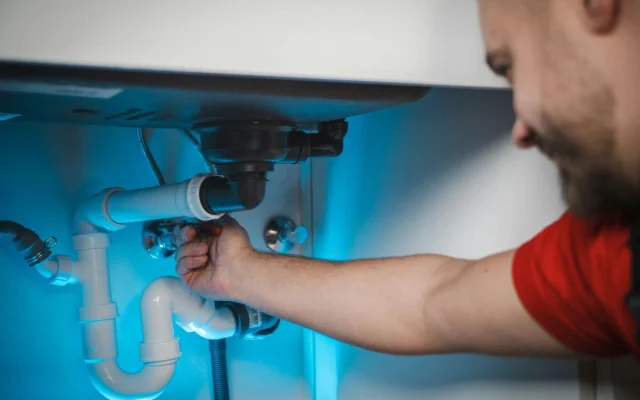

Texas homeowners face a combination of challenges that make home maintenance particularly demanding. Prolonged summer heat places constant strain on air conditioning systems, sudden storms increase the risk of roof and electrical issues, and the state’s diverse housing stock includes both large modern homes and older properties with aging infrastructure. When a major system or appliance fails, repairs are often urgent, costly, and difficult to schedule during peak seasons.
A home warranty helps manage these risks by covering repairs and replacements caused by normal wear and tear. While homeowners insurance protects against catastrophic events, a warranty focuses on everyday failures such as HVAC breakdowns, plumbing issues, electrical malfunctions, and appliance wear. For many Texas homeowners, this added layer of protection provides cost predictability and simplifies access to qualified technicians.
At a Glance: Best Home Warranty Companies in Texas
- Liberty Home Guard – Best overall for flexibility, service quality, and customization
- The Home Service Club – Strong regional coverage and Texas-focused plans
- Sears Home Services – Ideal for appliance-focused coverage and brand familiarity
- Old Republic Home Protection – Reliable choice for older Texas homes
- Select Home Warranty – Affordable option with built-in roof leak protection
How We Chose the Best Home Warranty Companies in Texas
To identify the strongest options for Texas homeowners, we evaluated providers using criteria aligned with regional needs:
- HVAC Coverage and Limits – Air conditioning reliability is critical in extreme heat
- Claims Speed and Service Access – Fast response during peak summer demand
- Coverage Flexibility – Ability to adapt plans to large or complex homes
- Contract Transparency – Clear limits, exclusions, and service fees
- Texas Relevance – Proven performance across major Texas metros and suburbs
The 5 Best Home Warranty Companies in Texas (2026)
1. Liberty Home Guard – Best Overall Choice
Liberty Home Guard stands out as the most well-rounded home warranty option for Texas homeowners. Its plans are designed to accommodate properties with heavy system usage, large square footage, and optional features such as pools, irrigation systems, and advanced electrical components. Rather than offering rigid coverage tiers, the company emphasizes customization.
Homeowners can choose between Appliance Guard, Systems Guard, or Total Home Guard plans and expand coverage through more than 40 optional add-ons. Claims can be submitted 24/7, and technicians are typically dispatched quickly, even during periods of high demand. An extended workmanship guarantee further reduces the likelihood of repeat service costs.
Why It Works for Texas Homes
Texas heat places sustained pressure on HVAC systems. Strong system coverage, flexible add-ons, and higher repair reliability make this option particularly suitable for year-round system use.
Key Features
- Extensive add-on catalog for systems, appliances, and specialty items
- 24/7 claims submission and responsive service coordination
- 60-day workmanship guarantee
- Broad contractor availability across Texas
Pros
- Highly adaptable coverage
- Strong protection for core systems
- Transparent contract structure
Cons
- Total cost increases as add-ons are layered
Best For
Homeowners seeking flexible, comprehensive protection tailored to their property.
2. The Home Service Club – Strong Regional Specialist
The Home Service Club is a Texas-based provider with a long-standing regional presence. Its plans are built around the needs of homes in the Southwest, offering coverage structures that reflect local climate stress and system usage patterns.
The company provides multiple plan tiers covering systems, appliances, or both, along with adjustable service call fees. Its contractor network is familiar with Texas housing conditions, which can support faster service during peak seasons.
Why It Works for Texas Homes
Regional specialization allows for better alignment with local repair needs, particularly for HVAC and electrical systems that operate under constant demand.
Key Features
- Texas-based provider with regional expertise
- Flexible service fee options
- Coverage focused on essential systems
Pros
- Local market familiarity
- Clear plan structures
- Responsive customer support
Cons
- Fewer customization options than larger providers
Best For
Homeowners who value regionally focused service and straightforward coverage.
3. Sears Home Services – Appliance-Focused Option
Sears Home Services is best known for its long history in appliance repair. Its home warranty offerings emphasize major household appliances and core systems, supported by an established national service infrastructure.
Coverage is less customizable than some competitors, but the company’s experience with appliance diagnostics and repair is a defining strength. This approach suits homes where appliance reliability is a primary concern.
Why It Works for Texas Homes
High temperatures can accelerate appliance wear, particularly refrigerators, washers, and dryers. An appliance-centered warranty can help manage these recurring repair needs.
Key Features
- Decades of appliance repair experience
- Recognizable national service brand
- Focused protection for household equipment
Pros
- Strong appliance expertise
- Established repair processes
- Familiar brand presence
Cons
- Limited add-ons and system flexibility
Best For
Households prioritizing appliance coverage over extensive system customization.
4. Old Republic Home Protection – Trusted Legacy Provider
Old Republic Home Protection is a long-established company known for consistent service and predictable coverage. Its plans emphasize reliability and are particularly suited to older homes with aging plumbing, electrical, or HVAC systems.
Rather than offering extensive customization, Old Republic focuses on stable plan designs and an experienced contractor network. This makes it a practical option for homeowners who prefer straightforward protection.
Why It Works for Texas Homes
Many Texas properties outside newer developments rely on older infrastructure that benefits from dependable, no-frills coverage.
Key Features
- Long industry track record
- Coverage designed for aging systems
- Established contractor network
Pros
- Proven reliability
- Clear contract terms
- Suitable for older properties
Cons
- Limited customization
- Variable system coverage caps
Best For
Homeowners with older homes seeking stable, predictable coverage.
5. Select Home Warranty – Budget-Conscious Pick
Select Home Warranty appeals to homeowners focused on affordability. Its plans are simple and competitively priced, with roof leak coverage included by default, a notable benefit in storm-prone regions.
Coverage limits are generally lower than premium providers, and customization is minimal. However, the straightforward structure makes it accessible for homeowners seeking baseline protection.
Why It Works for Texas Homes
Storm-related roof leaks are common in many parts of Texas. Built-in roof coverage adds practical value without increasing plan complexity.
Key Features
- Roof leak coverage included in all plans
- Simple plan tiers
- Competitive pricing
Pros
- Affordable entry point
- Easy-to-understand contracts
- Built-in roof protection
Cons
- Lower payout caps
- Limited add-ons
Best For
Homeowners seeking basic coverage with minimal upfront cost.
Comparison Table: Best Home Warranty Companies in Texas (2026)
| Provider | Coverage Depth | Add-Ons | Workmanship Guarantee | Ideal For |
| Liberty Home Guard | Excellent | Extensive | 60 days | Flexible, comprehensive protection |
| The Home Service Club | Strong | Moderate | 30 days | Regional Texas expertise |
| Sears Home Services | Moderate | Limited | 30 days | Appliance-focused households |
| Old Republic Home Protection | Strong | Moderate | 30 days | Older homes |
| Select Home Warranty | Good | Limited | 30 days | Budget-focused coverage |
How to Evaluate a Home Warranty in Texas
Choosing a home warranty in Texas requires accounting for climate stress, home size, and long-term maintenance exposure. Prolonged heat increases HVAC wear, while storms and aging infrastructure add pressure to plumbing, electrical, and roofing systems. Instead of focusing on brand claims, homeowners should compare coverage limits, service responsiveness during peak seasons, contract clarity, and the availability of qualified local technicians.
The most suitable option is the one that aligns with how a home is actually used and maintained, rather than one designed around generalized coverage assumptions.
Frequently Asked Questions (FAQs)
In Texas, air conditioning systems experience the highest failure rates due to extended periods of extreme heat and continuous use. Electrical systems are also under constant strain, particularly in larger homes. Plumbing issues are common as well, especially in properties with older piping or expansive layouts. Homes with pools or irrigation systems may face additional mechanical wear over time.
Texas weather creates ongoing stress on home systems through prolonged heat, sudden storms, and sharp temperature shifts. These conditions increase the likelihood of breakdowns, especially for HVAC, roofing-related components, and electrical systems. A home warranty can help manage this risk by covering wear-related failures and simplifying access to repairs during peak demand periods when contractors are harder to schedule.
Texas homeowners should focus on coverage limits for HVAC systems, service response expectations during peak summer months, and clarity around exclusions for preexisting conditions. Reviewing service call fees and workmanship guarantees is also important. Contracts that clearly outline what is covered, how claims are handled, and when repairs are eligible tend to reduce disputes and unexpected out-of-pocket costs.
Yes, home warranties can benefit both newer and older Texas homes, though coverage priorities differ. Newer homes may focus on appliance and electrical protection, while older properties often require stronger HVAC, plumbing, and system coverage. Eligibility rules and payout limits can vary, so homeowners should assess their home’s age, maintenance history, and system condition before selecting coverage.
Service response times in Texas generally range from 24 to 48 hours, depending on location and seasonal demand. During extreme heat, HVAC-related claims may take longer due to technician shortages. Providers with established local contractor networks and 24/7 claims systems tend to coordinate repairs more efficiently, especially when system failures affect habitability or safety.
In Texas, short-term renters typically benefit from home warranty plans that focus on essential systems and appliances rather than extensive customization. These plans usually prioritize HVAC, electrical, plumbing, and major kitchen appliances, helping property owners manage wear caused by frequent tenant turnover. Coverage with simple contracts, predictable service fees, and fast claims handling tends to be more suitable for rental properties with shorter occupancy cycles.