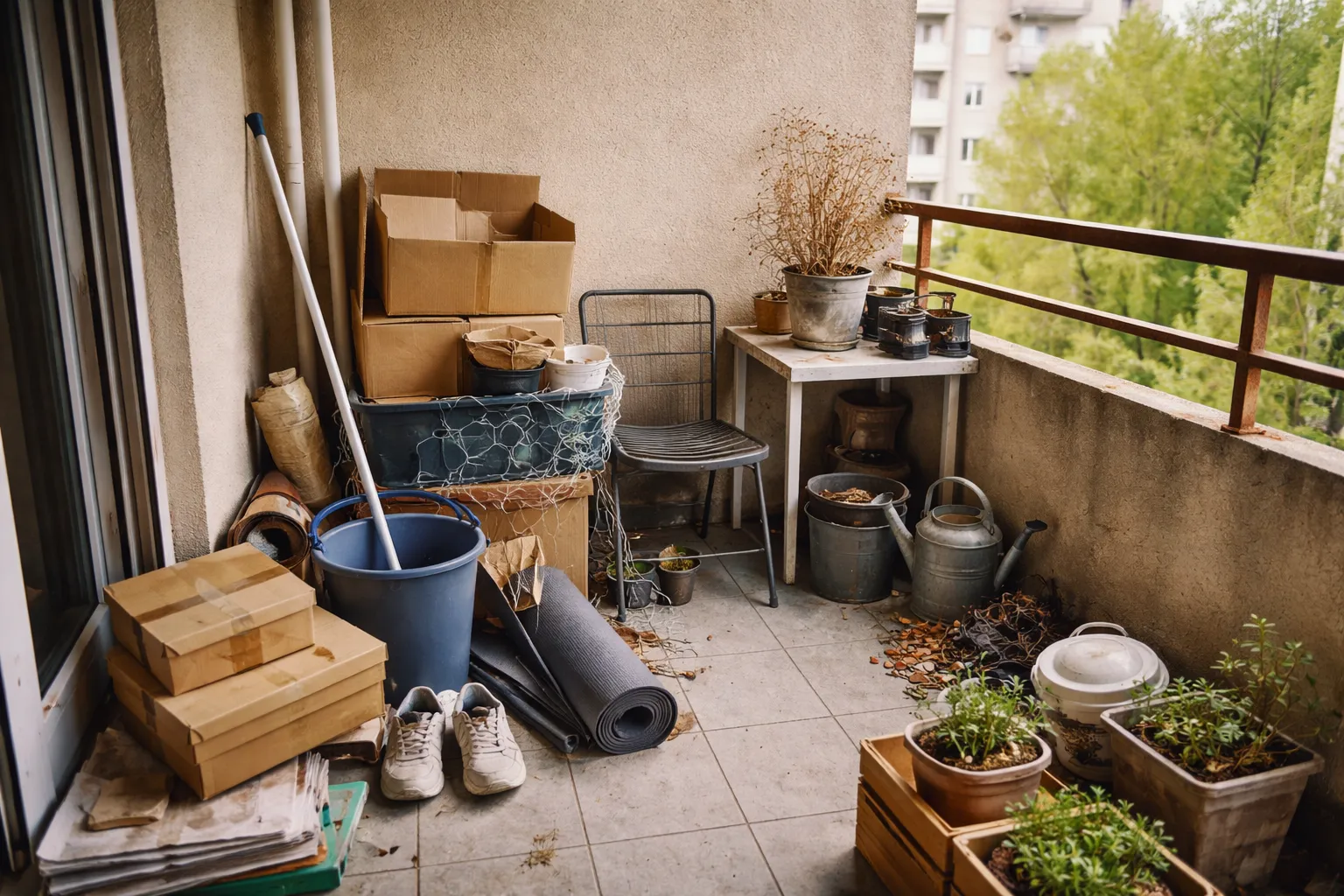
If an apartment has a balcony or a patio, you can bet that the listing will highlight it because these are really valuable features. Who doesn’t want their own little slice of outdoors? But these spaces don’t get much use. It sounds like it doesn’t make sense, right? Why would you be cooped up inside if there’s a balcony you use?
It’s not that people don’t want to use them; the real issue is usually in the design.
You’d probably love to have your morning coffee in the fresh air or do yoga in the sun, but if the space has an awkward shape and seems like a weird leftover, you don’t bother with it.
Read on, and let’s take a look at the balcony/patio/deck blues.
Where Outdoor Spaces Go Wrong
A good outdoor area has to be planned and, more often than not, you’ll need a pro to help you with this. A deck or a balcony is outside, which means it deals with all kinds of weather every single day, and the design has to account for that.
Here’s a quick comparison example
If you live in Phoenix, AZ, and you have a patio, that patio won’t be of much use if it doesn’t have shade because the heat in Arizona can be scorching.
On the flip side, a custom deck builder in Lafayette TN would tell you that any outdoor space there has to be able to handle a mix of humidity, frost, and a lot of rain, so the materials have to be durable enough to put up with all that.
This isn’t luxury, it’s logic, and if you ignore these basics, you have no chance of creating a functional space. Aside from this, here are some other issues with outdoor areas.
No Clear Use in Mind
You use the kitchen for cooking, and you use your bedroom to sleep in. So what’s your balcony for? Does it have a purpose? Because if it doesn’t, then you don’t really have a balcony, right? All you have is pretty much a blank concrete box, which happens to be attached to your living room.
Every room needs to have purpose and functionality, otherwise it’s just an undefined space which doesn’t really do a lot(or anything in some cases).
And we all know what happens to such places… You throw all your clutter, boxes, and things you don’t use often. Making the room not only unusable, but also ugly to look at.
Furniture That Doesn’t Fit the Space
This is a classic mistake. You see a beautiful sofa or a bulky 4-person dining table in the store, and you think it will look so cozy on your balcony. Then you squeeze it all in and realize you can’t walk across the space without bumping into something, and the door doesn’t open all the way.
Furniture that’s not the right size makes any space feel claustrophobic and irritating.
Uncomfortable Floors and Surfaces
Physical discomfort is a huge mood killer. You’ll see many balconies and patios that have glossy tiles, and they look absolutely stunning. But they’re slippery as heck, and they can be a hazard. Plus, if you’re in a warm climate and the tiles are dark, they’ll get much hotter (possibly to the point of being unusable) than lighter ones.
Floors and surfaces need to feel pleasant and sturdy. If they feel flimsy and cheap, you won’t want to use the space they’re in.
Too Much Sun, Wind, or Weather
Sometimes, designers sort of forget about the elements and the fact that people don’t like to drink their coffee while being soaked or slowly baking in the sun. A good outdoor space needs shade or some kind of adjustment to the local climate. If there’s none of that, you’ll be able to use it about 3 days a year, if that.
What Used Outdoor Spaces Have in Common
There’s no magic formula, unfortunately, but there are a few very simple things that outdoor spaces have in common.
First and foremost, they have a clear job, and the importance of that was mentioned a little while back in this very article. Even if the space is tiny, that purpose gives you a way to use it. And if the layout is good, there’s even some flexibility to it, so a dinner spot can also be used as a place where you prop your feet after you clear the plates.
Next is coziness, and this is a big one.
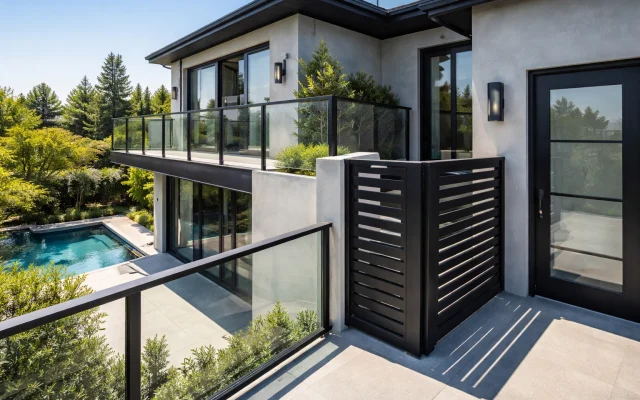
There’s no need to shut the place in with solid walls, but you do want some privacy. That can come from a tall plant or a simple screen, whatever it is that can make it feel tucked away. Another biggie is stepping outside.
It should feel effortless, not like you need to fight your way into the balcony or gear up to go outside.
Conclusion
As you can see, it’s all pretty simple. No huge renovations, no getting into debt, just intention. We don’t want to worry about size here. Nor do we care about all the fancy features. All we need here is to be aware of what the purpose of that room is and then, based on that, choose all the furniture that will match that purpose.
Once everything neatly falls into place, your little concrete slab might just become one of your favorite spots in your home.
Frequently Asked Questions (FAQs)
Most go unused because they lack thoughtful design, clear purpose, or comfort, making them feel awkward rather than inviting.
No—many small balconies are highly functional when they’re designed with a clear purpose and the right layout.
Climate plays a huge role, as heat, rain, wind, or cold can make a space uncomfortable without proper shade, materials, or protection.
Without a clear function, the space becomes clutter storage instead of a place people actually want to spend time in.
Furniture that’s too large restricts movement, blocks doors, and makes the space feel cramped and frustrating.
Slippery, flimsy, or heat-absorbing surfaces create discomfort and safety issues that discourage regular use.
Yes—without shade or weather protection, the space may only be usable a few days a year.
They have a defined purpose, comfortable layout, and a cozy, semi-private feel that encourages everyday use.
Absolutely—basic privacy elements like plants or screens make outdoor spaces feel more relaxing and livable.
Not at all; most only need intentional planning, right-sized furniture, and small comfort upgrades to become usable.