
Construction projects are a vital part of modern life, providing homes, workplaces, and infrastructure. However, they generate significant amounts of waste that can negatively impact the environment. From leftover materials to packaging, debris, and hazardous substances, construction waste has consequences that extend far beyond the building site. Understanding how construction waste affects the environment and learning strategies to minimise its impact is essential for builders, contractors, and homeowners alike.
The Environmental Impact of Construction Waste
Construction waste affects the environment in multiple ways. One of the primary concerns is landfill usage. Materials such as timber, concrete, bricks, plasterboard, and metals that are not recycled or repurposed end up in landfills. These materials take up space and, in some cases, take decades or centuries to decompose. Decomposing waste can release harmful gases, including methane, which contributes to climate change.
Hazardous construction materials present another environmental challenge. Paints, solvents, adhesives, treated timber, and asbestos contain chemicals that are toxic to humans, animals, and plants. If improperly disposed of, these substances can leach into soil and waterways, contaminating ecosystems and potentially entering the food chain.
Water pollution is a further consequence of poor construction waste management. Rainwater can wash loose materials and chemicals from construction sites into stormwater drains and rivers. Sediment from soil erosion, plaster dust, and particles from concrete and bricks can harm aquatic life and degrade water quality.
Air pollution is also a concern. Dust and particulate matter from construction waste can contribute to poor air quality, affecting the health of workers and nearby residents. Burning construction waste, which is sometimes done illegally, releases toxic fumes that further contribute to air pollution and respiratory problems.
Why Minimising Construction Waste Matters
Minimising construction waste is not only an environmental responsibility but also a practical and financial one. Reducing waste helps conserve natural resources, lowers disposal costs, and improves site efficiency. Recycling and repurposing materials reduces the demand for raw resources and decreases greenhouse gas emissions associated with production and transport.
In addition, minimising waste contributes to compliance with environmental regulations. Governments and local councils often have strict rules governing construction waste disposal. Failure to comply can result in fines, legal action, and project delays. By managing waste responsibly, builders protect their reputation and maintain good relationships with clients and authorities.
Strategies to Minimise Construction Waste
There are several effective strategies for reducing the environmental impact of construction waste. Planning is the first step. Accurate measurements, careful ordering of materials, and detailed project schedules reduce the likelihood of excess materials being left over. Avoiding overordering and selecting standardised materials that are easy to use and adapt reduces waste generation.
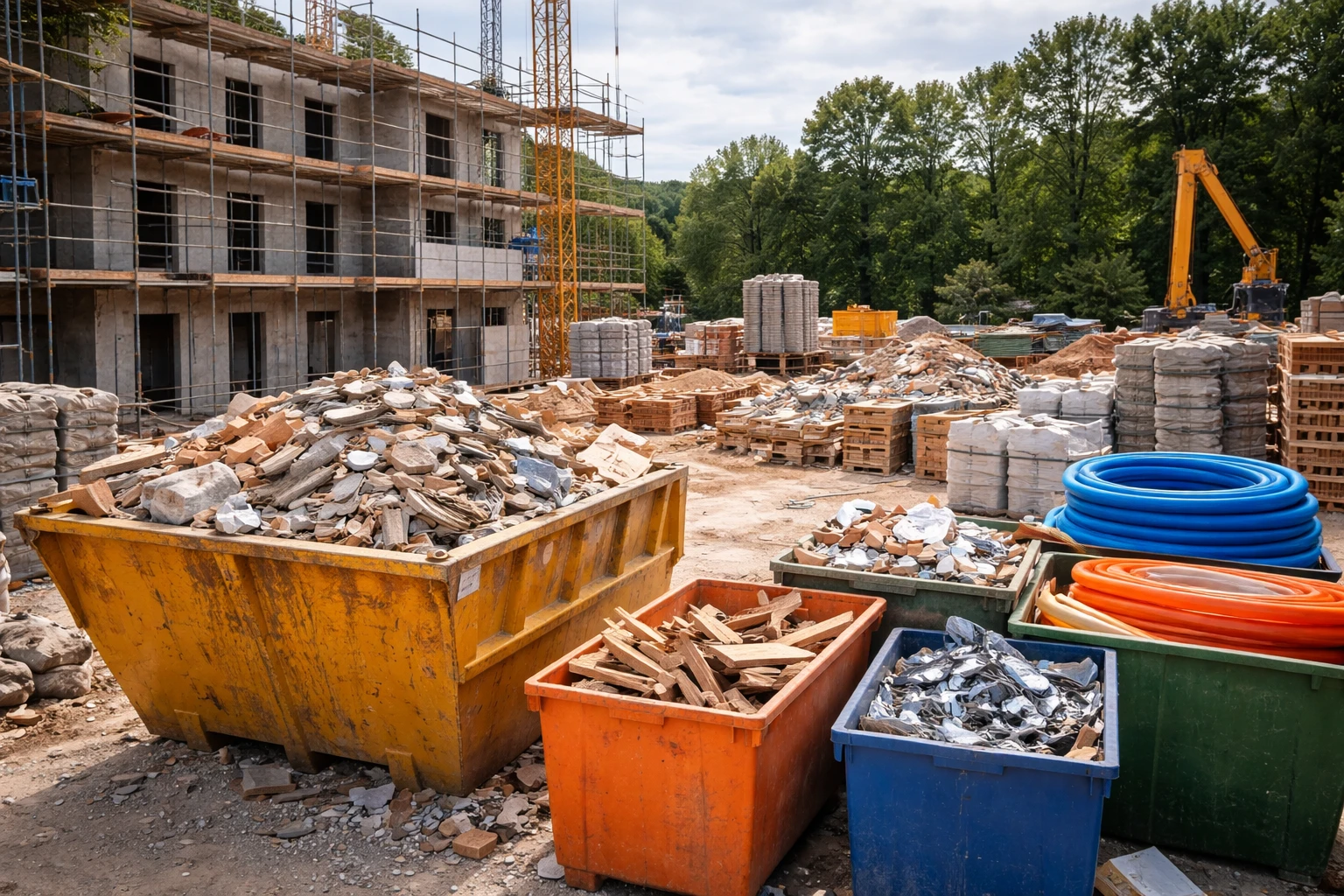
Repurposing and recycling materials are key strategies. Timber offcuts can be used for temporary structures, furniture, or smaller building projects. Bricks, tiles, and pavers can often be reused on site or donated to community projects. Metals, including steel and aluminium, are highly recyclable and can be melted down and reused without losing quality. Concrete and rubble can be crushed and repurposed as base material for roads and foundations.
Proper segregation of waste on site improves recycling rates and reduces contamination. Separate bins and storage areas for timber, metal, concrete, plasterboard, and hazardous materials make it easier to send each type of waste to the correct recycling or disposal facility. Clearly labelled containers and regular collection schedules keep the site organised and reduce the risk of accidents.
Safe Handling of Hazardous Waste
Hazardous construction waste must be handled with particular care. Substances such as paints, solvents, adhesives, treated timber, and asbestos contain chemicals that can harm the environment if not managed correctly. Store these materials in secure, well ventilated areas away from rain and water sources until they can be collected by licensed disposal services.
Workers handling hazardous waste should wear appropriate personal protective equipment such as gloves, goggles, and masks. Spills should be managed promptly using absorbent materials or spill kits to prevent chemicals from entering soil or waterways. By taking these precautions, the environmental impact of hazardous materials is minimised.
Engaging Professional Waste Removal Services
Professional waste removal services play a crucial role in reducing the environmental impact of construction waste. Licensed companies can handle large volumes of waste safely and ensure that materials are recycled or disposed of according to environmental regulations. Using professional services reduces the risk of illegal dumping, contamination, and accidents.
Many waste removal companies also offer specialised recycling options for metals, timber, concrete, and hazardous materials. Partnering with these services not only improves compliance but also contributes to sustainability goals by ensuring that as much material as possible is reused or recycled.
Reducing Packaging Waste
Packaging materials contribute significantly to construction waste. Cardboard, plastic, foam, and shrink wrap are often discarded immediately after delivery. Reducing packaging waste starts with working with suppliers who use minimal or recyclable packaging. On site, cardboard can be flattened and recycled, while plastics can be collected for recycling. Encouraging suppliers to take back reusable packaging is another effective strategy.
Educating the Construction Team
Minimising construction waste requires the cooperation of the entire project team. Educating workers about the environmental impact of waste, safe handling of hazardous materials, and recycling procedures fosters a culture of responsibility. Training sessions, signage, and regular reminders help ensure that everyone on site contributes to sustainable practices.
Innovative Building Practices
Innovative building practices can also help minimise waste. Modular construction, prefabrication, and off site assembly reduce material offcuts and improve precision. Using eco friendly materials that are recyclable or biodegradable further lowers the environmental footprint of construction projects.
Planning for deconstruction at the end of a building’s life is another strategy. Designing buildings so that components can be easily dismantled and reused or recycled extends the lifecycle of materials and reduces long term waste.
Monitoring and Reporting Waste
Monitoring waste generation and disposal is an important part of sustainable construction management. Keeping records of the types and quantities of waste produced helps identify areas for improvement and track progress. Reporting waste management performance to clients, regulators, or internal teams encourages accountability and continuous improvement.
Conclusion
Construction waste has significant environmental impacts, including pollution of land, water, and air, as well as the depletion of natural resources. Hazardous materials, dust, and debris can harm ecosystems and human health if not handled responsibly. Minimising construction waste is essential for protecting the environment, reducing costs, and complying with regulations.
Effective strategies include planning projects carefully, ordering accurate quantities of materials, and repurposing or recycling materials whenever possible. Segregating waste, safely handling hazardous substances, and using professional waste removal services further reduce environmental impact. Educating workers, reducing packaging waste, and adopting innovative building practices contribute to sustainable construction.
By taking a proactive approach to construction waste management, builders, contractors, and homeowners can significantly reduce the negative effects of their projects on the environment. Responsible waste management not only protects the planet but also enhances project efficiency, saves money, and demonstrates a commitment to sustainability. Every small step towards minimising construction waste helps create a cleaner, safer, and more sustainable built environment for current and future generations.
Frequently Asked Questions (FAQs)
Construction waste includes leftover materials such as concrete, timber, metals, packaging, and hazardous substances generated during building projects.
It contributes to landfill overflow, pollution, and greenhouse gas emissions, which can damage ecosystems and accelerate climate change.
Non-recycled materials take up significant space and can take decades or even centuries to decompose, releasing harmful gases over time.
Hazardous waste includes paints, solvents, adhesives, treated wood, and asbestos, which contain toxic chemicals.
Rain can wash debris and chemicals into drains and rivers, contaminating water and harming aquatic life.
Reducing waste lowers costs, conserves resources, improves efficiency, and ensures compliance with environmental regulations.
They can plan carefully, order accurate material quantities, recycle materials, and separate waste into designated categories.
Proper segregation prevents contamination, improves recycling rates, and makes disposal more efficient and safer.
They ensure waste is handled, recycled, or disposed of correctly, reducing environmental impact and legal risks.
By educating workers, using eco-friendly materials, reducing packaging, and adopting innovative building methods like prefabrication.