
Most people focus on square footage during apartment tours. They check closet space and appliance conditions. But floors get overlooked despite affecting your daily life more than most features.
The flooring beneath your feet influences everything. Noise levels change based on floor material. Cleaning routines vary wildly between carpet and tile. Even your heating bills connect to what’s underfoot. Smart renters examine floors carefully before signing any lease.
Flooring Affects Your Daily Apartment Life
Your floors impact comfort in ways you won’t notice during a quick walkthrough. Hard surfaces amplify every footstep between floors. This becomes a problem if you work from home. Downstairs neighbors will definitely let you know about it too.
Carpet absorbs sound better than any hard surface. But it also traps allergens deep in the fibers. Professional cleaning can’t always remove old stains. Previous tenants’ messes sometimes hide under furniture until move in day.
Temperature control ties directly to your flooring choice. Tile and concrete feel freezing in winter months. You’ll run the heat more often just to stay comfortable. Carpet provides insulation but makes summer rooms feel stuffy. Wood and quality vinyl offer better thermal balance year round.
Most leases make you responsible for damage beyond normal wear. Soft woods dent easily under heavy furniture legs. Certain laminates scratch from pet claws or dropped kitchen items. Knowing which materials hold up best saves your security deposit later.
Common Floor Types in Rental Apartments
Apartments typically feature one of five main flooring options. Each type brings specific benefits and drawbacks worth examining.
Here’s what you’ll encounter most often:
- Carpet stays popular in bedrooms because it feels soft underfoot. It muffles sound between rooms and floors effectively. However, carpet traps dust and pet dander deep inside. Regular vacuuming doesn’t eliminate everything that builds up. Most rental carpet needs replacement every five to seven years.
- Vinyl plank flooring has improved significantly in recent years. Modern luxury vinyl mimics real wood grain convincingly. It resists water damage better than actual hardwood too. Installation costs stay low for property owners. The downside shows up in cheaper versions that look plasticky. Heavy appliances can dent lower quality vinyl over time.
- Laminate flooring uses compressed wood particles with a photo layer on top. It handles moderate foot traffic without major problems. Costs stay lower than solid wood options. But laminate can’t be refinished like real hardwood can. Scratches go all the way through the top layer. Moisture causes laminate boards to swell and buckle eventually.
- Tile works perfectly in bathrooms and kitchens where spills happen. Ceramic and porcelain resist stains naturally. Basic mopping keeps tile clean without special products. Grout lines need more attention though. They discolor or develop mold without regular sealing. Tile also feels hard underfoot and gets cold in winter.
- Hardwood flooring represents the premium choice in apartment rentals. Prefinished solid hardwood from suppliers like Really Cheap Floors lasts decades longer than other materials. Real wood can be sanded and refinished multiple times. Scratches don’t mean permanent damage like with laminate. Hardwood adds warmth to any space naturally. It improves air quality compared to synthetic options too.
How Long Will the Floors Last
Durability varies dramatically between flooring materials. Your lifestyle determines which option makes the most sense.
Pets and Floor Damage
Households with pets need scratch resistant surfaces. High quality vinyl holds up better than soft pine. Tile works well in pet areas. Some landlords prohibit certain pets specifically because of flooring concerns.
Engineered hardwood resists claw marks better than basic laminate. It costs more upfront but saves headaches later. Pet accidents also affect different floors in different ways. Carpet absorbs odors that never fully leave. Hard surfaces clean up much easier.
Daily Cleaning Requirements
Cleaning needs change significantly based on floor type. Hardwood needs occasional specialized care beyond regular sweeping. You’ll need to damp mop carefully to avoid water damage. Carpet demands frequent vacuuming to prevent matting. Deep cleaning becomes necessary every few months.
Vinyl and tile offer the easiest maintenance overall. Simple wet mopping handles most messes quickly. Consider your schedule before committing to high maintenance floors. Some materials need weekly attention to stay looking good.
High Traffic Wear Patterns
Entryways wear out fastest regardless of material. Look for visible damage during apartment tours. Older buildings show wear patterns more clearly. Landlords sometimes patch damaged sections before new tenants arrive. Mismatched flooring signals future problems you’ll inherit.
The U.S. Department of Housing and Urban Development requires landlords to maintain rental properties in livable condition. This includes fixing flooring safety hazards. Fresh paint can’t hide serious floor damage forever.
Surface hardness affects both durability and standing comfort. Concrete floors last practically forever. But they cause foot and back fatigue during cooking. Wood provides some cushioning while staying durable. Cork offers even more give but scratches easier than hardwood.
Sound Control and Temperature Comfort
Floor material determines how much noise travels between apartments. This creates one of the biggest neighbor disputes in multi unit buildings.
Hard surfaces like tile and laminate transmit impact noise efficiently. Every footstep creates vibrations that carry through structural elements. Dropped objects sound like explosions to downstairs neighbors. Some leases require rugs in apartments with hard floors.
Carpet naturally dampens sound but causes other problems. Wall to wall carpet triggers allergies for sensitive people. It accumulates dust mites and mold spores constantly. The Environmental Protection Agency notes that flooring materials significantly impact indoor air quality. Buildings with forced air heating circulate more particles from carpeted surfaces.
Stone and ceramic tile conduct heat away from bare feet quickly. They feel uncomfortable in winter without radiant heating. Thick rugs help but add expense. Wood maintains neutral temperature in most seasons. Carpet provides the most insulation naturally. But it makes rooms feel stuffy during warm weather.
Tactile comfort matters more than most renters initially realize. Standing barefoot on hard floors while cooking creates foot fatigue. This becomes noticeable during longer meal prep sessions. Carpet feels soft but causes problems for wheelchairs. Walkers and other mobility aids need smooth surfaces. Think about your daily routines honestly.
What to Prioritize Before Signing
Choosing apartment flooring requires balancing multiple factors against personal needs. No single material excels in every category.
Start by identifying your top three non negotiable requirements. Maybe pet friendly durability ranks highest for you. Perhaps allergy control matters more than anything else. Some renters prioritize easy cleaning above all features. Write down your must haves before touring any properties.
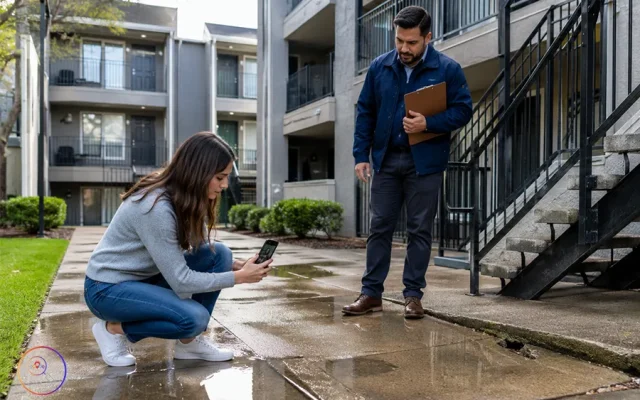
Inspect flooring carefully during every single apartment visit. Walk across all rooms slowly. Listen for squeaks or soft spots indicating structural problems. Check corners and edges where wear shows first. Run your hand along surfaces to feel hidden damage. Ask the landlord when flooring was last replaced.
Your lease length affects how much durability matters. A one year lease makes minor imperfections less concerning. Three year commitments need materials that age well. Some wear patterns develop gradually over months. Long term renters should prioritize materials that resist damage.
Test flooring under different conditions if possible. Visit the apartment at various times of day. Natural light reveals scuffs and discoloration better than overhead lights. Bring children or pets on second visits. Many problems only become apparent after living there several weeks.
Floors affect your daily comfort more than most features. Taking time to assess material quality pays off long term. Good flooring should disappear into the background of daily life. It shouldn’t create ongoing frustration or extra cleaning work.
Frequently Asked Questions (FAQs)
Flooring affects noise levels, comfort, cleaning effort, temperature control, and even long-term living costs, making it a daily quality-of-life factor.
Carpet absorbs sound better than hard surfaces, helping reduce footstep noise between rooms and neighboring units.
High-quality vinyl, tile, or engineered hardwood resist scratches and clean up accidents more easily than carpet or soft wood.
Yes, carpet traps dust, pet dander, and allergens that are difficult to fully remove, even with regular cleaning.
Vinyl plank and tile require the least upkeep, typically needing only regular sweeping and occasional wet mopping.
Tile and concrete feel colder and may increase heating use, while carpet insulates better but can make rooms feel warmer in summer.
Look for scratches, dents, soft spots, buckling, mismatched patches, and worn areas near entryways.
Yes, softer woods and low-quality laminates damage easily, increasing the chance of repair charges at move-out.
Landlords must repair flooring that creates safety hazards, but cosmetic wear may still be the tenant’s responsibility.
Consider lifestyle factors like pets, allergies, noise sensitivity, cleaning time, and lease length before choosing an apartment.