
So, you spot a weird dark speck or wake up scratching at itchy bites—yeah, that moment is stressful and honestly, a little gross. Here’s what you should do right away: double-check that it’s actually bed bugs, snap photos and jot down dates, and send your landlord a written notice (email, letter, whatever leaves a record). In Texas, having that paper trail really matters for protecting yourself. If you move fast—confirm the bugs, report them in writing, and get the pros involved if needed—you’re giving yourself the best shot at sorting this out without getting blamed for something that’s not your fault.
This post will walk you through the next steps: how to make sure it’s bed bugs, how to officially tell your landlord, and what rights and options you’ve got as a renter in Texas. If you’re dealing with bites from a hotel or similar place, it might be worth reaching out to a bed bug injury lawyer about your options.
Immediate Actions: Confirm and Report the Bed Bug Infestation
Don’t wait around—check for signs, try to keep the problem from spreading, and get everything in writing for your landlord or property manager. Focus on real evidence, a careful inspection, and getting that written notice out ASAP so they can (hopefully) bring in a pro.
Recognize Early Signs of Bed Bugs
Look for small, red, itchy bites—usually in lines or clusters—on your arms, neck, or legs. Not everyone reacts, though, so don’t rely on bites alone.
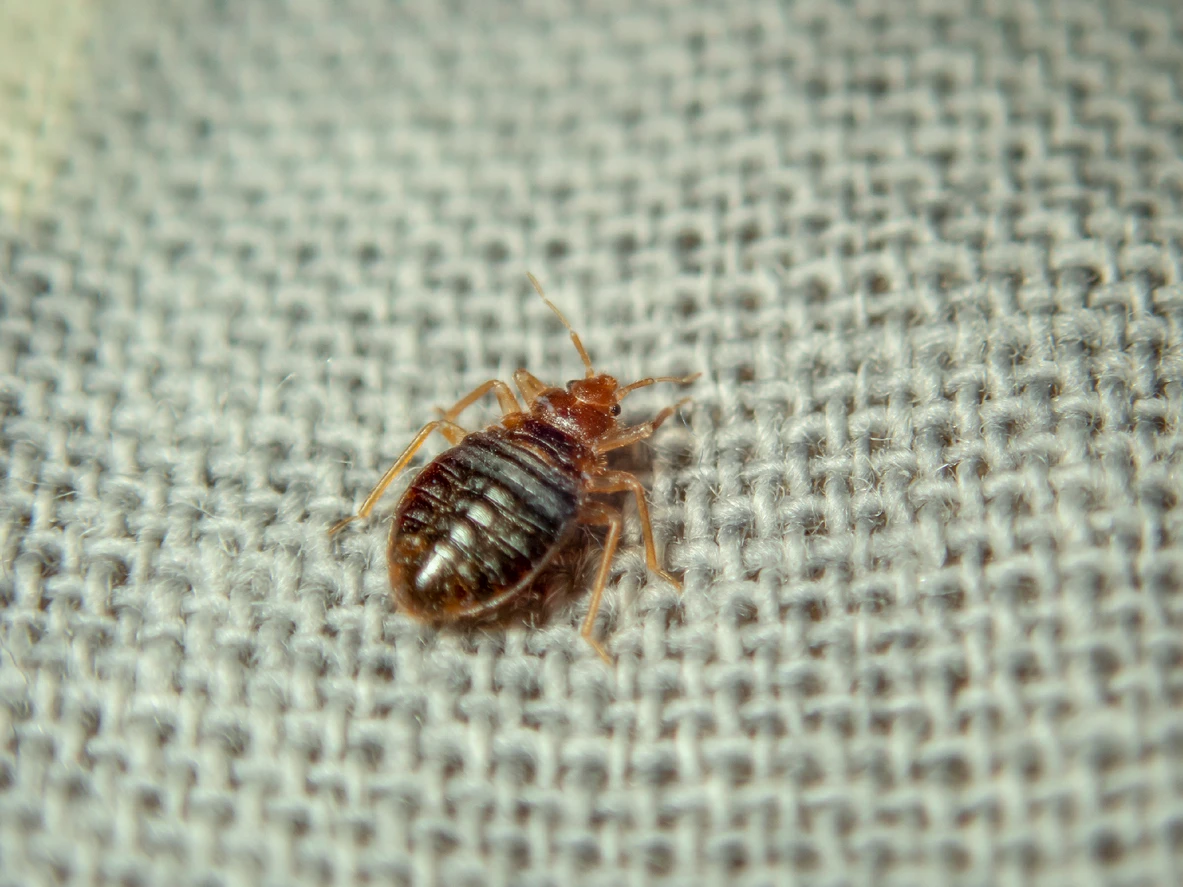
Check mattress seams, box spring edges, headboard cracks, and bed frame joints for live bugs, pale shed skins, or tiny white eggs (they’re about pinhead-sized). Don’t forget to peek around baseboards, outlets, picture frames, and any luggage lying around. Dark spots on your sheets or a faint, musty smell? That’s another red flag.
A flashlight and a magnifying glass help a lot. And if you see anything sketchy, take close-up photos—you’ll want those for your records.
Inspect Bedding, Furniture, and Room Perimeters
Strip your bedding and seal it up in plastic bags before hauling it to the washer. Wash sheets, pillowcases, and clothes on the hottest setting they can handle, then dry on high for at least half an hour.
Look along mattress seams, zippers, and tufts; unzip any encasements to check inside. Lift the box spring flap and look for the staples or glue lines. Move furniture away from the walls and inspect baseboards, bed legs, and under nightstands. A stiff brush can help knock bugs loose—catch them in a container or on paper for photos.
If you have them, bed bug interceptors under the bed and furniture legs can help track movement. Try not to drag infested furniture through hallways or shared spaces, since that’ll just spread the mess.
Document Evidence and Notify Your Landlord in Writing
Take dated photos of anything you find—live bugs, shed skins, eggs, dark spots. Try to get both close-ups and wider shots that show where you found them. If you’re getting bitten, keep a log with dates and symptoms. Save samples in sealed bags if you can.
Send your landlord or property manager a written notice right away. Include the date, photos, your apartment number, and a clear request for inspection and treatment. Email and certified mail are both good; just make sure you have proof you sent it. If your landlord drags their feet, loop in the local housing authority—especially if they’re not responding within the timeline Texas law expects.
Hang onto every email, letter, and receipt. If this turns into a saga, that documentation could save you a ton of headaches.
Prevent Further Spread Within and Between Apartments
Try to keep the problem contained. Seal bedding and clothes in plastic and don’t carry them through shared spaces if you can help it. When using shared laundry, keep things bagged until they go straight into the washer or dryer; same deal when you take them out.
Don’t move furniture or textiles to other rooms or apartments for now. Use interceptors under the bed and furniture legs to catch bugs trying to move around. Vacuum baseboard cracks and crevices, then dump the vacuum contents into a sealed bag and toss it outside.
Let your neighbors and the building manager know what’s going on. The sooner they check nearby units, the better your odds of stopping the spread. Work with your landlord to get professional treatment scheduled quickly—otherwise, the bugs will just keep bouncing around the building.
Tenant Rights and Professional Bed Bug Treatment in Texas
Tenants should document what they see, notify the landlord in writing, and get inspections and treatments lined up. The law usually requires landlords to handle infestations, but tenants have to cooperate—like following prep instructions and letting pest control in when needed.
Understand Texas Tenant Rights and Responsibilities
You’ll need to report sightings in writing and keep copies of everything—emails, letters, photos, the works. If your rent’s paid up and you didn’t cause the infestation, the landlord generally has to handle and pay for treatment under Texas’s implied warranty of habitability. If you signed a bed bug addendum when you moved in, double-check it—sometimes it shifts certain duties, like requiring you to report issues quickly or disclose if you’ve had bed bugs before.
Tenants also need to cooperate with treatments: prep the apartment, be there for inspections, and don’t bring in secondhand stuff that could be infested. If your landlord ignores you after you’ve given proper written notice, you might be able to use remedies like repair-and-deduct, withholding rent (but only in rare cases), or even suing in justice court for damages or to force treatment.
Role of Landlords and Legal Remedies for Renters
Landlords have to respond reasonably to written complaints and hire licensed pest control if it’s needed. Texas law says landlords must keep rentals habitable, which covers health hazards like bed bugs—assuming the tenant didn’t cause the problem. If the landlord knows about previous infestations, they should be upfront about that when leasing, to avoid finger-pointing later on.
If your landlord ignores your written notice, you can reach out to local code inspectors or health departments for help. And if the problem’s confirmed and the landlord still does nothing, you might be able to get a court order for extermination, reimbursement for reasonable costs, or even break your lease if the place becomes unlivable. And if your landlord tries to retaliate against you for reporting health issues? That’s usually illegal if it happens within six months of your complaint.
Coordinating With Professional Pest Control and Code Inspectors
Honestly, you’ll want to bring in a licensed exterminator—or push your landlord to handle it—since pros have real strategies for bed bugs. They’ll usually start with a thorough inspection and might recommend targeted insecticides, heat treatments, or some blend of approaches. It’s smart for tenants to get a written scope of work and a timeline from whoever’s doing the job. Hang onto every receipt, and don’t cut corners on the prep: laundering bedding, vacuuming everywhere, and clearing out clutter make a huge difference, even if it’s a pain.
If you and your landlord end up butting heads over who’s responsible, it’s worth asking for a municipal code inspection. An inspector’s report doesn’t just document what’s going on—it can really help if you need to make a legal case. And if there are health concerns—say, someone’s bites lead to evaluations for HIV or TB complications—tenants should keep those medical records handy and share them with their attorney or the inspector if needed. When the property owner, pest control pros, and code officials actually coordinate, you’ve got a much better shot at wiping out the problem for good.
Helpful Finds for a Pest-Free Apartment
Whether you are dealing with an infestation or preventing one, these are the essentials:
- Bed Bug Mattress Encasement – traps anything in the mattress and protects a new one.
- Bed Bug Interceptors – catches and monitors activity.
- Handheld Steamer – heat is the treatment that works.
- Diatomaceous Earth – a safe barrier along baseboards.
Rise Apartments is a participant in the Amazon Services LLC Associates Program. As an Amazon Associate we earn from qualifying purchases made through the links above, at no extra cost to you.
Frequently Asked Questions (FAQs)
Check for live bugs, shed skins, tiny white eggs, or dark stains along mattress seams and furniture—not just bites, since some people don’t react at all.
Document everything with photos and dates, then notify your landlord in writing as soon as possible to create a clear paper trail.
Yes—report suspected signs right away so the landlord can arrange an inspection before the problem spreads or gets blamed on you.
You can take basic containment steps like washing bedding on high heat, but avoid pesticides or major treatments without coordination, since that can interfere with professional extermination.
If you didn’t cause the infestation and reported it promptly, landlords are generally responsible for treatment under habitability rules.
Only if they can show the infestation was caused by your actions or negligence, or if your lease legally shifts certain responsibilities to you.
Not usually—many items can be treated successfully, and throwing things out too soon can spread bed bugs through the building.
Follow up in writing, keep copies, and consider contacting local code enforcement or a tenant attorney if there’s still no response.
Yes—tenants are expected to follow prep instructions, allow access, and avoid actions that could reinfest the unit.
Possibly, but usually only after proper written notice and if the landlord fails to address a confirmed infestation that makes the unit unlivable.