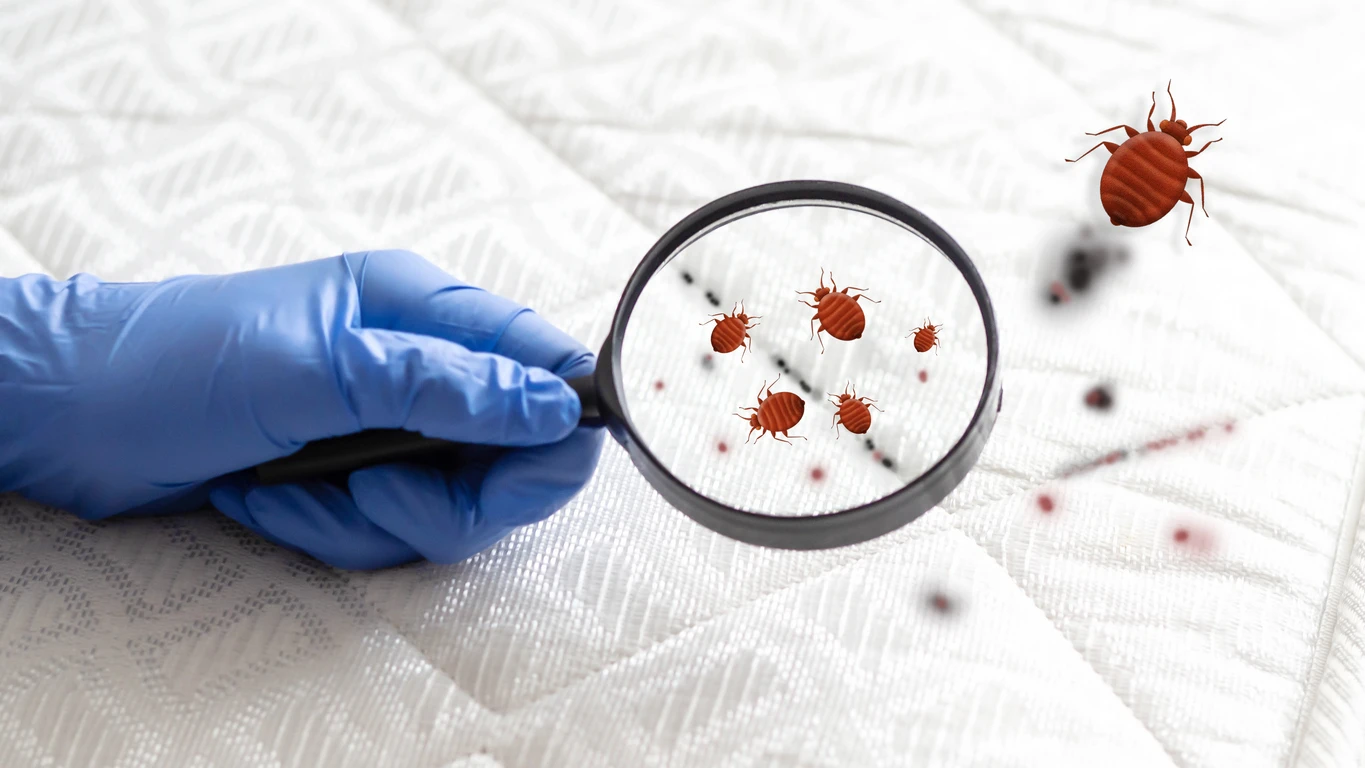

Dealing with bed bugs in Florida? One of the first things people wonder is: who’s actually on the hook for paying, and what’s supposed to happen next? If those nasty bugs were there before you moved in, the landlord usually has to cover extermination. But if the tenant’s negligence brought them in after move‑in, suddenly the bill can land on the tenant’s lap. Let’s break down how Florida handles this stuff—who’s responsible, what the rules say, and what you’re supposed to do if things don’t get fixed.
You’ll get a rundown on what Florida law expects from landlords and tenants when it comes to keeping a place livable and pest-free, who’s got to keep things clean, how to report problems, and what to do if nobody steps up. If you’re dealing with bites or ruined stuff at a short-term rental, you might want to reach out to a bed bug injury attorney—there could be a claim there.
Legal Duties and Responsibilities for Bed Bug Infestations in Florida
Florida law splits up the chores between landlords and tenants, and sometimes leases try to shuffle things around too (if that’s allowed). The rules can change depending on what kind of place you’re renting and whether the bugs were there before you moved in or showed up later.
Landlord Obligations Under Florida Statute 83.51
Landlords are supposed to hand over and maintain a rental that’s actually livable from day one, and they need to follow all the building, health, and housing codes. If you’re in an apartment building or any place with shared areas, Florida Statute 83.51 says landlords have to provide reasonable pest control—so, if bed bugs are there when you move in, or they’re crawling around the hallways, the landlord’s usually paying for the first round of extermination.
Landlords need to jump on the problem once they get notice about bed bugs. If they drag their feet and the place isn’t livable, tenants can use the remedies in the law—but you do have to follow the notice steps first. For single-family homes or duplexes, it’s a bit different, unless your lease spells out that the landlord’s responsible.
Tenant Roles and Required Actions
Tenants have to keep their own areas clean and let the landlord know ASAP if they spot pests. If you don’t keep things sanitary or you forget to report the bugs in writing, you might end up on the hook for the costs—especially if the infestation’s your fault.
It’s smart to keep track of everything—dates you found bugs, photos, copies of emails or letters. Follow whatever prep steps the exterminator gives you (washing clothes, moving furniture, that sort of thing). If you have to leave your place during treatment, you’re expected to cooperate. If you don’t, the landlord might refuse to pay for more treatments and could even charge you instead.
Lease Agreement Provisions and Exceptions
Leases sometimes try to shift pest control duties, but the law won’t let landlords dodge basic habitability requirements in every situation. In multi-unit places, landlords usually still pay for extermination, but in single-family homes or duplexes, a written lease might say the tenant’s on the hook for routine stuff.
If your lease tries to make you pay, it really depends on when and how the infestation started. Courts look at things like pre-move-in inspections, how fast complaints were made, and what the tenant did or didn’t do. Both sides—tenants and landlords—should keep clear records and written notices, just in case things get messy.
Determining Responsibility, Notice Procedures, and Remedies
So, how do you figure out who brought in the bed bugs? What’s the right way to let the landlord know, and what can you do if nobody takes care of it? Here’s what you need to know.
Establishing Cause and Timing of Bed Bug Infestation
It really matters whether the bugs showed up before or after you moved in, because that decides who pays for treatment. Photos, furniture receipts, and any inspection reports from before you moved in can help pin down the timeline. If you moved in and already had bites or there were obvious signs, you might get blamed. But if the bugs appear later and there’s no history of pest control or infestation, the landlord probably has to deal with it.
Sometimes you’ll need a pro—like a pest control tech or investigator—to check things out and write up what they find. If their report shows the bugs are all over the building or in shared spaces, that usually means it’s not your fault. Keep everything organized—dates, notices, reports, receipts—just in case you need proof later.
Required Notification and Documentation Procedures
Florida tenants need to put it in writing when they tell the landlord about bed bugs, and keep a copy. The notice should say what’s wrong, when you found it, and ask for treatment or repairs. You can hand-deliver, send certified mail, or email (if your lease allows it)—just make sure you’ve got proof it was sent.
Landlords should get back to you quickly with a pest control plan and let you know when treatment’s happening. Tenants have to follow the prep instructions and let the exterminators in. Both sides should keep records of everything—who did the treatment, their license number, when it happened, what was done, and any receipts. You never know when you’ll need that info for a legal claim or insurance.
Legal Remedies: Withholding Rent, Lease Termination, and Code Enforcement
In Florida, if your landlord doesn’t keep your place livable, you do have some options. But before you think about holding back rent, you’ll usually need to give written notice first and offer a reasonable amount of time for them to fix things—seven days is pretty standard for bigger problems. And hey, if you do end up withholding rent, don’t just pocket it; you’re supposed to put it into the court registry instead. Honestly, it’s smart to talk to a lawyer before you make any big moves here.
Now, if you’ve given proper notice and the landlord still won’t handle the infestation, you can end your lease and move out—just make sure you send a written notice that says you’re leaving because the place isn’t fit to live in. Another route? You can file a complaint with your local health or housing code folks, and sometimes they’ll step in and force the landlord to get professional exterminators or make repairs. If you end up in court and win, you might get damages, some money off your rent, and even attorney’s fees, depending on what the law or your lease says. It’s not always a quick fix, but those are the main roads you can take.
Frequently Asked Questions (FAQs)
It depends on when the infestation started—landlords usually pay if bed bugs were present before move-in or in shared areas, while tenants may be responsible if their actions caused it after move-in.
Yes, for apartments and multi-unit buildings, Florida law generally requires landlords to provide reasonable pest control, including for bed bugs.
If bed bugs are in hallways or shared spaces, the landlord is typically responsible for extermination and prevention.
Sometimes, especially in single-family homes or duplexes, but leases cannot override basic habitability requirements if the infestation wasn’t the tenant’s fault.
Tenants should notify the landlord in writing immediately, document the issue with photos or notes, and keep copies of all communications.
Yes, if a tenant refuses access or ignores preparation instructions, the landlord may refuse further treatment or pass on the costs.
Courts look at timing, inspection reports, pest control records, tenant behavior, and whether proper notice was given.
Yes, tenants must provide written notice describing the problem and requesting treatment, and they should keep proof it was sent.
Only after giving proper written notice and following legal steps, including depositing rent into the court registry—not simply stopping payment.
After proper notice, tenants may terminate the lease, contact code enforcement, or pursue legal action for damages or rent reductions.