
Let’s be honest: nobody wants to move into a new apartment just to discover a bed bug problem. The viral TikTok method for checking your place is quick and straightforward—no need to overthink it.
Here these sneaky little reddish-brown bugs love to hide. Check the seams of your mattress, the edges of furniture, and those annoying crevices for tiny bugs, weird blood stains, or dark spots. It takes less than two minutes if you know what to look for.
This fast scan zeroes in on the prime hiding places. You don’t need fancy equipment or deep entomology knowledge. If you spot rust-colored stains or tiny dark specks, it’s a warning sign—catching these early can save you a lot of hassle down the line.
If you do find evidence or even just have that sinking suspicion, don’t ignore it. Sometimes, you’ll need to know your rights, especially if you’re dealing with hotels or short-term rentals. There are resources out there on legal claims for bed bug injuries if you want to dig deeper.
The Viral TikTok Method: Fast Self-Inspection for Bed Bugs
This method keeps things simple: focus on the usual hiding spots, grab a couple of basic tools, and look for visual clues like tiny eggs or dark spots. It’s all about speed and practicality.
What You Need for a Quick Bed Bug Inspection
Grab a bright flashlight (your phone can work in a pinch) and a stiff card or piece of paper. The flashlight helps you see into those dark cracks and folds, and the card lets you poke around mattress seams or crevices without getting your hands dirty.
If you have a disposable glove or even just a tissue, it’s handy for picking up anything suspicious. Daylight helps, but any good light source will do. Wear light clothes so you can spot anything crawling on you. No need for a toolkit—keeping it simple makes things faster.
Step-by-Step Guide: Checking Key Hiding Spots
Start with the mattress—edges, seams, and piping. That’s where adult bugs usually hang out. Strip off all the bed linens and check underneath, especially in the corners where fabric meets fabric.
Then move on to the box spring and bed frame. Pay attention to joints and any wooden slats. Don’t forget behind the headboard or any wall-mounted furniture near the bed. Cracks in the wall, electrical outlets, and even curtains nearby can be hiding spots.
Shine your flashlight to spot dark stains or any tiny bugs on the move. Use the card to gently scrape along seams or cracks—you might catch something hiding just out of sight.
Spotting Bed Bug Eggs, Fecal Marks, and Shed Skins
Eggs are tiny, pearly white ovals, stuck in clusters in crevices. They’re about 1 millimeter long and usually cling to fibers or the edges of things.
Fecal stains look like little dark, rusty dots, often near seams or folds. If you see these, it means they’ve probably been there for a while. Shed skins are translucent, empty shells left behind as they grow, usually found near eggs or those dark marks.
If you spot these, even without seeing live bugs, it’s a pretty good indicator they’re around and you’ll want to take action.
What to Do Next: Immediate Actions and Professional Help
So you’ve found something—now what? Acting quickly is key. Letting the right people know, keeping things clean, and watching for more signs can help keep things from getting out of hand until professionals step in.
What to Do If You Find Signs of Bed Bug Infestation
See reddish stains, dark spots, eggshells, or live bugs? Don’t wait. Tell your property manager or landlord in writing, so it’s on record, and you can start getting help.
Wash and dry all bedding and affected fabrics on high heat—that’ll kill bugs and eggs. Once they’re clean, seal them in airtight bags so nothing gets back in.
Don’t move your furniture around or take it to another room, since that can spread the problem. Instead, vacuum thoroughly—hit the seams, bed frame, upholstery, and corners. Mattress encasements can help trap whatever’s left and starve them out.
When to Call a Pest Control Professional
If you’ve confirmed there’s an infestation, it’s time to call in a licensed pest control pro. They’ve got the tools and know-how you just can’t match at home.
These bugs are tough, can hide for months, and sometimes need more than one treatment to get rid of them. Before you make the call, check if your landlord has a go-to company. Make sure all furniture and storage areas are cleared out and easy to reach so they can do their job.
DIY fixes rarely cut it and can even make things worse. Your best bet is to work with the professionals and follow their instructions—teamwork here really does make a difference.
Monitoring for Bed Bug Bites and Further Infestations
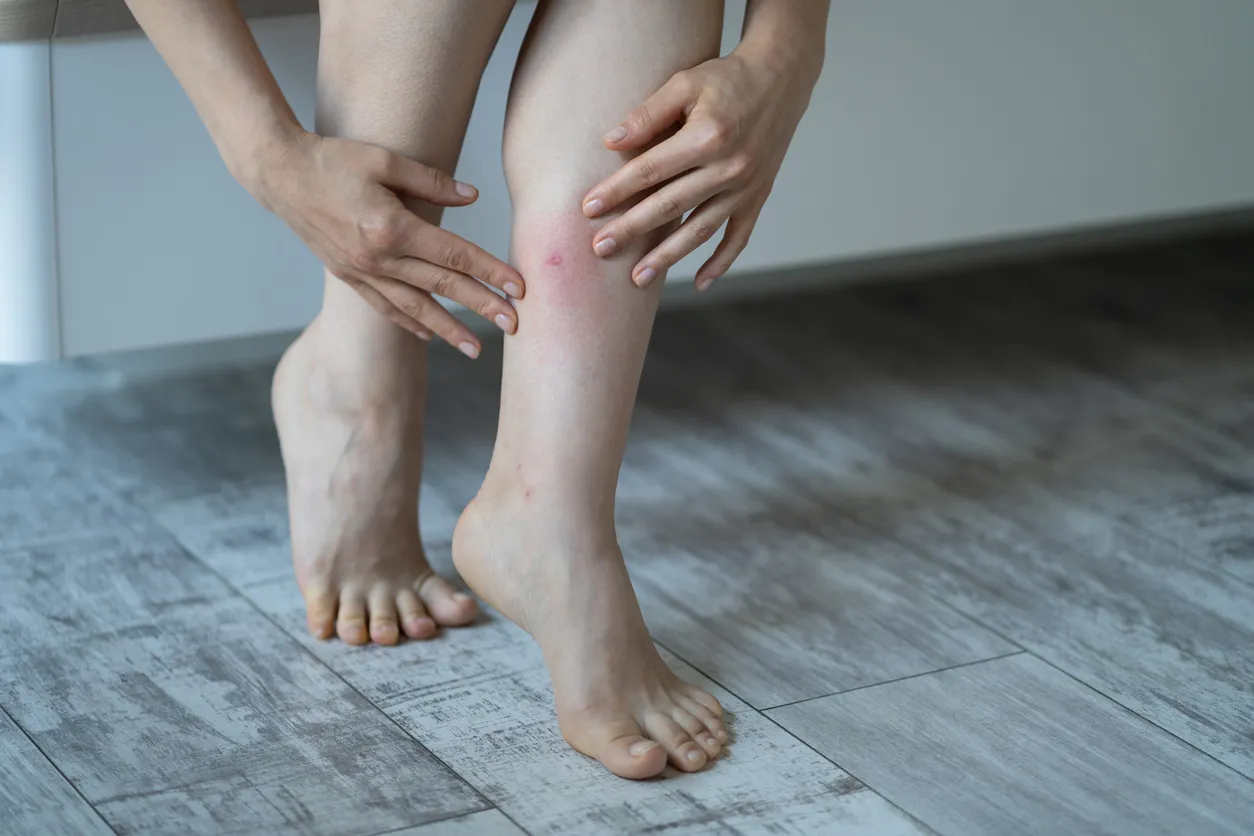
Staying alert after finding bed bugs is a must. Bites can look a lot like other insect bites or even some skin issues, but if you spot clusters of itchy welts popping up overnight, it’s probably worth a closer look.
It’s smart to check bedding and furniture regularly for fresh clues—especially in those sneaky places like curtain folds, electrical outlets, and along the baseboards.
Interception traps under furniture legs? Not a bad idea. They can catch bugs on the move before things get out of hand. Snapping photos of anything suspicious makes it easier to talk with your landlord or pest pros, too.
Keeping clutter down, sealing up cracks, and moving fabrics in sealed bags or bins really helps cut down the risk of another round.
Frequently Asked Questions (FAQs)
In under two minutes—you only scan key hiding spots like seams, edges, and crevices.
A bright flashlight and a stiff card are enough; gloves or tissues just make it cleaner.
Look for tiny reddish-brown bugs, dark fecal dots, rust-colored stains, eggs, or shed skins.
They favor mattress seams, box springs, bed frames, headboards, wall cracks, and fabric folds.
Notify your landlord immediately, wash bedding on high heat, vacuum thoroughly, and avoid spreading items between rooms.
If there’s confirmed activity or multiple warning signs—DIY methods rarely eliminate full infestations.
Reduce clutter, seal cracks, use mattress encasements, and monitor with traps or quick visual checks.