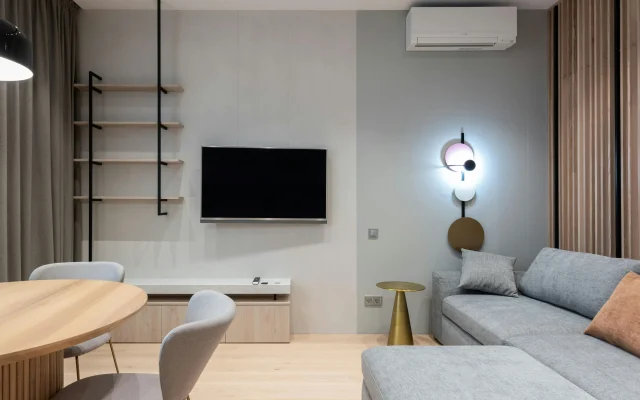
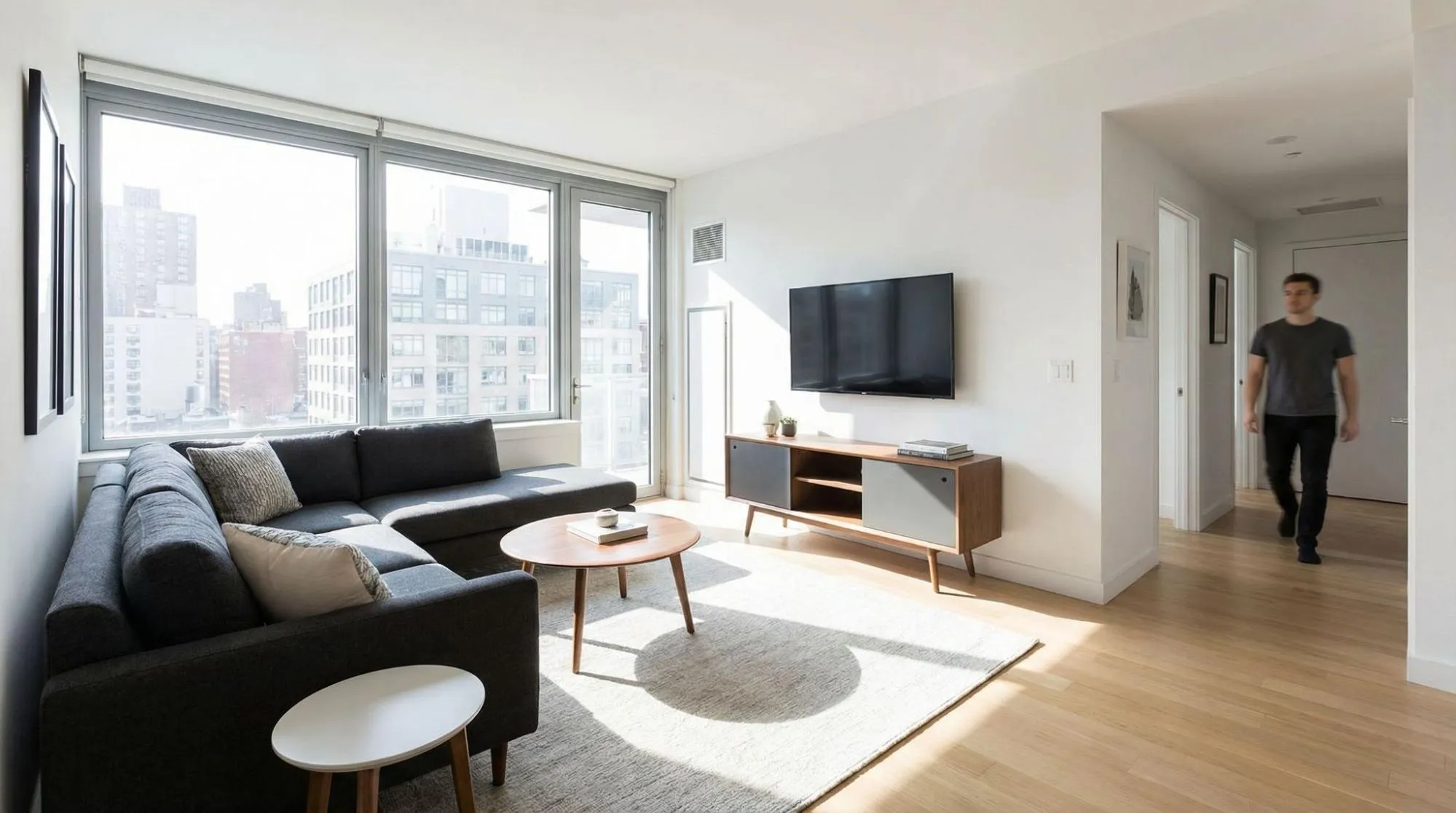
Sarah found her perfect Houston apartment. The price fit her budget, the location was ideal, and the floor plan looked spacious. She signed the lease immediately, excited to move her furniture from storage. Three weeks later, movers delivered her queen bed. It fit in the bedroom, but only if positioned directly against the closet doors, making them completely inaccessible. Her sofa blocked the apartment door when placed in the only logical position in the living room. Those mistakes cost her $1,200 in furniture she had to replace.
Apartment hunting involves numerous decisions: location, price, amenities, and lease terms. Yet one critical factor often gets overlooked until moving day reveals expensive problems. Will your furniture actually fit? Not just technically squeeze into rooms, but fit in ways that create functional, livable spaces?
Three-dimensional room planning solves this problem before you sign a lease. Virtual visualization lets you test your furniture in prospective apartments, revealing conflicts and confirming that layouts work for your actual belongings. This planning prevents costly mistakes and ensures the apartment you choose genuinely accommodates your life.
Why Apartment Floor Plans Deceive
According to the National Apartment Association, over 40 percent of renters discover furniture problems after moving into new apartments. Floor plans create this issue by showing dimensions without context for how spaces actually function.
A 12×14 bedroom appears generous on paper. The floor plan shows 168 square feet of space. What it doesn’t show: the door swings inward, consuming floor area. The closet sits on the only wall long enough for a bed, meaning your bed must go against windows or block the closet. A radiator occupies another wall section. That generous 168 square feet becomes maybe 100 functional square feet once you account for real-world constraints.
The Studio Apartment Trap
Studio apartments present particularly deceptive floor plans. They show one large rectangular space, perhaps 450 square feet. Renters imagine spacious living. Reality proves different once you position a bed, sofa, dining table, and desk in that single room.
Kitchen alcoves reduce usable space. Bathroom door swings claim the floor area. Entry walkways need clearance. Windows and radiators limit furniture placement. Columns in older buildings further restrict arrangements. That 450 square feet shrinks to perhaps 300 truly usable square feet.
Doorway and Hallway Dimensions
Floor plans rarely indicate doorway widths or hallway dimensions. Standard apartment doors measure 30 to 32 inches wide. Your 36-inch-wide dresser won’t fit through them. The hallway turns into bedrooms might be too tight for your sectional sofa, even though the living room itself offers adequate space.
These access issues force expensive furniture replacements or complete redesigns of your living space. Problems appear only on moving day, when it’s far too late to change apartments.
How Arcadium 3D Tool Reveals the Truth
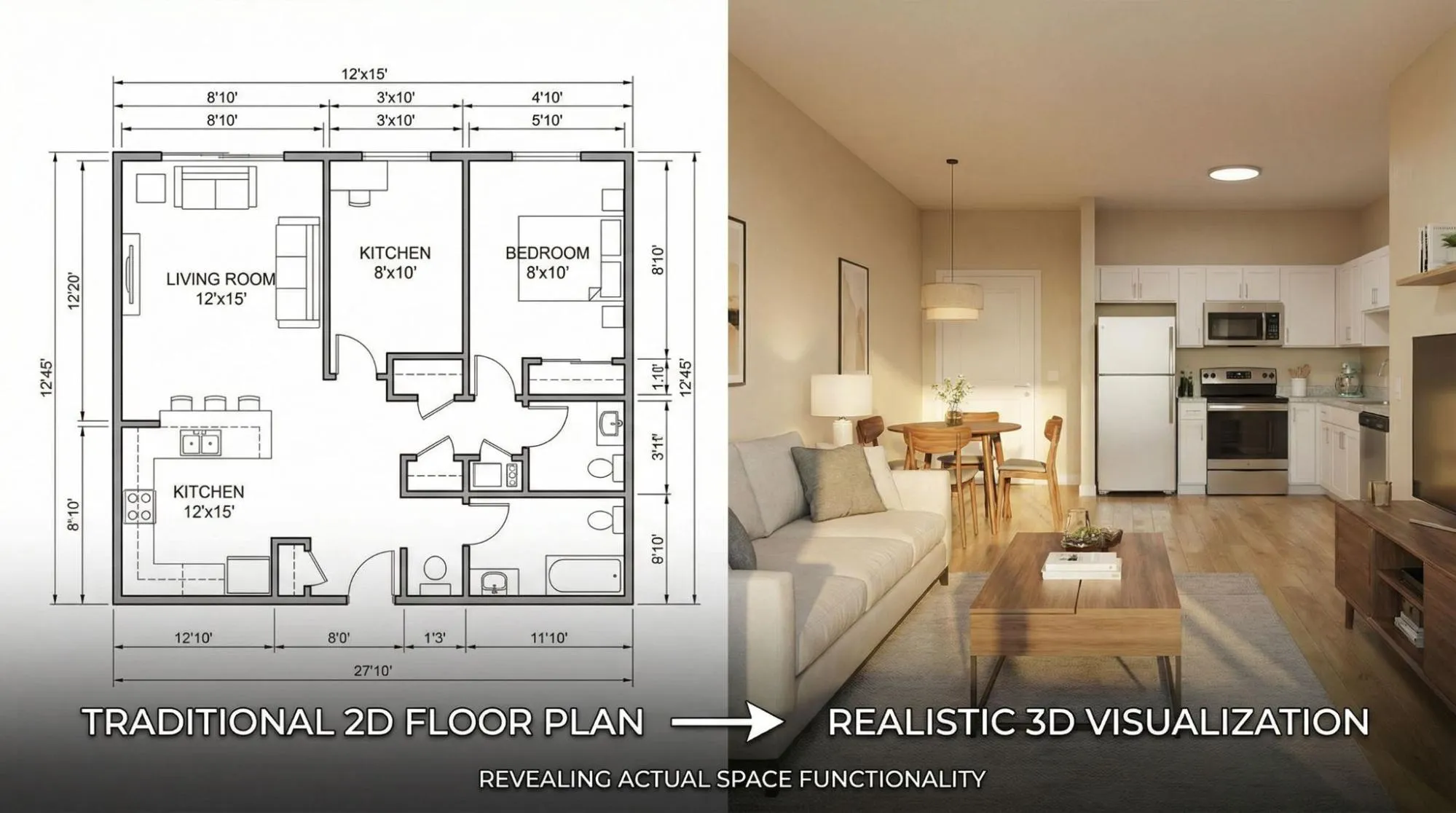
Virtual room planning transforms abstract floor plans into realistic visualizations. I found a tool named Arcadium 3d room design tool lets you create accurate digital versions of prospective apartments using dimensions from floor plans. You then place your actual furniture into these virtual spaces, immediately seeing what works and what creates problems.
Testing Your Existing Furniture
If you own furniture, you know its exact dimensions. Input these measurements into Arcadium to create digital versions of your bed, sofa, dresser, desk, and other pieces. Then arrange them in your prospective apartment’s virtual model.
The visualization shows immediately whether everything fits comfortably or creates cramped, dysfunctional spaces. You discover that your queen bed works perfectly in the bedroom while maintaining closet access. Or you learn the bed blocks the closet, forcing you to downsize to a full bed or choose a different apartment.
This testing prevents Sarah’s expensive mistake. She would have seen her bed blocking closet doors and her sofa interfering with the entry before signing a lease, allowing her to choose a different apartment or plan different furniture.
Comparing Multiple Apartment Options
When apartment hunting, you typically tour multiple options before deciding. Perhaps you’re choosing between a 650-square-foot one-bedroom and a 550-square-foot studio. Both seem acceptable during tours, but which actually accommodates your furniture better?
Create virtual models of both apartments in Arcadium. Place identical furniture in each model. Compare the results directly. You might discover the smaller studio actually functions better because its layout suits your furniture, while the larger one-bedroom has awkward proportions that waste space.
This comparison provides concrete, visual evidence for decision-making rather than relying on gut feelings or misleading square footage numbers.
Planning Furniture Purchases
First-time renters or people downsizing from houses often need to buy apartment-appropriate furniture. Virtual planning guides these purchases by showing exactly what sizes work in your specific space.
Arcadium includes extensive furniture libraries with accurate dimensions. Browse sofas, beds, tables, and storage units virtually. Test different options in your apartment model before purchasing anything. Discover whether you need a 72-inch sofa or can accommodate an 84-inch model. Determine if a queen bed fits or if you should buy a full instead.
This planning prevents buying furniture that doesn’t fit, saving hundreds or thousands in returns, exchanges, or replacements.
Critical Apartment Layout Considerations
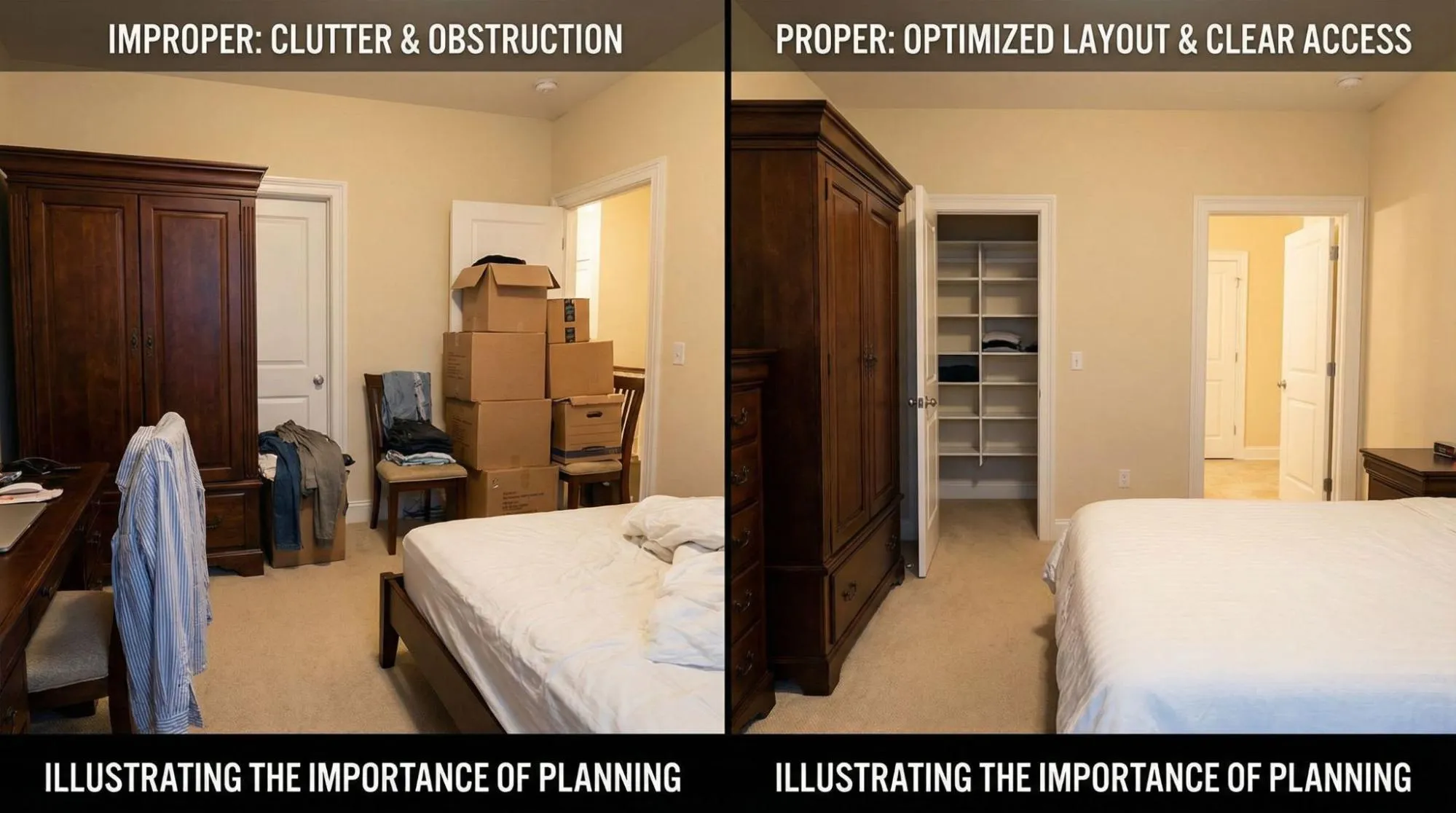
Beyond basic furniture fit, several layout factors significantly impact apartment livability. Virtual planning helps evaluate these before signing a lease.
Circulation Space Requirements
Designers recommend maintaining 30 to 36 inches of clearance for walkways. In practice, many apartment layouts barely achieve this once furniture occupies rooms. Arcadium’s 3D perspective clearly shows circulation space, revealing whether you can actually walk comfortably through your apartment or if tight squeezes create daily frustration.
Test specific scenarios virtually. Can you walk from the bedroom to the bathroom at night without navigating an obstacle course? Does the path from the entry to the kitchen allow carrying groceries comfortably? Can you open dresser drawers fully without moving other furniture? These practical details determine the quality of life.
Living and Dining Areas
Combined living and dining areas appear spacious in empty apartments. Once you add a sofa, coffee table, TV stand, dining table, and chairs, spaces often feel cramped. Virtual planning shows exactly how much room remains after furnishing.
Position furniture in Arcadium to verify the dining table doesn’t block the kitchen entry. Ensure the sofa placement allows TV viewing without glare from windows. Confirm adequate space exists between the coffee table and sofa for comfortable seating. Test whether you can pull dining chairs out fully without hitting walls or other furniture.
Storage Solutions
Apartments typically provide limited closet space. Additional storage furniture becomes necessary, but finding placement can prove challenging. Use virtual planning to identify walls suitable for bookcases, wardrobes, or storage cabinets. Verify these pieces don’t block windows, outlets, or heating units.
Test creative storage solutions virtually. Wall-mounted shelving, under-bed storage, or over-door organizers require specific spatial arrangements. Arcadium helps determine what works in your particular apartment configuration.
Making Confident Lease Decisions
Apartment hunting creates stress and urgency. Desirable units get rented quickly. Pressure to decide fast often leads to poor choices based on incomplete information. Virtual room planning reduces this uncertainty by providing clear answers about furniture fit before you commit.
After touring apartments, request floor plans from leasing offices. Most provide these readily. Spend a few hours creating virtual models and testing furniture arrangements. This investment prevents expensive mistakes and ensures your chosen apartment actually works for your life.
The confidence gained through visualization allows decisive action when you find apartments that genuinely suit your needs. You sign leases knowing everything fits and functions properly rather than hoping things work out after moving day.
Frequently Asked Questions (FAQs)
It’s a way to create a virtual model of an apartment and place furniture inside it to see how everything fits before signing a lease.
Floor plans show dimensions but ignore door swings, closets, radiators, and walkways that reduce usable space.
Yes, it reveals conflicts early so you avoid buying or moving furniture that won’t work in the space.
It shows how one open room actually functions once you add a bed, sofa, table, and desk.
Absolutely, because large furniture may fit a room but still fail to get through doors or tight hallways.
Yes, you can input exact furniture dimensions to see if your existing pieces fit comfortably.
It helps you compare layouts visually and choose the unit that works best with your furniture.
It shows the exact sizes that fit your apartment, reducing returns and wasted spending.
Most designers recommend 30 to 36 inches, which 3D planning makes easy to verify.
Right after touring and before signing the lease, so decisions are based on real functionality, not guesswork.