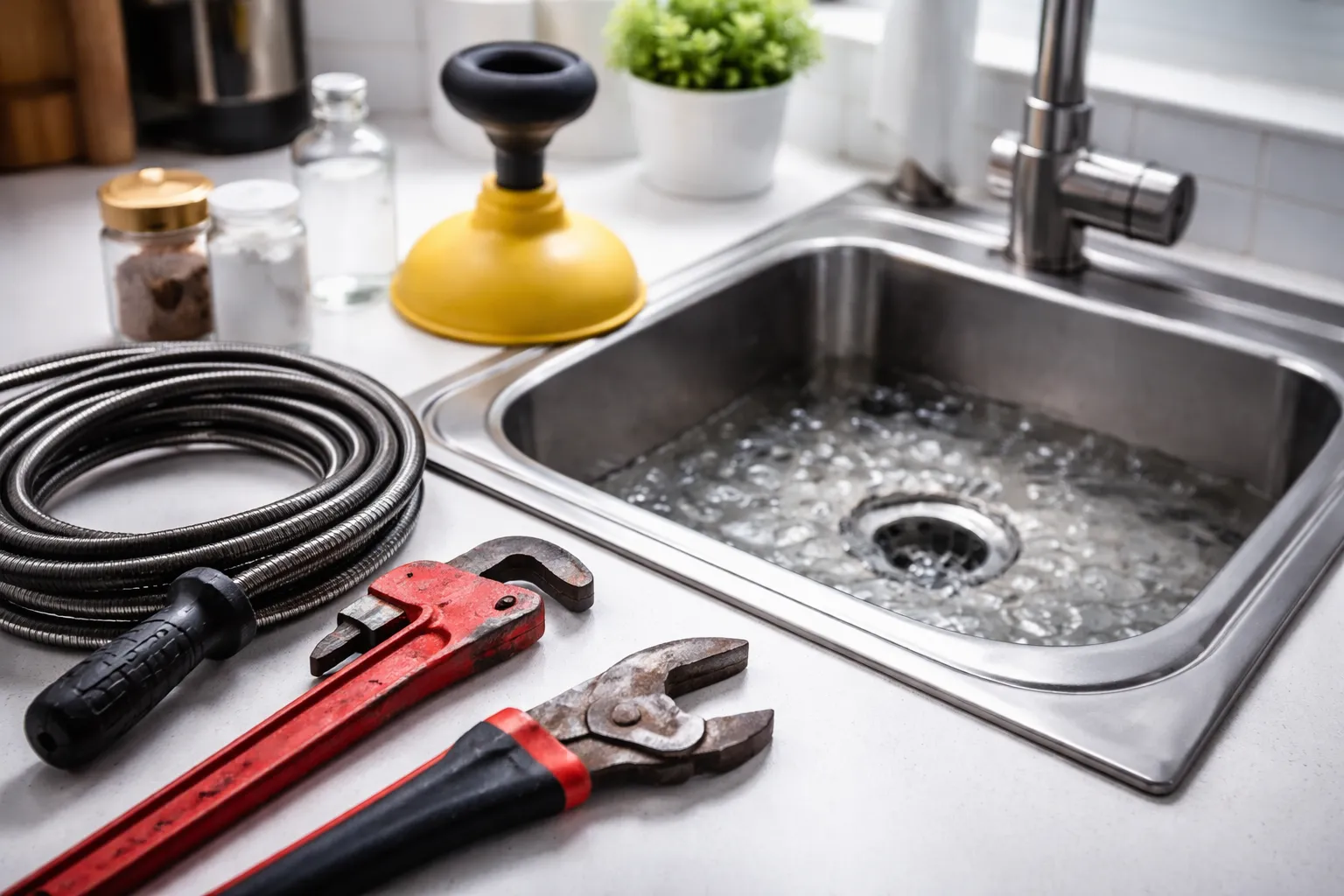
Dealing with a slow drain can be an inconvenient irritation. Water begins to pool in the sink, leaving you wondering whether to grab a plunger or reach for your mobile to call a plumber. Understanding when to tackle the problem yourself and when to seek professional assistance can save you time, effort, and potentially, money.
Understanding the Causes of Slow Drains
Before deciding whether to DIY or call in the experts, it’s important to understand what might be causing the slow drainage. Common culprits include hair, soap residue, and food particles, while more complex issues could stem from tree roots infiltrating underground pipes or plumbing system deterioration.
- Clogs: The most typical reason for a slowdown in drainage is a blockage. This often occurs in bathrooms where hair and soap scum accumulate.
- Pipe Issues: Deteriorating pipes can lead to slow drains. Corrosion or rust can narrow passageways, inhibiting smooth water flow.
- Ventilation Problems: Your plumbing system requires proper venting to facilitate drainage. Blocked or damaged vents can create issues.
Knowing these fundamental causes can shape your approach to resolving the slow drainage problem, making it easier to decide whether to grab the tools or reach out for professional solutions for slow or blocked sinks.
DIY Solutions: When They Work
If you suspect a simple clog, there are several DIY strategies you can employ before picking up the phone. The following methods can often restore flow without extensive intervention:
1. Boiling Water
Sometimes, a simple pour of boiling water down the drain can work wonders. This method especially helps if the blockage consists of grease or soap residue.
2. Baking Soda and Vinegar
This classic duo can work effectively for minor clogs. Pour half a cup of baking soda down the drain, followed by half a cup of vinegar. Allow it to fizz for about 30 minutes, then flush it out with hot water.
3. Plumber’s Snake
If boiling water or baking soda doesn’t do the trick, a plumber’s snake can often reach deeper clogs. It’s a flexible tool designed to break up or retrieve blockages, making it a must-have for any DIY toolbox.
4. Wet/Dry Vacuum
If you have a wet/dry vacuum, this can serve as an excellent option for sucking out the clog. Ensure you set it to liquid mode and create as tight a seal as possible to maximize suction.
While these methods can often be effective, they may not always provide a long-term solution. If you’re still dealing with slow drainage after these attempts, it might be wise to consult with an expert.
When to Call a Plumber
Sometimes, the problem extends beyond the capabilities of any DIY method. Here are some scenarios in which calling in a plumber makes the most sense:
1. Persistent Blockage
If you’ve tried multiple DIY methods and your sink remains slow, it could indicate a deeper problem within the plumbing system.
2. Multiple Drains Affected
If more than one drain in your home is slow, the issue could lie in the main sewer line. A professional is better equipped to handle this situation, as it may require specialized tools and techniques.
3. Foul Odours
Lingering odours can be a sign of serious issues involving waste buildup in your plumbing system. If you notice smells that don’t dissipate after plumbing attempts, it’s time to call a plumber.
4. Slow Drains with Gurgling Sounds
Gurgling noises can indicate an air blockage in your plumbing system. This is often not something that can be resolved easily at home and may require specialized tools and expertise.
5. Water Backup
Water backing up into the sink or toilet is a strong signal that professional intervention is necessary. Such occurrences may indicate a sewer line issue, necessitating immediate attention.
The Benefits of Professional Help
Engaging a plumber offers a wide range of benefits. Here’s why you might consider investing in professional solutions for slow or blocked sinks:
- Expertise: Plumbers possess the training and experience to identify problems that may not be apparent to the average homeowner.
- Advanced Tools: Professional plumbers have access to advanced technology and tools designed to diagnose and resolve plumbing issues swiftly.
- Long-Term Solutions: They can address underlying problems that DIY methods might overlook, reducing the risk of future plumbing headaches.
- Insurance and Warranty: Many plumbing services offer warranties, providing peace of mind that issues will be handled efficiently and effectively.
Conclusion
When faced with slow drains, understanding when to roll up your sleeves and when to call in the experts can significantly impact your experience. DIY methods are often effective for minor blockages, while more complex issues call for professional insight.
Weigh your options carefully. A small investment in expert assistance could ultimately save you from extensive repairs down the line. Do your research, know your capabilities, and don’t hesitate to ask for help when necessary. Your plumbing system is vital to your home’s functionality; keeping it in top shape is worth the effort.
Frequently Asked Questions (FAQs)
Slow drains are commonly caused by buildup from hair, soap residue, grease, or food particles, though deeper pipe or vent issues can also be responsible.
Yes, boiling water is generally safe for metal pipes and can help dissolve grease or soap buildup, but it should be avoided on older PVC pipes.
This method works best for minor clogs and routine maintenance but may not resolve heavy or deeply lodged blockages.
A plumber’s snake is useful when simple flushing methods fail and you suspect a clog slightly deeper in the pipe.
Yes, when properly sealed and set to liquid mode, a wet/dry vacuum can remove soft clogs near the drain opening.
If the drain remains slow after multiple DIY attempts or repeatedly clogs, it’s likely a deeper issue needing professional help.
When several drains are affected, it often points to a main sewer line problem that requires specialized equipment.
Gurgling usually signals air or venting problems in the plumbing system, which are best handled by a plumber.
Persistent odors can indicate trapped waste or sewer problems and shouldn’t be ignored if DIY methods don’t help.
Yes, a plumber can address underlying issues and provide long-term solutions that reduce the risk of recurring clogs.