
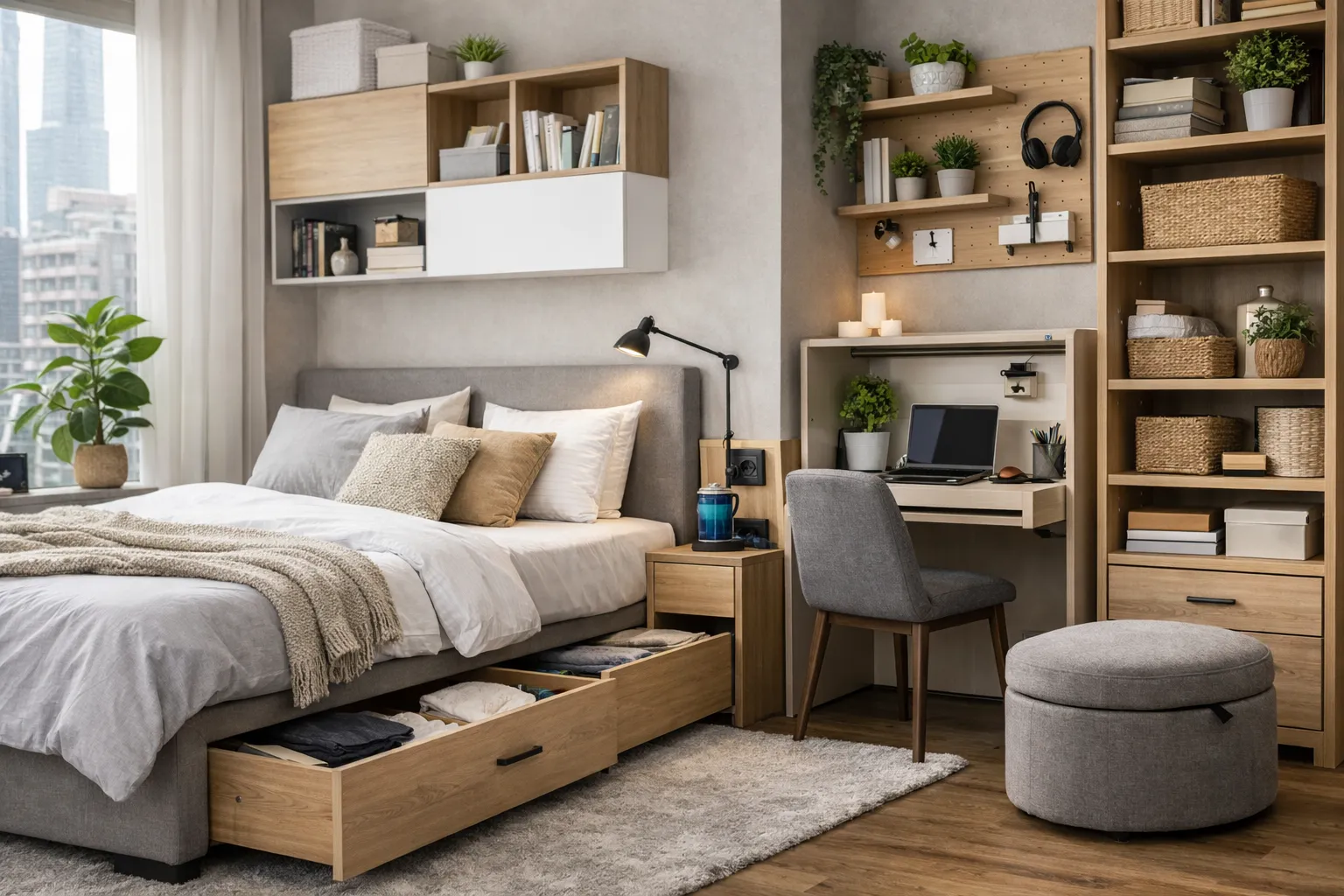
In recent years, urban living has transformed the very fabric of our daily lives, influencing everything from architecture to interior design. As cities expand and more people flock to urban centres, the need for functional, stylish, and flexible living spaces has become paramount. This shift has sparked a wave of innovation in bedroom furniture, where space constraints and diverse lifestyles drive the need for creative solutions.
For many city dwellers, the bedroom is not merely a place to sleep; it serves multiple roles. From home offices to relaxation zones, the versatility of this space is crucial. Therefore, innovative furniture designs that maximise space efficiency while enhancing aesthetics are more relevant than ever.
One of the prominent trends in urban bedroom furniture is the integration of smart technology with traditional pieces. For instance, beds equipped with built-in USB ports or wireless charging capabilities have become essential for those who balance work and leisure within the confines of their homes. But it doesn’t stop there; furniture innovators are also focusing on how to create multifunctional pieces that can serve various purposes without sacrificing style.
Space-Saving Solutions and Smart Design
In adapting to the needs of modern urbanites, furniture designers have increasingly embraced minimalist aesthetics alongside functionality. Consider the rise of premium storage-focused bed frames. These cleverly designed pieces are not just about having a place to lay your head; they come equipped with various storage compartments, making them ideal for homes with limited space. This is where effective bedroom organisation solutions come into play. By utilising the area beneath the mattress for storage, they help declutter the space while maintaining an appealing look.
Furthermore, modular furniture allows residents to customise their living environments. Modular shelving units, collapsible desks, and adjustable wardrobes are just a few examples of how furniture can adapt to the user’s evolving needs. Such flexibility is invaluable in urban settings, where life can change rapidly. Whether you’re relocating for a job or simply reorganising your living space, having adaptable furniture makes the transition smoother.
Blending Aesthetics with Functionality
The modern urban bedroom now often blends style and function. However, this isn’t just about squeezing in more pieces; it’s about creating a harmonious environment that reflects individual taste while serving practical purposes. Emerging design philosophies emphasise sustainability, utilising eco-friendly materials that contribute to a healthy living space.
For example, reclaimed wood and recycled metals are being used more frequently in furniture design, offering unique visual appeal and promoting environmental responsibility. The modern consumer is not just looking for beautiful furniture; they are also increasingly aware of the impact their choices have on the planet. This eco-conscious mindset drives manufacturers to innovate tirelessly.
Additionally, colour palettes and patterns have become more diverse and tailored to evoke specific moods. Biophilic design, which seeks to bring elements of nature inside, is gaining traction. This might include using organic shapes, earthy tones, or incorporating plants into bedroom design. The main idea is to create a personal oasis that promotes relaxation and wellness amidst urban chaos.
The Role of Smart Technology
Technology is undoubtedly changing how we interact with our living spaces. The rise of the Internet of Things (IoT) allows for increased control over virtually every element of a bedroom. Smart lighting systems enable residents to adjust the ambience with the touch of a button, while apps can help manage everything from temperature to sleep quality. The ultimate goal is to create environments that are not just functional, but also conducive to overall well-being.
Moreover, privacy and security concerns are being addressed through innovative designs. With the advent of noise-cancelling materials and smart curtains that provide a barrier against unwanted noise or prying eyes, urban living can now be more tranquil than ever.
Making the Most of Limited Space
Adaptation is key in urban living, where square footage is at a premium, and every inch counts. This has led to an increased emphasis on innovative bedroom organisation solutions that maximise storage without appearing cluttered. Beds with built-in drawers, ottomans that double as seating, and collapsible tables are invaluable for creating an efficient living space.
Additionally, vertical space is often underutilised. Designers are now creating units that extend upwards, like tall shelving or hanging racks, allowing residents to make the most of their bedroom heights. This not only clears floor space but also offers an opportunity for decorative expression.
Future Trends in Urban Bedroom Furniture
Looking ahead, several trends are on the horizon for urban bedroom furniture. The blending of work and home life is likely to continue, encouraging further innovation in multifunctional designs. Expect to see more pieces that cater to remote workers, including sophisticated office desks that can easily transform from workstations during the day to relaxation spots by night.
Smart technology will also advance, integrating deeper learning algorithms that adapt to individual user habits. Imagine a bed that adjusts its firmness to help you sleep better or a wardrobe that suggests outfits based on the weather and your schedule.
Conclusion
Urban living is undoubtedly shaping the future of bedroom furniture, pushing designers to think creatively about space, functionality, and sustainability. As city dwellers adapt to smaller, multifunctional living areas, the furniture industry must rise to the occasion, delivering innovative and appealing solutions that enhance our daily lives.
Ultimately, the evolution of bedroom furniture reflects more than just changing styles; it embodies a shift in our collective lifestyles. The way we organise and utilise our personal spaces has a profound impact on our well-being and productivity, making these developments essential for modern living. As innovations continue to unfold, urban bedrooms are set to become even more personalised, functional, and refined.
Frequently Asked Questions (FAQs)
Urban living often involves smaller spaces, pushing designers to create furniture that maximises functionality, flexibility, and efficient use of space.
Multifunctional furniture serves more than one purpose, such as beds with storage, desks that fold away, or ottomans that double as seating and storage.
Smart features like USB ports, wireless charging, smart lighting, and sleep-tracking systems improve convenience, comfort, and overall well-being.
They utilise under-bed space for storage, helping reduce clutter without requiring additional furniture in compact urban bedrooms.
Modular furniture allows residents to reconfigure or expand pieces easily, making it ideal for changing lifestyles and frequent moves.
Designers increasingly use eco-friendly materials like reclaimed wood and recycled metals to meet consumer demand for environmentally responsible products.
Biophilic design incorporates natural elements, such as organic shapes and earthy tones, to create calming, wellness-focused living spaces.
They focus on vertical storage, built-in compartments, and collapsible furniture to free up floor space while maintaining style.
Yes, many designs now integrate hidden desks, fold-out workstations, and adaptable layouts to support work-from-home needs.
Future trends include advanced smart furniture that adapts to user habits, improved multifunctional designs, and deeper integration of technology and wellness features.