
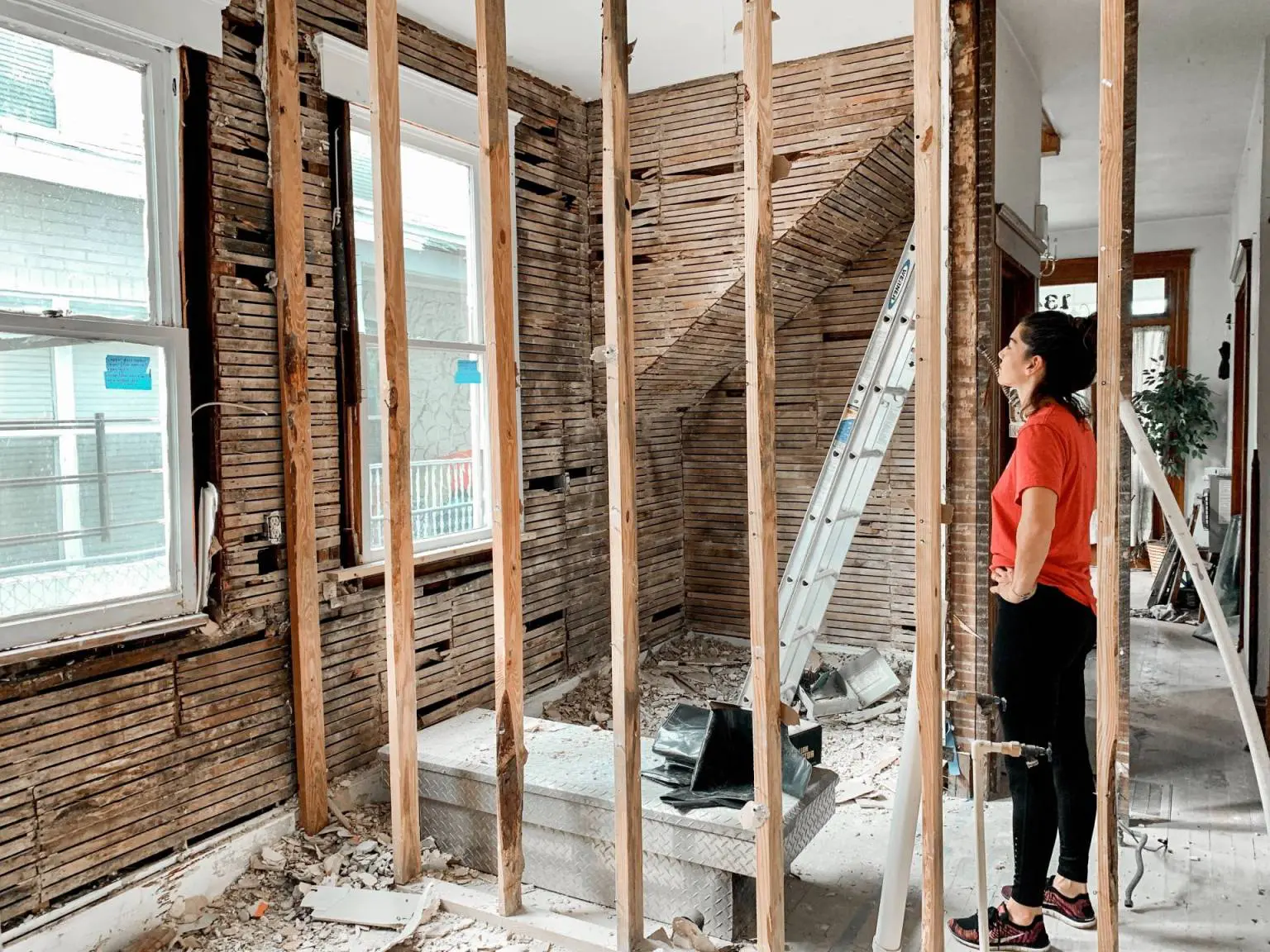
DIY skills often get treated as hobbies or weekend distractions. In reality, they work more like practical life tools. Knowing how to handle small repairs, upgrades, and maintenance tasks helps reduce delays, avoid unnecessary expenses, and extend the lifespan of everyday items. For apartment residents, these skills minimize dependence on maintenance schedules. For property owners, they protect property value and reduce operating costs. Even simple hands-on knowledge can lead to steady savings that add up over time.
Why Everyday DIY Skills Have Real Financial Impact
Most household problems start small. A dripping faucet, a loose cabinet hinge, or a scuffed wall might seem harmless at first. Over time, these issues can grow into larger, more expensive repairs. Learning to handle minor fixes early keeps problems contained and prevents damage that could require professional intervention.
Service calls often come with minimum fees, even for quick tasks. A repair that takes 15 minutes can cost hundreds once labor and scheduling delays are added. DIY skills remove that friction. You fix the issue when it happens, not days later, and you avoid paying for time you did not actually need.
Basic Plumbing Fixes That Add Up Fast
Plumbing is one of the most cost-effective areas for DIY learning. Tasks like replacing faucet washers, tightening loose fittings, or unclogging slow drains require minimal tools and basic instruction. These fixes reduce water waste and prevent damage to cabinets, flooring, and walls.
A constantly running toilet, for example, can waste thousands of gallons of water per year. Replacing a worn flapper costs very little and takes only minutes. Over time, these small fixes lower utility bills and prevent larger plumbing failures that disrupt daily life and require costly emergency service.
Smart Tool Use and Safety Awareness
DIY work becomes far more efficient once basic tools are used correctly and safely. Understanding how to maintain tools, store them properly, and use protective equipment reduces both injury risk and replacement expenses. Safety awareness also prevents rushed mistakes that lead to damaged materials.
For those handling metalwork or repair projects involving welding, eye protection matters. Auto-darkening lenses allow continuous visibility while protecting eyesight, which improves accuracy and efficiency. Ridge Products Welding offers shade 11 welding lenses that automatically adjust to light changes, helping users work faster and with fewer interruptions.
Paint and Surface Touch-Ups That Extend Value
Fresh paint changes how a space feels more than almost any other update. Learning proper surface prep, edging, and rolling techniques allows residents and owners to refresh walls without replacing furniture or décor. Touch-ups also help maintain a clean appearance between tenants or during long-term occupancy.
The same principle applies to minor drywall repairs. Small holes, dents, or cracks can be patched and sanded quickly. Addressing surface damage early avoids the need for full wall replacement or repainting later. This skill alone can protect security deposits and reduce turnover costs.
Furniture Repair Instead of Replacement
Furniture often gets replaced long before it actually needs to be. Loose joints, worn finishes, or minor damage can usually be repaired with simple tools and materials. Tightening fasteners, applying wood glue, or refinishing surfaces extends the life of tables, chairs, and storage units.
For apartment dwellers, this means fewer bulky purchases and moving challenges. For property owners, it means lower furnishing costs and fewer replacement cycles. Repairing instead of replacing also cuts disposal fees and reduces waste.
Basic Electrical Tasks That Reduce Downtime
While major electrical work should always be left to licensed professionals, basic tasks can be handled safely with proper precautions. Replacing outlet covers, light fixtures, or faulty switches often requires shutting off power and following clear instructions.
These small fixes improve functionality and appearance without waiting for appointments. They also help identify issues early, making it easier to address problems before they affect larger systems or violate safety standards.
Sewing and Fabric Repairs That Stretch Use
Clothing and household fabrics wear out faster when small issues go unfixed. Learning how to replace buttons, repair seams, or hem garments extends usability and reduces replacement costs. The same skills apply to curtains, cushion covers, and reusable bags.
This skill is especially useful for renters who want to refresh a space without permanent changes. Fabric updates cost less than buying new items and can be adjusted as styles or needs change.
Outdoor and Plant Care That Lowers Ongoing Costs
Even limited outdoor or balcony space can support basic plant care. Growing herbs or maintaining container plants reduces grocery spending and adds functional greenery. Simple knowledge of watering schedules, pruning, and soil care prevents plant loss and replacement costs.
Outdoor maintenance skills also reduce the need for landscaping services. Regular upkeep keeps shared or private spaces usable and avoids seasonal repair expenses.
Knowing When DIY Makes Sense — and When It Doesn’t
DIY skills are about balance, not replacing professionals entirely. Structural work, complex electrical systems, and major plumbing projects still require licensed expertise. The real value of DIY lies in handling everyday issues quickly and confidently while recognizing limits.
Addressing small problems early reduces the likelihood of emergencies. It also makes professional work more focused and less expensive when it is needed.
Long-Term Benefits Beyond the Budget
DIY skills do more than save money. They reduce stress by eliminating wait times and uncertainty. They also build confidence and encourage better care of living spaces. Over time, this leads to fewer breakdowns, smoother routines, and better use of resources.
Whether you live in an apartment or manage multiple properties, learning a few practical skills creates consistent returns. Small efforts made early prevent large costs later, making DIY one of the most reliable ways to protect both time and money.
Frequently Asked Questions (FAQs)
By fixing small issues early, you avoid service call fees, prevent damage from spreading, and reduce the need for full replacements.
Yes, renters can handle minor repairs and touch-ups quickly, reducing downtime and helping protect security deposits.
Basic plumbing fixes, paint touch-ups, and simple furniture repairs typically save the most money with minimal time or tool investment.
Handling small issues yourself eliminates waiting for appointments and allows problems to be solved immediately.
Most minor tasks are safe when proper tools, instructions, and safety precautions are followed.
Routine repairs and maintenance prevent wear from becoming permanent damage, keeping items functional longer.
Yes, fixing leaks, running toilets, and draft issues directly reduces water and energy waste.
A basic toolkit with screwdrivers, a wrench set, pliers, a level, and safety gear covers most common repairs.
Structural work, major electrical repairs, and complex plumbing issues should always be handled by licensed professionals.
No, DIY also saves time, reduces stress, builds confidence, and encourages better care of living spaces.