

Finding an apartment sounds simple until you actually start looking. You set a budget, choose a few neighborhoods, open several rental websites, and suddenly you are comparing dozens of properties with different fees, amenities, lease terms, availability dates, and qualification requirements.
That is where an apartment locator can help.
Apartment locators specialize in helping renters narrow down their options and identify properties that fit their needs. Instead of spending hours sorting through listings that may already be unavailable or outside your budget, you can work with someone familiar with the local rental market.
For renters, that can mean a more organized apartment search. For people interested in real estate, apartment locating can also be a potential career path.
Whether you are trying to find the perfect apartment or are curious about becoming an apartment locator yourself, here is what you should know.
What Is an Apartment Locator?
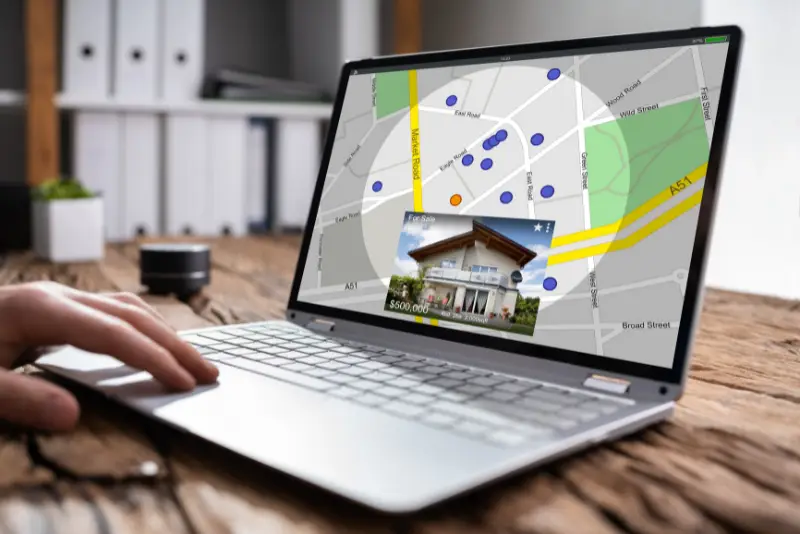
An apartment locator is a real estate professional who helps renters search for apartments that match specific criteria.
Think of a locator as a specialized rental-market guide.
Instead of simply sending a renter every available property in an area, a good apartment locator first learns what that renter actually needs. The locator can then narrow the search to properties that are more likely to be realistic options.
A renter’s criteria might include:
- Monthly rent budget
- Preferred neighborhoods
- Number of bedrooms and bathrooms
- Desired move-in date
- Pet requirements
- Parking needs
- Commute preferences
- Apartment size
- Fitness centers, pools, or other amenities
- Washer and dryer preferences
- Lease length
- Accessibility requirements
- Property style or age
This is one reason the demand for apartment locators exists. Rental websites can provide thousands of listings, but renters still have to determine which properties make sense for their particular situation.
An apartment locator helps narrow that gap.
What Does an Apartment Locator Do?
So, what exactly does an apartment locator do?
The work typically involves much more than handing someone a list of apartment names.
A locator may help with several stages of the apartment search.
1. Learn What the Renter Needs
The process generally begins with a conversation about the renter’s priorities.
For example, a locator might ask:
- What is your maximum monthly rent?
- When do you need to move?
- Which neighborhoods are you considering?
- Do you have pets?
- How many occupants will live in the apartment?
- Which amenities matter most?
- Do you need to be close to work, school, or transportation?
- Are there particular property features you want to avoid?
The more accurate the information is at the beginning, the easier it becomes to create a useful shortlist.
2. Research Matching Properties
The locator then searches for apartments that fit those requirements.
Instead of looking only at attractive photos or advertised starting prices, an experienced locator may also consider availability, location, property policies, current leasing information, and other factors that could affect the renter.
The goal is to find properties that match your criteria rather than overwhelm you with dozens of unrelated choices.
3. Narrow the Options
A renter may begin with 30 or 40 possible apartment communities.
A good locator helps reduce that list.
For example, several properties might disappear from consideration because they:
- Do not have the required floor plan available
- Fall outside the renter’s actual budget
- Do not accept the renter’s type of pet
- Are too far from work
- Lack an important amenity
- Have a move-in date that does not match the renter’s schedule
That filtering can make apartment hunting far more manageable.
4. Help Organize Tours
Once the renter has selected promising properties, the locator may help coordinate apartment tours.
This can be especially useful when someone is trying to see several communities within one day.
Rather than driving across a city without a plan, renters can organize tours geographically and compare similar properties more efficiently.
5. Explain the Application Process
Apartment locators can also help renters understand what information they may need when applying.
Individual properties establish their own qualification requirements, so a locator cannot guarantee approval.
However, understanding the application process ahead of time can help renters prepare documents, ask better questions, and avoid unnecessary delays.
6. Stay Involved Until a Lease Is Signed
Depending on the locator and brokerage, assistance may continue through the application and leasing stages.
The renter should still carefully review the lease, fees, deposits, policies, and other documents before signing anything.
A locator can help with the search, but the renter remains responsible for deciding whether a particular apartment and lease are right for them.
Why Do Renters Use Apartment Locators?

Convenience is one of the biggest reasons.
Apartment hunting can become surprisingly time-consuming, particularly in large metropolitan areas where hundreds of communities compete for renters.
A locator can reduce the amount of research required.
Here is a simple comparison:
| Searching Alone | Working With an Apartment Locator |
|---|---|
| Search numerous listing websites | Receive a more focused shortlist |
| Contact properties individually | Locator may help gather property information |
| Compare neighborhoods independently | Get local market guidance |
| Organize tours yourself | Locator may help coordinate tours |
| Research availability individually | Locator can help identify potential matches |
| Navigate the entire process alone | Have a professional point of contact |
An apartment locator does not eliminate every step. You still need to tour properties, verify information, complete applications, and read your lease.
The value comes from making the search more focused.
Who Can Benefit Most From an Apartment Locator?
Almost any renter can use one, but apartment locating can be particularly useful in certain situations.
People Moving to a New City
Searching from another city or state is difficult because you may know very little about local neighborhoods.
A locator familiar with the area can help you understand which locations deserve a closer look based on the criteria you provide.
Busy Professionals
If you have limited time for apartment hunting, narrowing dozens of options into a manageable shortlist can save significant effort.
Renters With Specific Requirements
The more specific your needs are, the more useful targeted searching becomes.
For example, you might need:
- A particular school area
- Pet-friendly housing
- Covered parking
- A short commute
- A specific move-in window
- A home office
- Certain accessibility features
Instead of checking each community manually, a locator can help concentrate the search.
First-Time Renters
The apartment process can be confusing if you have never signed a lease before.
While a locator cannot make financial or legal decisions for you, having someone familiar with rental searches can make the process easier to understand.
How Much Does an Apartment Locator Cost?
This is one of the most common questions renters ask.
In many apartment-locating arrangements, the apartment community or property management company pays the locator a referral or brokerage commission when an eligible renter signs a qualifying lease.
That can allow the renter to use the locating service without paying a separate locator fee.
However, renters should not automatically assume every apartment-locating service operates the same way.
Before working with a locator, ask:
- Is there any fee charged directly to me?
- Who pays the locator?
- When is the locator paid?
- Do I need to list the locator or brokerage on my application?
- Are certain properties excluded from the service?
Understanding the compensation arrangement upfront prevents confusion later.
Does Using a Locator Make the Apartment Cheaper?
Not necessarily.
A locator’s main role is helping you search and compare properties.
Apartment pricing is generally determined by the property and can change based on availability, floor plan, lease length, move-in date, and market conditions.
Some communities may offer leasing specials or incentives, but renters should verify the details directly with the property.
Never evaluate an apartment only by its advertised monthly rent.
Ask about the total cost of living there, including possible:
- Application fees
- Administrative fees
- Security deposits
- Pet fees
- Pet rent
- Parking charges
- Utility-related charges
- Package fees
- Amenity fees
- Required insurance
- Other recurring charges
A property with a slightly lower advertised rent is not always the less expensive option once additional costs are included.
How to Choose a Good Apartment Locator
Not every locator offers the same level of service.
Before choosing one, pay attention to how well the person listens to your requirements.
A strong apartment locator should ask specific questions instead of immediately sending a huge list of properties.
You should also look for someone who:
- Understands the local rental market
- Communicates clearly
- Responds within a reasonable time
- Explains how they are compensated
- Does not pressure you into a particular property
- Helps you compare realistic options
- Encourages you to verify important information with the property
- Is transparent about what they can and cannot do
In Texas, you can also verify a real estate professional’s license through the Texas Real Estate Commission (TREC).
Why Become an Apartment Locator?
Apartment locating can also be an entry point into a real estate career.
Unlike some parts of real estate that revolve primarily around property sales, apartment locating usually involves working with renters who have relatively immediate housing needs.
Someone moving next month cannot spend six months casually considering apartments. That creates a faster-moving work environment.
The career may appeal to people who enjoy:
- Real estate
- Sales
- Customer service
- Local market research
- Meeting new people
- Problem-solving
- Flexible work
- Building professional relationships
Successful locators often spend considerable time communicating with renters, researching properties, following up on leads, and maintaining relationships within the apartment industry.
It is not simply driving people around and touring attractive apartments.
How to Be a Successful Apartment Locator
Three areas are particularly important: market knowledge, communication, and consistency.
Know Your Local Rental Market
A locator should understand the areas they serve.
That includes knowing:
- Major neighborhoods
- Typical rental ranges
- Major employment areas
- Transportation routes
- Common apartment styles
- New developments
- Property amenities
- General leasing patterns
Market knowledge helps a locator recommend options efficiently rather than beginning every client search from zero.
Build Relationships
Apartment locating is also relationship-driven.
Connections with property teams, brokerage colleagues, and other real estate professionals can help locators stay informed about the market.
But relationships alone are not enough.
Information changes quickly, so important details should still be verified before they are presented to a renter as current.
Respond Quickly
Apartment availability can change.
A renter may also be speaking with several properties or considering several communities at once.
Slow communication can result in missed opportunities.
Successful locators therefore tend to maintain organized systems for leads, follow-ups, tours, applications, and lease confirmations.
Ask Better Questions
One of the biggest differences between an average locator and an excellent one is the quality of the initial consultation.
Someone who simply asks, “What’s your budget?” has very little information.
A better locator asks about commute, pets, preferred areas, deal-breakers, move date, parking, amenities, layout preferences, and other factors that affect the decision.
Better questions lead to better recommendations.
How to Become an Apartment Locator in Texas
Texas has specific rules for compensated apartment locating.
According to the Texas Real Estate Commission, a person who expects compensation for locating an apartment for a prospective renter generally must be licensed as a Texas real estate broker or sales agent, subject to applicable exemptions.
That makes licensing an important first step for anyone considering apartment locating as a career in Texas.
Prospective locators should review current requirements directly with the Texas Real Estate Commission (TREC) because licensing rules, education requirements, forms, and procedures can change.
A typical path involves:
- Meeting TREC’s eligibility requirements.
- Completing required real estate education.
- Applying for the appropriate license.
- Completing required background or fingerprinting steps.
- Passing the licensing examination.
- Meeting applicable brokerage or sponsorship requirements before conducting licensed activity.
After becoming properly licensed and authorized to work, new apartment locators still have plenty to learn.
Knowing real estate law is different from knowing how to run an efficient apartment search.
Practical training may involve learning local neighborhoods, apartment databases, lead management, communication, property research, touring practices, marketing, and commission procedures.
How Do Apartment Locators Make Money?
Compensation structures vary by brokerage, market, property, and transaction.
In many cases, participating apartment communities compensate the brokerage after a renter signs a qualifying lease and the property’s referral requirements have been satisfied.
The individual locator may then receive compensation according to the arrangement with their brokerage.
Several factors can therefore affect income:
| Factor | Why It Matters |
|---|---|
| Number of completed leases | More completed transactions can mean more commission opportunities |
| Average rental rates | Compensation arrangements may relate to lease value |
| Brokerage split | The locator may share compensation with the brokerage |
| Property commission structure | Different properties may offer different referral arrangements |
| Lead generation | A consistent pipeline can create more opportunities |
| Conversion rate | Not every inquiry becomes a signed lease |
| Market conditions | Rental demand and apartment availability change |
| Cancellations or move-in issues | Some compensation may depend on completed move-ins and other requirements |
For that reason, there is no single salary that accurately describes what every apartment locator earns.
Someone considering the career should ask a prospective brokerage exactly how compensation works before joining.
Questions should include:
- Is the position commission-only?
- How are commissions split?
- When are commissions paid?
- Who provides leads?
- Are marketing expenses covered?
- What happens if a renter cancels?
- Are there minimum production requirements?
- Is training provided?
Those answers provide far more useful information than a generic annual salary estimate.
Helpful Finds for Your New Apartment
Found the right place? These are the move-in essentials nearly every renter buys in the first week:
- Moving Boxes Kit – assorted sizes delivered to your door.
- Damage-Free Picture Hangers – hang art without losing your deposit.
- Household Tool Kit – for furniture assembly and small fixes.
- Blackout Curtains – the upgrade that improves sleep the most.
Rise Apartments is a participant in the Amazon Services LLC Associates Program. As an Amazon Associate we earn from qualifying purchases made through the links above, at no extra cost to you.
Apartment Locator FAQs
Are apartment locators real estate agents?
In Texas, compensated residential rental locating generally requires the appropriate real estate license unless an exemption applies. Requirements differ by jurisdiction, so renters and aspiring locators should check local rules.
Do apartment locators work for the renter or the apartment complex?
The exact relationship can depend on the transaction and brokerage arrangement. Renters should ask the locator to explain representation and compensation clearly.
Can an apartment locator guarantee approval?
No. Apartment communities establish their own qualification standards and make their own approval decisions.
Can apartment locators help with luxury apartments?
Yes. Some locators work broadly across the rental market, while others specialize in particular areas, property types, or price ranges.
Can a locator help someone moving from another state?
Yes. Relocation is one situation where apartment locating can be particularly useful because the renter may have limited familiarity with local neighborhoods.
Should I still tour an apartment?
Whenever practical, yes. Photos and online information cannot tell you everything about a property, unit, surroundings, or commute.
Should I verify prices myself?
Yes. Rental rates, availability, fees, and specials can change quickly. Confirm important details directly with the apartment community before applying.
Can I use more than one apartment locator?
Policies and representation arrangements can vary. It is better to discuss this upfront with the locator rather than create confusion about referrals or commissions later.
Making Apartment Hunting More Manageable
Apartment locators are most useful when they turn an overwhelming search into an organized one.
They cannot guarantee approval, control apartment pricing, or decide which property is right for you. What they can do is help narrow the market, organize potential choices, provide local rental knowledge, and guide you through the searching process.
That can be especially valuable when you are moving to an unfamiliar city, working with a tight move-in schedule, or trying to compare a large number of apartment communities.
For people considering apartment locating as a career, the job combines real estate knowledge, customer service, sales, organization, and local market expertise. In Texas, anyone planning to perform compensated apartment locating should also understand and comply with TREC licensing requirements.
Whether you are starting a new apartment search or exploring apartment locating professionally, understanding how the system works will help you make better decisions.
And if you are currently on the hunt for a new apartment, beginning with a clear budget, move-in date, preferred location, and list of non-negotiable features can make the entire process much easier.