
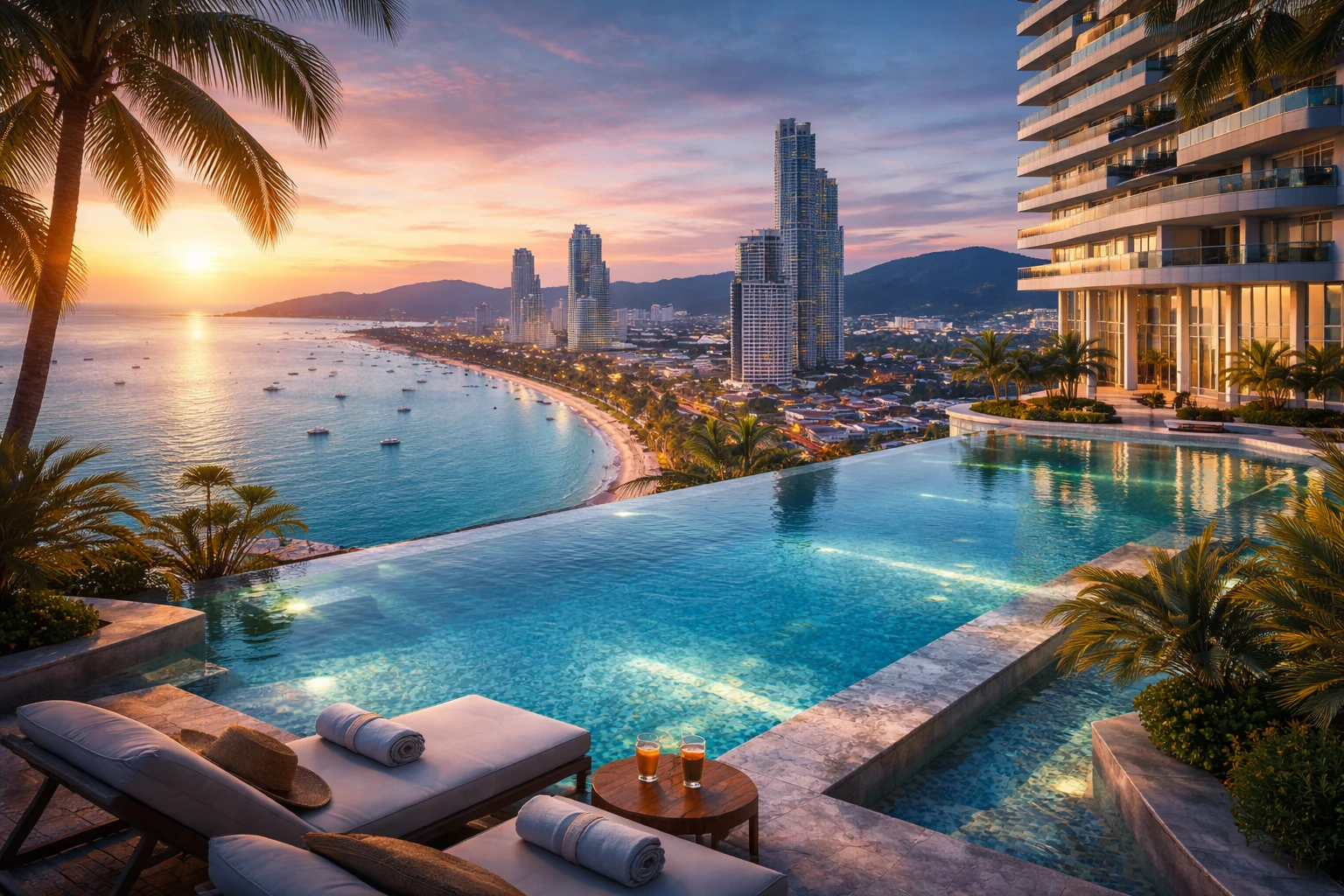
Thailand Real Estate is often where curiosity turns into calculation. A traveler browsing listings between island excursions may suddenly realize that the trip feels less like a vacation and more like reconnaissance. Thailand has reclaimed its position as one of the world’s most visited destinations, and alongside the return of tourism comes something quieter but more deliberate: investment.
More than 17 million international visitors arrived in 2024, and expectations for 2025 stretch toward 25 million. That traffic does not just fill hotels. It sustains rental demand, fuels infrastructure expansion, and reinforces confidence in property as a tangible, income producing asset. For some, the shift happens gradually. For others, it is immediate. One sunset in Phuket, one month working remotely from Bangkok, and the question changes from “When will I come back?” to “Why not stay?”
Why Travelers Are Buying Instead of Booking
Thailand has a rare ability to combine emotional appeal with financial logic. The temples are ancient. The skylines are modern. The cuisine is street level and Michelin starred at the same time. That duality extends into the property market.
Lifestyle That Extends Beyond the Trip
Owning property transforms travel into continuity. Instead of rotating hotels, you return to your own space. You build routines. You recognize neighbors. The country shifts from spectacle to structure.
Accessible Entry Points
In many global capitals, USD 118,000 barely secures a parking space. In Thailand, that figure can open the door to a condominium in an established district or a compact unit in a resort area. Entry costs remain comparatively approachable, especially for buyers priced out of Western metropolitan markets.
Resilient Rental Performance
Bangkok’s business ecosystem, Phuket’s tourism engine, and Pattaya’s evolving infrastructure support consistent occupancy. Gross rental yields commonly range between 6 and 8 percent. In specific micro markets, compact units can exceed those averages.
Digital Transparency and Speed
Thailand’s growing PropTech landscape has reduced friction. Virtual tours, digital contracts, and structured payment systems allow overseas buyers to move efficiently. The distance between interest and ownership has narrowed.
Market Snapshot: Prices and Yields at a Glance
Understanding structure prevents impulse. Below is a simplified overview of pricing and rental performance in key segments.
| Property Type | Average Price (THB per sqm) | Gross Rental Yield (%) |
|---|---|---|
| Bangkok CBD Condos | 236,000 | 6.29 |
| Suburban Condos | 127,000 | 6.28 |
| Houses in Bangkok | 57,951 | 6.8 |
Prime central condominiums command premium pricing, particularly near mass transit lines. Suburban units offer lower capital exposure with comparable yield percentages. Detached houses provide larger space at lower price per square meter, often attracting families and long term tenants.
Price Momentum and Segment Behavior
Thailand’s residential property index has shown moderate but consistent upward movement. Growth is steady rather than explosive, which for many investors signals durability rather than volatility.
Condominiums in central business districts lead appreciation, especially high specification developments with amenities such as fitness centers, pools, and co working areas. Suburban projects appeal to value driven buyers and young professionals.
Rental yields in Bangkok typically stabilize between 6 and 8 percent. Smaller units often perform best due to affordability and broader tenant demand. Liquidity in central areas tends to remain stronger than in purely resort driven markets.
Where to Focus: Regional Personalities and Investment Angles
Thailand is not one market. It is a mosaic.
Bangkok
The capital operates as the economic heart. Sukhumvit, Silom, and adjacent districts attract professionals, expatriates, and remote workers. High rise condominiums dominate supply, and resale activity remains active. Investors often prioritize proximity to BTS or MRT lines for long term value retention.
Phuket
Island property combines lifestyle and short term rental potential. Villas range from approximately THB 6 million to THB 50 million depending on location and sea view access. Emerging areas such as Thalang offer comparatively lower entry prices near USD 150,000 for certain projects. Tourism sustains demand, though regulatory compliance for rentals must be considered carefully.
Chiang Mai
Northern Thailand’s cultural center offers a slower rhythm. Houses near the old city begin around THB 3 million. Rental yields may sit slightly below Bangkok levels, but appreciation potential aligns with the steady growth of remote professionals and retirees seeking lower density living.
Pattaya
Transformation defines Pattaya’s recent narrative. Infrastructure improvements and urban redevelopment projects have shifted perception. Cheap properties for sale in Thailand near the coast can often be found here below USD 200,000, making it one of the more accessible beachside markets in the region.
Hua Hin
Calm, structured, and favored by families and retirees. Villas frequently range between THB 10 million and THB 20 million. The pace is slower, but stability appeals to buyers prioritizing privacy over speculation.
Budget does not eliminate opportunity. It simply narrows focus.
Online Portals
Filtering by price range reveals thousands of listings between USD 118,000 and USD 239,000. These typically include compact condominiums in secondary Bangkok districts or emerging resort zones.
Bank Auctions and Foreclosures
Financial institutions periodically release repossessed units at discounts that may reach 30 percent below prevailing market value. Due diligence is essential, particularly regarding title verification and outstanding obligations.
Off Plan Purchases
Pre construction acquisitions often provide 10 to 15 percent pricing advantages relative to completed units. Payment schedules are staged, distributing capital outflow across development milestones.
Payment Structure and Fees
| Transaction Stage | Typical Amount |
|---|---|
| Reservation Deposit | 10% |
| Second Payment | 20% |
| Balance at Transfer | 70% |
| Transfer Fee | 2% |
| Stamp Duty | 0.5% |
| Withholding Tax | 1% |
Allocation of fees is negotiable and must be clearly defined in the sales agreement.
Conclusion: Investment With a View
Thailand’s property market rests on more than speculation. It rests on movement. Millions arrive each year, and a meaningful percentage return. Moderate price growth, attractive rental yields, and improving infrastructure create a framework where lifestyle and investment objectives intersect.
For some, it begins with browsing listings on online property platforms after a beach day. For others, it begins with a spreadsheet. Either way, the trajectory is similar. A trip evolves into strategy. A temporary stay becomes structural. And in a country defined by warmth and contrast, property ownership offers something rare: permanence within paradise.
Frequently Asked Questions (FAQs)
Foreigners can legally own condominium units outright, but cannot directly own land; land ownership typically requires leasehold or company structures.
Entry-level condominiums can start around USD 118,000 depending on location and project quality.
Gross rental yields commonly range between 6% and 8%, depending on location and property type.
Bangkok offers stronger year-round rental stability, while resort areas like Phuket may provide higher seasonal returns.
Off-plan purchases often come at 10–15% lower prices, but buyers should carefully assess developer credibility and timelines.
Typical costs include a 2% transfer fee, 0.5% stamp duty, and 1% withholding tax, though allocation may vary by agreement.
Properties near BTS or MRT lines generally maintain stronger resale value and rental demand.
Financing options for foreigners are limited, so most transactions are completed in cash or through offshore financing.
Short-term rentals are regulated and often restricted without proper licensing, especially in condominium buildings.
Bangkok offers economic stability, Phuket provides resort appeal, and Chiang Mai attracts retirees and remote workers seeking lower density living.