Modern apartment living is about more than attractive interiors and stylish amenities. Behind every well-managed multifamily community lies a structured, proactive approach to maintenance. While residents may notice freshly painted hallways or well-kept landscaping, the true strength of a property often comes from the systems and strategies they never see.
Preventative maintenance is not simply a checklist item. It is a long-term investment in asset protection, resident satisfaction, and operational stability.
Resident Experience Begins With Reliability
Tenants may not think about HVAC servicing schedules or roof inspections, but they immediately notice when something fails. A malfunctioning elevator, flickering exterior lighting, or inconsistent heating system affects daily life.
Reliable infrastructure builds trust. When residents see that maintenance requests are handled promptly and that common areas remain clean and functional, it reinforces confidence in property management.
Preventative care supports this reliability. Regular servicing of plumbing systems, electrical panels, fire safety equipment, and mechanical systems ensures fewer surprises and a smoother living experience.
Exterior Maintenance and First Impressions
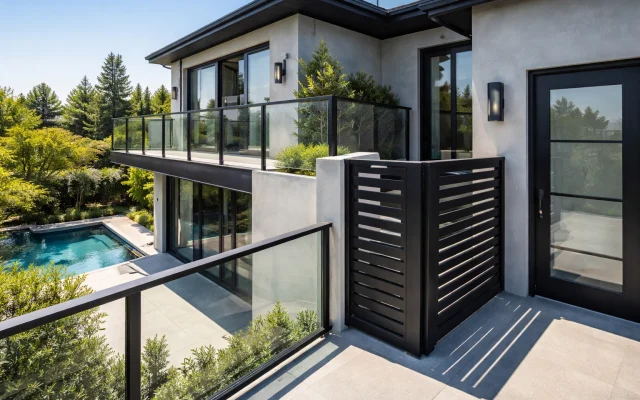
Curb appeal plays a critical role in attracting and retaining residents. Clean façades, well-maintained walkways, secure entrances, and properly functioning lighting systems contribute to a sense of safety and professionalism.
Apartment communities are, by definition, commercial assets. Managing exterior systems, roofing, drainage, parking areas, and landscaping requires specialized expertise. Many property owners partner with providers offering comprehensive commercial property maintenance to ensure that exterior and structural elements remain compliant, efficient, and visually appealing.
This approach allows management teams to focus on resident relations and leasing performance while professionals handle technical upkeep.
Protecting Long-Term Asset Value
Multifamily properties represent significant financial investments. Preventative maintenance protects not only physical structures but also the financial performance of the asset.
Routine inspections of roofing systems prevent water intrusion that could damage interiors. Scheduled HVAC servicing reduces strain on mechanical systems. Parking lot resurfacing and lighting maintenance reduce liability exposure.
Insurance providers often view proactive maintenance programs favorably, as they reduce risk. For investors and stakeholders, documented maintenance schedules demonstrate responsible stewardship and long-term planning.
Operational Efficiency and Cost Control
Emergency repairs typically cost more than planned maintenance. They require urgent labor, expedited materials, and sometimes after-hours service calls. Preventative strategies shift maintenance from reactive to predictable.
Budget forecasting becomes more accurate when inspections and servicing are scheduled in advance. This allows property managers to allocate resources efficiently and avoid sudden capital drains.
Additionally, well-maintained equipment operates more efficiently. HVAC systems that receive regular servicing consume less energy. Properly sealed building envelopes reduce heating and cooling demands. Over time, these efficiencies compound into measurable savings.
Compliance and Safety Considerations
Apartment communities must meet local building codes, fire regulations, and safety standards. Preventative maintenance ensures compliance across critical systems such as fire alarms, sprinkler systems, emergency lighting, and accessibility features.
Routine documentation of inspections and repairs also protects property owners in the event of disputes or audits. Clear records demonstrate due diligence and responsible management practices.
Safety extends beyond regulatory requirements. Regular walkway inspections reduce slip hazards. Lighting maintenance enhances nighttime security. Roof and façade inspections prevent structural failures.
The Business Case for Preventative Maintenance
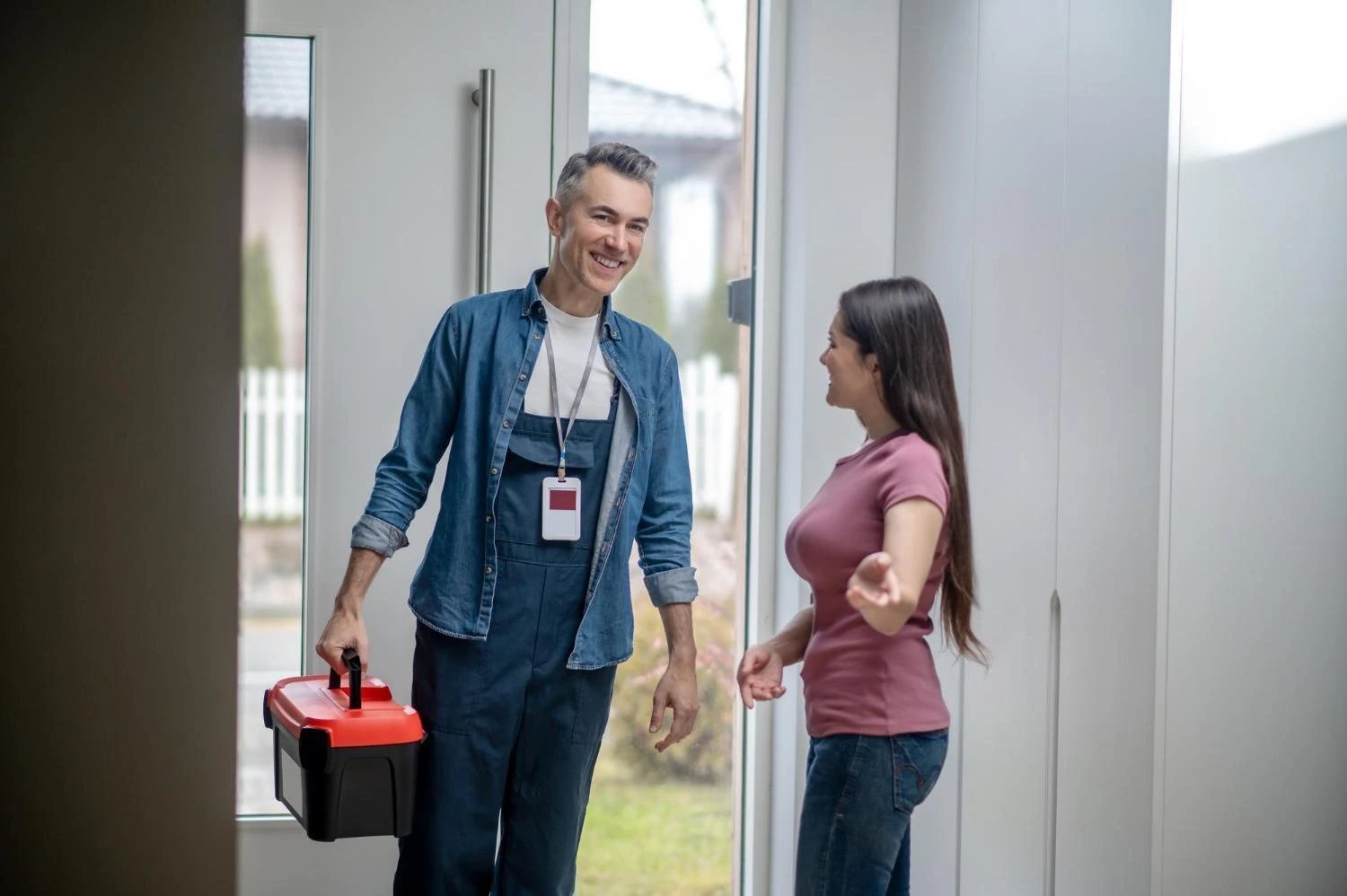
In multifamily real estate, property value is directly tied to condition. Deferred repairs may appear cost-effective in the short term, but they frequently result in higher emergency expenses, accelerated wear, and tenant dissatisfaction.
According to the Institute of Real Estate Management (IREM), proactive maintenance programs significantly reduce unexpected capital expenditures and help extend the lifespan of building systems. Structured inspection schedules allow property managers to identify minor issues before they escalate into major disruptions.
For apartment communities, this translates into fewer emergency calls, lower long-term repair costs, and a stronger reputation in competitive rental markets.
Building a Culture of Maintenance Excellence
Successful apartment communities treat maintenance as a core operational priority, not a reactive service department. Clear reporting systems, digital maintenance tracking platforms, and vendor partnerships all contribute to streamlined workflows.
Communication is equally important. Residents who understand reporting procedures and receive timely updates are more likely to feel heard and valued.
A culture of preventative care creates stability. Instead of constantly responding to urgent issues, management teams can plan improvements, enhance amenities, and focus on long-term growth strategies.
Maintenance as a Competitive Advantage
In today’s rental market, residents compare communities carefully. Online reviews frequently reference cleanliness, responsiveness, and building condition.
Properties that invest in structured maintenance programs often outperform competitors in retention rates and reputation. Prospective tenants are drawn to communities that feel well cared for and professionally managed.
For multifamily developments seeking to differentiate themselves, maintenance quality becomes part of the brand.
The Foundation of Sustainable Apartment Living
Preventative maintenance is not a background function, it is the foundation upon which successful apartment communities are built. From preserving structural integrity to enhancing resident satisfaction, structured upkeep supports every aspect of property performance.
When property owners prioritize proactive strategies and partner with experienced service providers, they protect their investment, strengthen tenant trust, and create communities designed to thrive long into the future.
In multifamily real estate, long-term success begins with consistent care, not just inside the units, but throughout every system that keeps the building running smoothly.
Frequently Asked Questions (FAQs)
Preventative maintenance involves scheduled inspections and servicing of building systems to prevent breakdowns and extend equipment lifespan.
Residents value reliability, and proactive maintenance reduces disruptions like HVAC failures, plumbing issues, or elevator outages.
Addressing small issues early prevents expensive emergency repairs and extends the life of major building systems.
Key systems include HVAC, plumbing, electrical panels, roofing, fire safety equipment, elevators, and exterior lighting.
Well-maintained properties experience less structural deterioration and maintain stronger market appeal and investor confidence.
Yes, routine inspections and documentation help ensure compliance with building codes, fire regulations, and safety standards.
Maintaining façades, walkways, drainage, and lighting improves curb appeal, enhances safety, and supports tenant retention.
Emergency repairs often require urgent labor, expedited materials, and after-hours service fees, increasing overall costs.
Scheduled servicing allows for accurate budgeting, predictable expenses, and improved energy efficiency across building systems.
Communities known for cleanliness, responsiveness, and well-maintained facilities often earn stronger reviews and higher resident retention rates.