Owning or managing rental properties and apartment communities involves much more than filling units and collecting rent. A proactive maintenance strategy is one of the most essential pillars of successful property stewardship. Regular upkeep preserves asset value, reduces long-term repair costs, enhances tenant satisfaction, and supports safety and compliance across living spaces. When owners approach maintenance with planning and precision, they avoid emergencies, foster better tenant relationships, and protect their investment portfolio.
Whether you’re overseeing a small group of rental units or a larger multi-family community, understanding the key maintenance priorities, from routine inspections to emergency systems, is critical. For landlords and property managers seeking local professional support, services such as plumbers in Brentwood, TN are often part of a broader network of skilled trades that help keep properties running smoothly.
This article outlines maintenance essentials that help residential rental properties and apartment communities operate effectively and sustainably.
Preventive maintenance: the foundation of long-term care
One of the most powerful shifts in property management is moving from reactive fixes to preventive maintenance. Reactive approaches often mean waiting until something breaks, at which point the cost and tenant inconvenience are already high. By contrast, preventive maintenance schedules inspections, servicing, and repairs before issues escalate.
Examples include:
- Seasonal HVAC tuneups
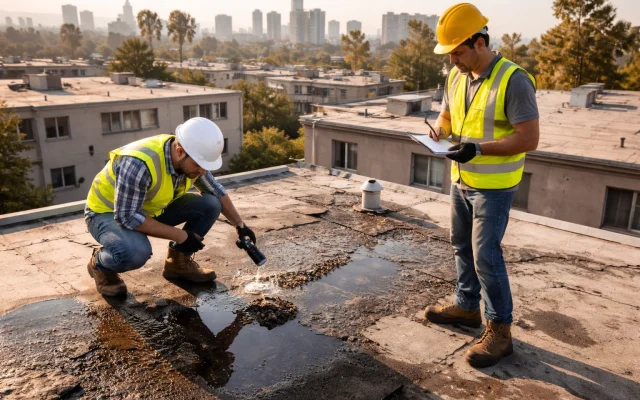
- Annual roof inspections
- Plumbing checks before winter
- Regular landscaping and exterior upkeep
- Smoke detector and fire safety system tests
These activities reduce the likelihood of emergency repairs and help stabilise budgets. A well-documented preventive program also strengthens tenant confidence, as residents see evidence that their living environment is managed responsibly.
HVAC systems and climate control
Heating, ventilation, and air conditioning systems are among the most critical components in rental properties. They keep tenants comfortable year-round and, when maintained correctly, operate more efficiently and with fewer failures.
Property managers should:
- Schedule seasonal inspections with HVAC technicians
- Replace filters regularly
- Ensure condensate lines are clear
- Check thermostats and zoning controls
Ignoring HVAC maintenance can lead to uneven temperatures, higher utility costs, and premature system failure, issues that quickly affect satisfaction and turnover rates.
Plumbing systems and water management
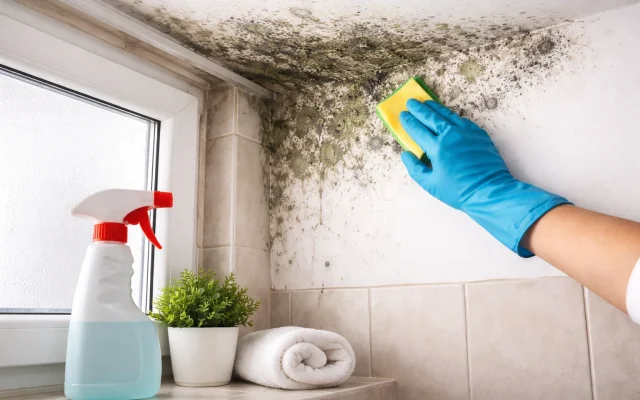
Plumbing is one of the most frequent maintenance categories in rental properties. A minor leak left unchecked can evolve into water damage, mold growth, structural decay, and costly remediation.
That’s why regular plumbing checks, including drains, toilets, faucets, and water heaters, are vital. Many property managers partner with local specialists to support routine inspections and timely repairs.
In addition to scheduled checks, managers should encourage tenants to report:
- Slow drains
- Running toilets
- Low water pressure
- Unusual noises or smells
Prompt attention prevents small issues from becoming disruptive and expensive.
Safety systems and compliance
Properties with multiple units must comply with safety codes and regulations. This includes:
- Fire alarm and sprinkler systems
- Emergency lighting
- Smoke and carbon monoxide detectors
- Fire extinguishers and exit signage
Regular testing ensures these systems function when needed. Failure to maintain compliance can result in fines, liability exposure, or insurance issues.
According to the National Fire Protection Association (NFPA), properly maintained fire safety systems significantly reduce the risk of loss of life and property damage, a foundational reason why periodic testing and documentation matter.
Exterior maintenance and property curb appeal
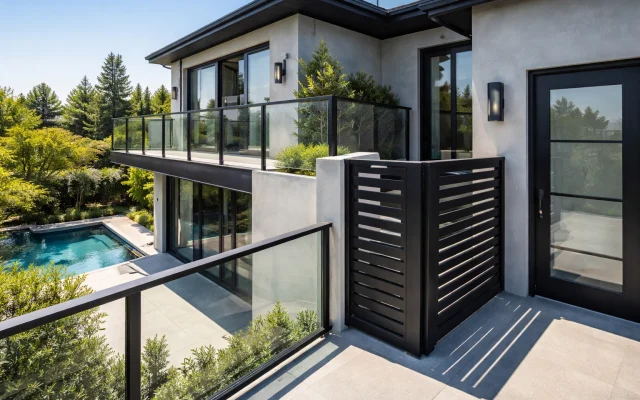
Exterior elements create the first impression and influence both tenant retention and property value. Key areas to monitor include:
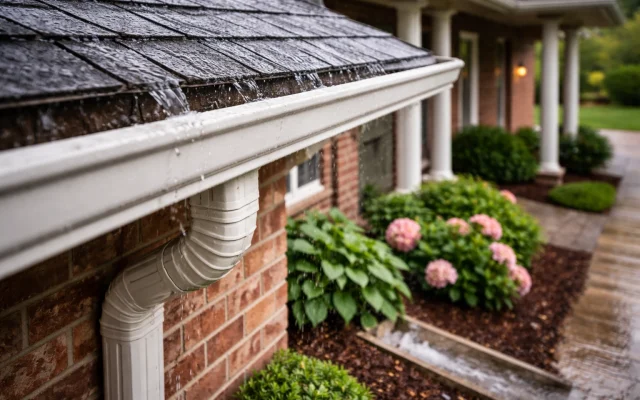
- Roofing and gutters
- Siding and paint
- Walkways and driveways
- Landscaping and lighting
- Parking lots and signage
Seasonal tasks, such as leaf removal, snow clearing, and pressure washing, keep properties safe and attractive. A well-maintained exterior signals professionalism and care, improving both resident experience and market competitiveness.
Interior common areas and corridors
For apartment communities, shared interior areas deserve continuous attention. These spaces influence daily experiences for tenants and often see significant foot traffic.
Maintenance priorities include:
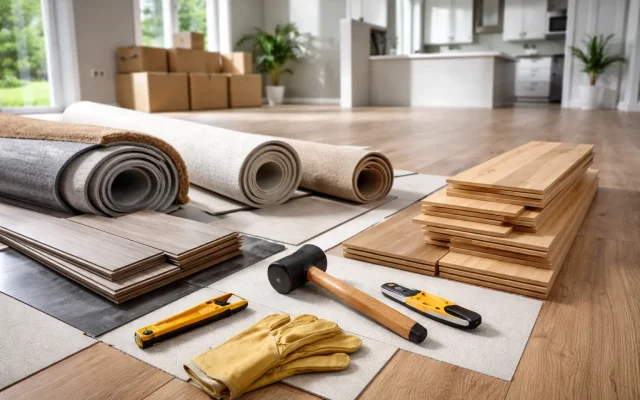
- Floor and carpet cleaning
- Lighting replacements
- Elevator servicing
- Stairwell safety checks
- HVAC servicing in common areas
Clean, well-lit, and safe common spaces foster a sense of community and signal that management takes resident wellbeing seriously.
Technology and systems tracking
Modern property maintenance often involves more than a clipboard and checklist. Digital tools enable managers to:
- Schedule recurring maintenance tasks
- Track work orders and response times
- Document inspections and repairs
- Coordinate with vendors and technicians
- Forecast budgets based on historical data
Technology brings transparency to operations, which can be especially valuable for organisations managing multiple properties or work teams.
Tenant communication and expectations
Maintenance is not just about physical systems, it’s also about communication. Tenants are more satisfied when they understand how and when maintenance is handled. Clear protocols help prevent misunderstandings and unnecessary complaints.
Effective communication includes:
- Providing clear reporting channels (phone, email, portal)
- Responding within established timeframes
- Offering updates on status and resolution
- Setting expectations for routine maintenance windows
Swift, transparent communication helps build trust and reduces frustration on both sides.
Emergency response planning
Even with excellent preventive care, emergencies happen. Burst pipes, power outages, HVAC failures in extreme weather, and other urgent problems require a swift response.
A strong emergency plan includes:
- A 24/7 contact process
- Prioritisation of safety and habitability
- Preferred vendor lists for rapid service
- Clear roles for on-site staff and external partners
- Communication templates for tenants
Having these systems in place ensures that emergencies are managed consistently and professionally, reducing risk and ensuring compliance with local housing standards.
Environmental systems and sustainability
Increasingly, tenants and investors prioritise sustainable, energy-efficient buildings. Beyond cost savings, environmentally conscious maintenance adds long-term resilience to properties.
Sustainable practices include:
- LED lighting upgrades
- Programmable thermostats
- High-efficiency HVAC systems
- Water-saving fixtures
- Recycling and waste-reduction programs
These initiatives can improve monthly operating costs and appeal to environmentally oriented tenants, making properties more attractive in competitive markets.
Budgeting and reserve planning
Effective maintenance requires financial planning. Property managers should allocate funds for:
- Routine inspections and servicing
- Seasonal tune-ups
- Unexpected repairs
- Building upgrades
Developing a reserve budget helps ensure that funds are available when needed, protecting cash flow and avoiding deferred maintenance that leads to more costly problems.
Vendor partnerships and quality control
Reliable vendors are invaluable to property maintenance. Whether for plumbing, electrical work, landscaping, or structural services, professional partners help ensure tasks are done right and on time.
Key qualities to look for in vendors include:
- Proven experience in multi-family or commercial environments
- Clear pricing and service agreements
- References and positive reviews
- Licensing and insurance compliance
Strong vendor relationships foster efficiency and accountability.
Documentation and record-keeping
Documentation is an often-overlooked aspect of maintenance, yet it underpins compliance, budgeting, and long-term planning. Good records include:
- Inspection reports
- Work orders and invoices
- Warranty documentation
- Safety test results
- Communication logs with tenants
These files help managers track patterns, justify expenses, and demonstrate due diligence if issues arise.
Property improvement and long-term upgrades
Maintenance is not only about upkeep, it’s also about improvement. Upgrades that enhance energy efficiency, safety, or tenant comfort can have a positive impact on occupancy rates and long-term value.
Examples include:
- Upgraded HVAC systems with better energy ratings
- Smart building technologies
- Exterior lighting improvements
- Interior common-area renovations
When planned strategically, upgrades can be phased into routine maintenance plans to minimise disruptions.
Measuring success and continuous improvement
Maintenance programs are most effective when they are reviewed regularly. Metrics property managers should monitor include:
- Response times for tenant work orders
- Frequency of emergency calls
- Cost per unit for routine maintenance
- Tenant satisfaction surveys
These measures help identify opportunities for improvement and support strategic decision-making.
Frequently Asked Questions (FAQs)
Preventive maintenance reduces costly emergency repairs and extends the lifespan of building systems. It also improves tenant satisfaction and protects long-term property value.
HVAC systems should typically be inspected seasonally, with filters replaced regularly to maintain efficiency and performance.
Tenants should report slow drains, running toilets, leaks, low water pressure, or unusual odors to prevent larger structural or mold-related problems.
Smoke detectors, carbon monoxide detectors, fire alarms, sprinklers, emergency lighting, and fire extinguishers should be tested routinely for compliance and safety.
Well-maintained roofs, landscaping, walkways, and lighting enhance curb appeal, improve safety, and help retain tenants.
Digital systems help schedule inspections, track work orders, document repairs, and improve response times across multiple properties.
Managers should have a 24/7 contact system, clear response protocols, and trusted vendors ready to address urgent issues quickly and safely.
Clear communication sets expectations, reduces complaints, and builds trust by keeping residents informed about repair timelines and updates.
LED lighting, programmable thermostats, water-saving fixtures, and high-efficiency HVAC systems reduce operating costs and environmental impact.
Accurate records of inspections, repairs, and safety tests support compliance, budgeting, and legal protection if disputes arise.