
Luxury real estate markets are continuing to set a new pace for national growth. Where you can expect overall home prices to rise steadily, the high-end segment often accelerates far beyond the benchmark. It is often due to high demand, economic strength, lifestyle appeal, and limited prime inventory.
These cities continue to attract executives, entrepreneurs, investors, and global buyers who prioritize exclusivity and long-term value. In this effective guide, we are going to list the luxury markets leading national growth. You will understand the exact factors positioning them ahead of the broader housing market.
Top Luxury Real Estate Markets Outpacing National Price Growth
1. Lake Geneva, Wisconsin
Lake Geneva is a premier luxury real estate destination in the Midwest. It is mainly known for its stunning lakefront estates and scenic beauty. The city is blessed with lakefront estates, private docks, and panoramic water views.
All these are truly desirable for luxury buyers seeking vacation homes or retreats. Moreover, the area’s gated communities and large estates attract high-net-worth individuals who actually focus on privacy. Residents and visitors enjoy:
- Expansive lakefront properties and private docks
- Upscale resorts, spas, and fine dining
- Boating, golf, and year-round outdoor activities
- Exclusive country clubs and social events
This overall appeal keeps luxury prices strong even in softer markets. In addition to that, if you are exploring 53147 homes for sale, you will find exceptional opportunities, from elegant lakefront estates to beautifully designed private residences that combine lifestyle and exclusivity.
2. Heber, Utah
Heber market is currently positioning itself as a “modern legacy” market and successfully outperforming the national luxury average. This is the first new luxury alpine village built in North America since 1981.
It adds around 3,700+ acres of ski terrain, doubling Deer Valley’s size. The city is blessed with multiple five-star hotels, 1,700+ residential units, and Tiger Woods’ first Utah golf course at the Marcella Club.
Moreover, Heber has large, well-designed neighborhoods that offer bigger land, wellness features, and organized community layouts. Buyers can take advantage of the larger lots, lower prices, and the same world-class ski access.
It even works as a vacation rental goldmine where you will find the average Airbnb revenue of $42,071 per year, with $474 daily rates and 46% occupancy.
3. Key West, Florida
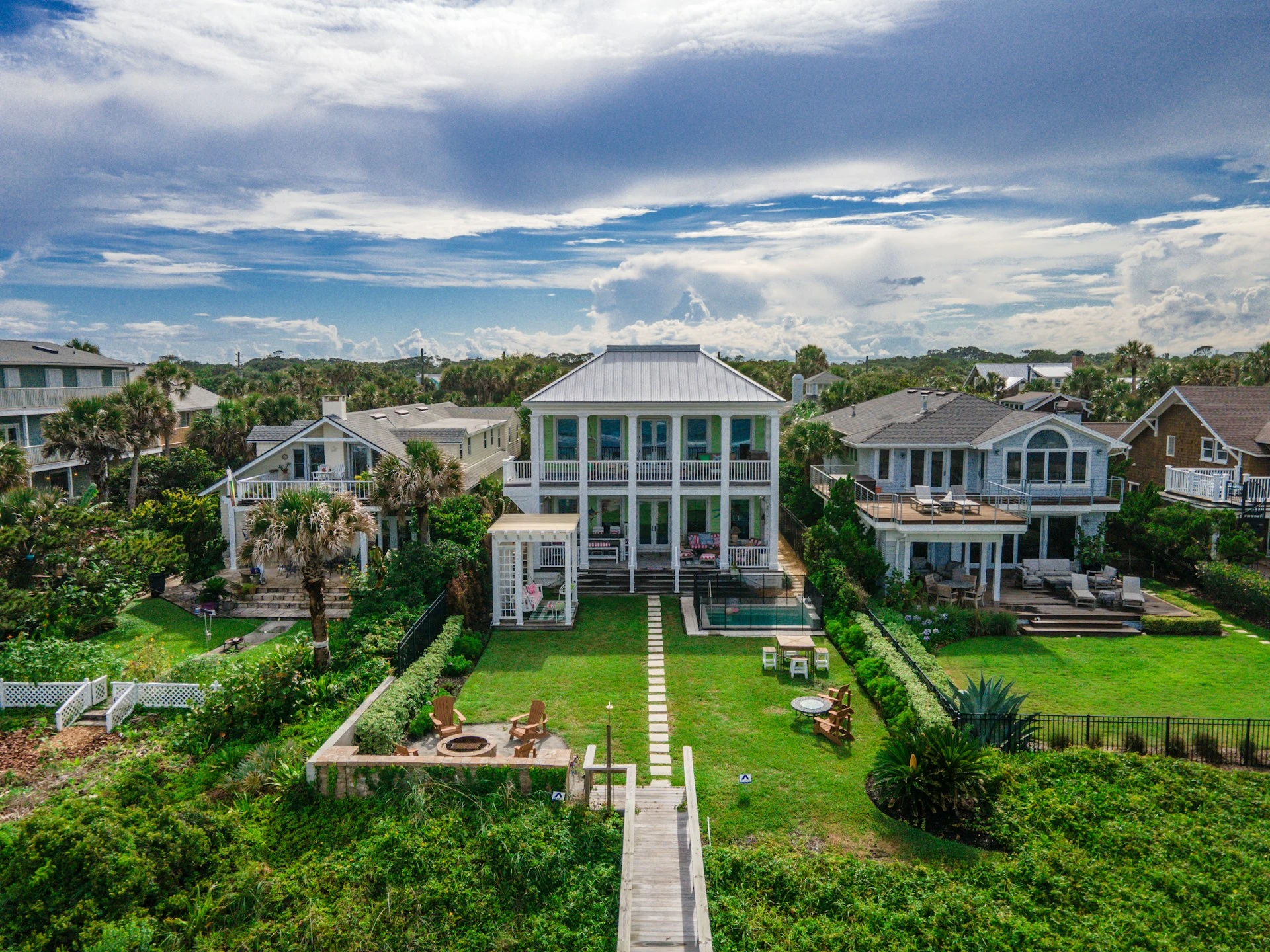
Key West is operating under what many investors call the “Island Scarcity Effect.” It is only 4.2 square miles in total size and follows ROGO (Rate of Growth Ordinance) rules. This limits how many new building permits can be issued. This often creates irreplaceable scarcity, which usually keeps prices high and competitive.
The market has transformed dramatically over the past decade. Luxury buyers are no longer just retirees or second-home seekers.
You will find remote entrepreneurs, finance executives, and high-net-worth investors entering the market. Many are even looking for lifestyle assets that double as long-term wealth preservation.
For instance, waterfront estates, historic Old Town properties, and gated island homes are now driving premium price-per-square-foot figures compared to many mainland Florida markets.
4. Los Angeles, California
Los Angeles operates as a multi-node luxury market, beyond just a single citywide one. Though the city is geographically large, true luxury inventory is tightly constrained. Most high-end luxury sales in the area happen “off-market,” and this gives assurance to the rest of the market that luxury real estate is strong.
Another notable factor is that over half of transactions close all-cash, meaning buyers can move quickly and can easily avoid the financing delays.
Luxury homes that include high-end amenities, like private spas, cold plunge pools, sports courts, or meditation gardens, attract buyers more quickly. You will find that luxury place in Beverly Hills, Bel Air, Malibu, and the Hollywood Hills.
5. San Francisco, California
San Francisco’s luxury real estate is seeing a major comeback that hasn’t happened in decades. Like earlier tech booms that were mostly in Silicon Valley, the current AI boom is centered directly in the city.
Some of the top AI firms, like OpenAI and Anthropic, are headquartered in San Francisco. It warmly welcomes the high-paying employees and executives who are buying luxury homes.
According to recent parts sources, the median luxury home price is $6.4M, where homes are selling extremely fast, sometimes in just 12 days. Even 82% of homes sell for more than their listed price, which signals very strong demand and competition among buyers.
6. New York City, New York
New York City operates as one of the world’s most established luxury real estate markets. The city is a major center for banking, investment, stock markets, and big money decisions. Moreover, it offers world-class:
- Arts & culture
- Dining & nightlife
- Shopping
- Luxury services
It naturally attracts very wealthy and influential people. Even people from around the world — especially from Latin America, Europe, the Middle East, and Asia — invest in NYC luxury homes. Some of the truly worth areas like Manhattan, Tribeca, and the Upper East Side are scarce. In addition to that, zoning restrictions and historic districts further limit the new luxury supply, which keeps prices high and rising.
7. Austin, Texas
Austin is mostly recognized as one of the most dynamic luxury real estate markets in the United States. The city is the major hub of technology, entrepreneurship, and venture capital. With tech giant companies like Tesla establishing a strong presence, it continues to attract executives, founders, and high-net-worth individuals. In addition to that, the city offers a unique combination of business and development opportunities. Residents enjoy:
- Live music & cultural festivals
- Upscale dining & vibrant nightlife
- Outdoor living with lakes and green spaces
- A favorable tax environment
You will find some of the areas with very high demand for luxury homes, including West Lake Hills, Tarrytown, and Downtown Austin, where inventory remains limited.
8. Indianapolis, Indiana
Compared to coastal markets like NYC or San Francisco, Indianapolis offers far more affordable luxury entry points while delivering superior appreciation potential. You can expect the median home prices to be at $260,000, with luxury properties in Meridian-Kessler found at $490,000. The residents even take advantage of the diverse economy, including healthcare, manufacturing, tech, and finance. This stable local employment supports high-end housing demand.
To Conclude
Luxury real estate markets that beat national price growth have strong, measurable advantages behind them. Do you know why? They are well supported by powerful local economies and steady high-net-worth migration. If you’re considering investing, focus on locations with real demand drivers. Even before you invest, properly study supply trends and employment strength.
Frequently Asked Questions (FAQs)
Luxury markets often benefit from limited inventory, strong local economies, and high-net-worth buyer demand that keeps prices rising faster than average.
Executive relocations, global investors, lifestyle appeal, and wealth concentration typically fuel consistent demand in luxury real estate markets.
In many cases, yes—scarcity and cash buyers can help stabilize luxury markets even during broader economic slowdowns.
Zoning restrictions, geographic limitations, and exclusive neighborhoods restrict new development and maintain scarcity.
In strong markets, prime luxury properties can outpace national price growth due to demand concentration and limited supply.
Cash buyers allow faster closings and reduce financing risk, which strengthens competition and price resilience.
Amenities like waterfront access, ski terrain, cultural hubs, and private communities significantly increase desirability and value.
Yes, especially when they combine lifestyle appeal with rental income potential and limited land availability.
These cities offer economic stability, international prestige, and long-term wealth preservation opportunities.
Review supply trends, employment strength, migration patterns, and local economic drivers before making a purchase decision.