Becoming an environmentally friendly homeowner often starts with a simple realization. The house you live in quietly influences how much energy you use, how much waste you create, and how resources move through your daily routine. Sustainability does not require dramatic changes or perfect systems. It grows from thoughtful decisions that fit the home you already have and the way you actually live.
For homeowners in New Jersey, this approach feels especially practical. Homes here experience cold winters, warm summers, and everything in between. Utility costs, weather patterns, and aging construction all play a role in how people approach eco-conscious upgrades. Many homeowners focus on improvements that make sense for local conditions while still supporting comfort and long-term reliability.
Power Choices
Reducing dependence on outside power sources gives homeowners greater awareness of how electricity is produced and consumed. Generating energy at home encourages attention to usage patterns throughout the day. Lights, appliances, and heating systems tend to get used more thoughtfully once power becomes something you actively manage rather than passively receive.
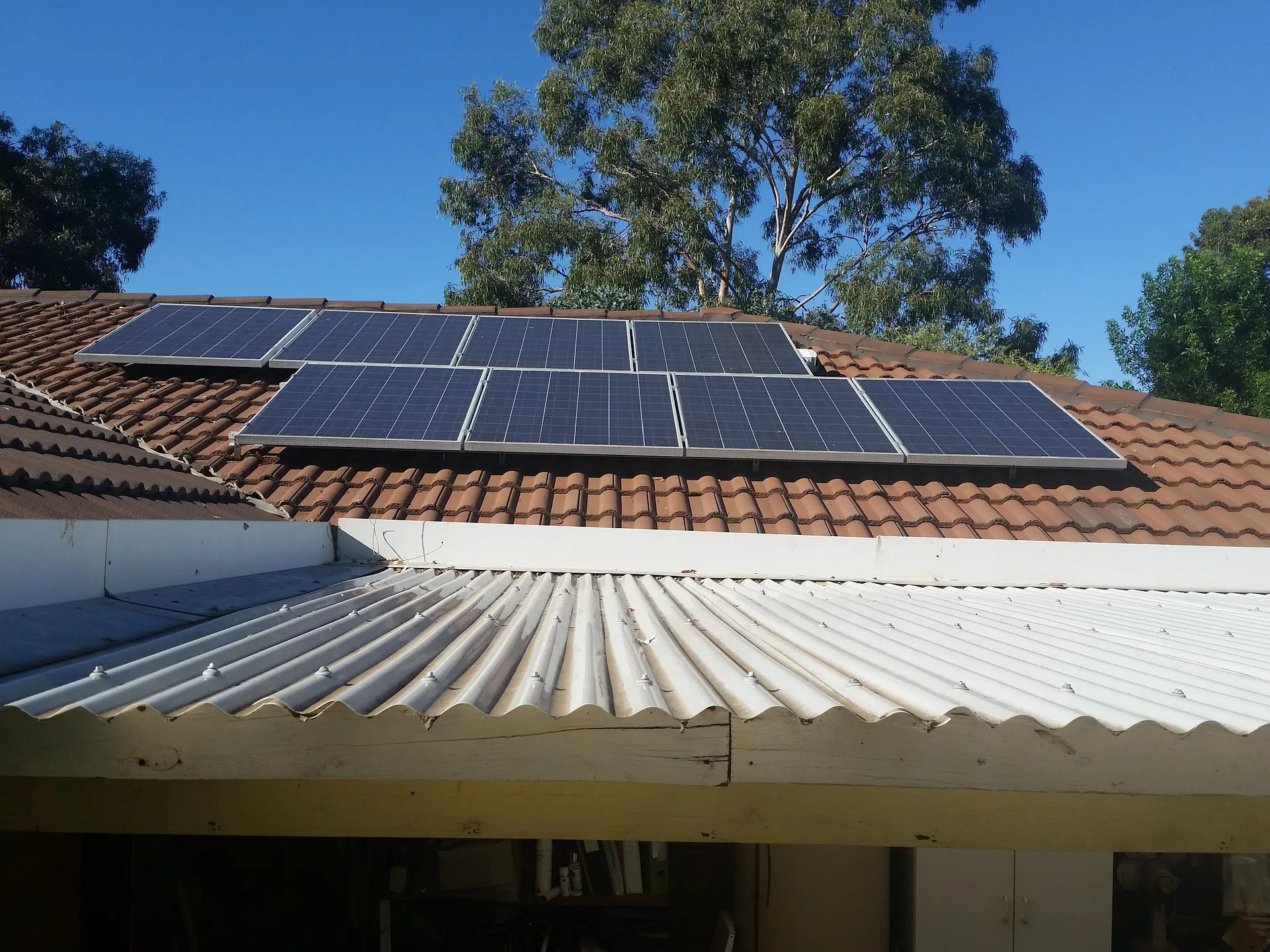
Nowadays, many homeowners explore residential solar solutions in New Jersey as part of this process. Solar energy fits well with regional conditions and existing residential infrastructure. Rather than feeling experimental, solar often becomes a straightforward home upgrade that supports everyday energy needs. Ultimately, this choice influences other efficiency decisions across the household.
Low-Flow Fixtures
Low-flow fixtures offer an easy way to reduce water use without changing daily habits. Kitchens and bathrooms account for a large portion of household water consumption. Updating faucets, showerheads, and fixtures helps control flow while still keeping comfort intact. Such upgrades often go unnoticed during daily use, which makes them easy to maintain long-term.
Installing low-flow fixtures also encourages greater awareness of water use throughout the home. Smaller changes add up across weeks and months. Water conservation becomes part of the background rather than something that requires constant effort or monitoring.
Window Updates
Older or inefficient windows allow heat to escape during winter and enter during warmer months. Improving window quality helps maintain more consistent indoor conditions without overworking heating or cooling systems.
Window upgrades often improve comfort as much as efficiency. Rooms feel less drafty, temperature swings become less noticeable, and energy use stays steadier. For many homeowners, updating windows feels like a practical investment that improves both sustainability and everyday living.
Sustainable Materials
Choosing sustainable materials during renovations helps reduce environmental impact beyond energy use alone. Materials sourced responsibly or made with recycled content support longer-lasting construction. Such choices also influence indoor air quality and durability over time.
Renovation projects present natural opportunities to rethink material selection. Flooring, cabinetry, insulation, and finishes all offer eco-conscious options that work well in residential settings. Sustainable materials often merge into existing design while supporting more responsible home improvement decisions.
Water Leak Monitoring
Water leaks often start small and stay hidden for long periods. A slow drip behind a wall or under a sink can waste a surprising amount of water before it ever becomes visible. Monitoring systems help homeowners catch issues early, reducing unnecessary water use and limiting damage to floors, walls, and fixtures.
Modern leak monitoring tools range from simple sensors placed near appliances to whole-home systems that track unusual water flow. Alerts provide quick notice so action can be taken before a minor issue turns into a major repair. This kind of monitoring supports conservation while also protecting the home itself, making it a practical step for environmentally aware homeowners.
Smart Thermostats
Heating and cooling account for a large share of household energy use. Smart thermostats give homeowners better insight into how temperature settings affect daily consumption. Instead of relying on manual adjustments, the system learns usage patterns and responds automatically throughout the day.
Smart thermostats allow temperature changes based on occupancy, time of day, and seasonal needs. Heating and cooling stay aligned with real activity rather than running constantly.
Shared Community Resources
Owning every tool or piece of equipment individually often leads to items sitting unused for long stretches. Shared community resources offer an alternative that reduces consumption while still meeting practical needs. Tool libraries, shared garden equipment, and community workshops allow access without unnecessary duplication.
Using shared resources encourages thoughtful use and reduces storage demands at home. It also strengthens neighborhood connections and supports local initiatives. For environmentally friendly homeowners, community sharing offers a simple way to lower material use while staying engaged with nearby resources and people.
Composting
Composting offers a practical way to manage organic waste at home. Food scraps and yard waste make up a large portion of household trash. Separating organic materials reduces what ends up in landfills and encourages more mindful consumption.
Many homeowners start small with composting systems that fit their space and routine. Countertop bins, backyard piles, or local collection programs provide flexible options.
Local Sourcing
Home improvement projects often involve materials that travel long distances before reaching a job site. Choosing locally sourced products helps reduce transportation impact while supporting nearby suppliers. Lumber, stone, fixtures, and finishes sourced closer to home often align better with regional building standards and climate needs.
Local sourcing simplifies project planning. Availability tends to be more reliable, and communication with suppliers feels more direct. Many homeowners find that regional products blend naturally with existing home styles.
Waste Reduction
Household waste tends to build quietly through packaging, disposable items, and unused materials. Waste reduction works best once it becomes part of daily routines rather than a special effort. Simple practices like reusing containers, buying thoughtfully, and planning purchases help cut down on unnecessary trash.
Homeowners often notice that waste reduction leads to better organization as well. Fewer disposable products mean less clutter and easier cleanup. Trash output shrinks without feeling restrictive.
Efficient Appliances
Daily tasks rely heavily on appliances, from cooking and cleaning to laundry and climate control. Choosing energy-efficient appliances helps manage household energy use during routines that already happen every day. Newer models often run quietly and use fewer resources while delivering consistent performance.
Appliance upgrades usually happen over time rather than all at once. Replacing older units gradually allows homeowners to prioritize based on need and budget. Each upgrade supports a more efficient household without disrupting daily life.
Conclusion
Becoming an environmentally friendly homeowner comes from steady, thoughtful choices made over time. Energy decisions, material selection, and everyday habits all shape how a home interacts with its surroundings. Each improvement supports a more mindful way of living without sacrificing comfort or practicality.
Frequently Asked Questions (FAQs)
No, sustainability usually starts with small, practical upgrades that fit your home and lifestyle rather than a full renovation.
Improving energy efficiency through better windows, smart thermostats, or efficient appliances often delivers noticeable results quickly.
Most upgrades, such as low-flow fixtures or smart thermostats, reduce utility costs and require little ongoing maintenance.
Cold winters and warm summers make insulation, window efficiency, and heating and cooling management especially important.
Yes, residential solar has become a reliable, straightforward option that integrates well with existing homes and daily energy use.
Yes, habits like waste reduction, composting, and mindful water use add up over time and support long-term sustainability.
No, most sustainable upgrades are designed to improve comfort and efficiency while blending seamlessly into everyday living.