
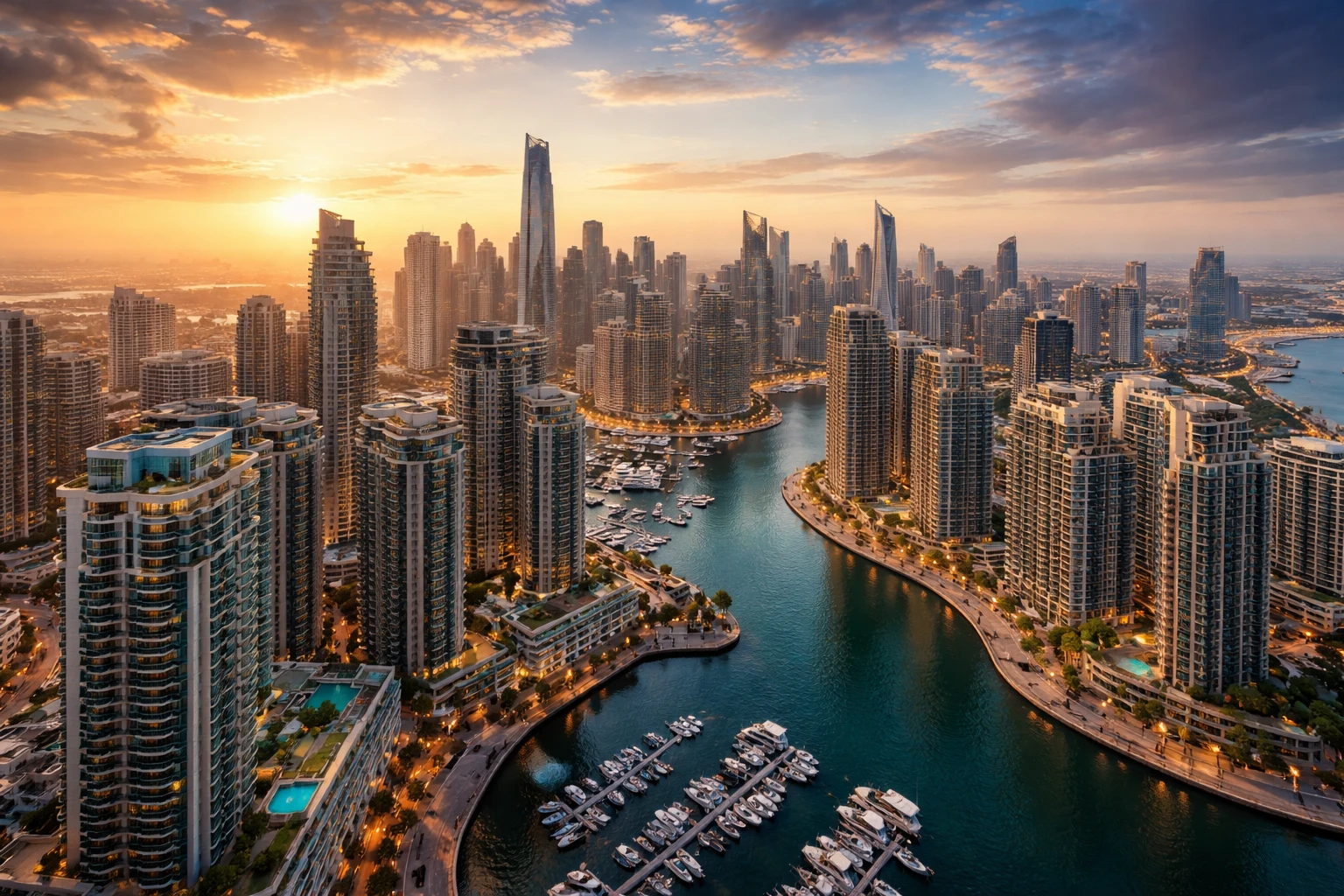
How global housing demand is reshaping major cities is no longer a theory debated at conferences or buried in research reports. You can see it in cranes on skylines, in rising apartment density, and in the way people talk about housing as both a place to live and a long-term decision. Cities are no longer shaped only by local residents. They are shaped by mobile professionals, cross-border investors, retirees, students, and families who now think internationally when choosing where to live.
I’ve watched this shift accelerate over the past decade. Housing demand has gone global, and once that happens, cities change—sometimes quickly, sometimes uncomfortably, but almost always permanently. From Europe to Asia to the Middle East, major urban centers are being redesigned to accommodate people who arrive with different expectations, timelines, and financial frameworks.
That’s why conversations about cities now often include comparisons across borders. Someone looking at London, Singapore, or even Dubai apartments for sale is usually thinking beyond a single market. They’re evaluating lifestyle, stability, and long-term residential demand, not just price per square foot.
Housing Demand Is No Longer Local
For most of modern history, housing demand was driven by local factors. Jobs, family ties, and regional economics determined where people lived. That model still exists—but it’s no longer dominant.
Today, global housing demand is shaped by:
- Remote and hybrid work
- International migration and residency mobility
- Capital moving across borders
- Lifestyle-driven relocation decisions
This shift explains why how global housing demand is reshaping major cities has become such a critical topic. People don’t just move to cities. They choose them strategically.
A professional in tech might live in one country, earn income from another, and buy property in a third. A family may prioritize education systems over proximity to extended relatives. Investors increasingly view housing as a long-term store of value rather than a speculative trade.
Cities that understand this dynamic are adapting. Those that don’t are falling behind.
Urbanization Isn’t Slowing—It’s Concentrating
Global urbanization continues, but it’s becoming more concentrated. Instead of spreading evenly across secondary cities, demand is clustering around a relatively small group of globally connected urban centers.
Why? Because these cities offer:
- Employment diversity
- Strong infrastructure
- International schools and healthcare
- Legal clarity and governance consistency
This concentration effect means that major cities absorb a disproportionate share of population growth. Housing supply has to respond fast—or prices and rents surge.
This is one of the clearest ways how global housing demand is reshaping major cities plays out on the ground. Density increases. Skylines grow vertically. Apartments become the default housing option, not the fallback.
Apartments Are Now the Backbone of Global Housing
In nearly every high-demand city, apartments sit at the center of housing growth. Detached homes simply don’t scale in dense, internationally attractive markets.
Several forces are driving this:
- Limited land availability
- Smaller household sizes
- Higher construction efficiency
- Demand for centrally located housing
Apartments also align better with the needs of global residents. They’re easier to manage, easier to rent, and easier to integrate into mixed-use neighborhoods.
What’s changed recently is quality. Apartments are no longer just compact living spaces. In many cities, they now include:
- Shared workspaces
- Wellness facilities
- Retail and dining at ground level
- Access to transit and services
This evolution reflects a deeper truth. People aren’t just buying square meters. They’re buying access to a city.
Why Buyers and Investors Look Internationally

One of the most important drivers behind how global housing demand is reshaping major cities is the decision to look beyond one’s home country.
That choice usually isn’t emotional. It’s practical.
Buyers and long-term investors often cite:
- Economic diversification
- Currency exposure management
- Political and regulatory predictability
- Long-term population growth
In many cases, international buyers aren’t chasing rapid appreciation. They’re looking for resilience. They want housing in cities that will still matter in twenty or thirty years.
This mindset favors cities with:
- Consistent urban planning
- Transparent property rules
- Strong rental markets
- Ongoing infrastructure investment
Cities that meet these criteria tend to attract sustained demand, not just cyclical interest.
Infrastructure Is the Quiet Signal Investors Watch
Price trends get headlines. Infrastructure quietly drives everything else.
When evaluating international cities, experienced buyers look closely at:
- Public transport expansion
- Airport connectivity
- Healthcare and education investment
- Digital infrastructure
These elements shape livability. They also shape rental demand and long-term occupancy rates.
It’s no accident that cities investing heavily in transit and mixed-use development also experience stronger residential demand. Infrastructure shortens commute times, improves daily life, and expands housing catchment areas.
This connection is another example of how global housing demand is reshaping major cities in a structural way, not a speculative one.
Mature Markets vs. Fast-Growing Urban Centers
Not all global cities are at the same stage of development. Understanding the difference matters.
Mature housing markets tend to offer:
- Slower population growth
- Stable pricing
- Lower volatility
- Strong tenant protections
Fast-growing urban centers often show:
- Rapid population inflows
- Ongoing construction cycles
- Higher demand for new apartments
- Expanding rental markets
Neither model is inherently better. They simply suit different objectives.
Long-term residents may value stability above all else. Others may prioritize cities still building out their housing stock and infrastructure.
What unites both categories is demand that extends beyond local residents. That global layer is what reshapes planning priorities, zoning decisions, and housing typologies.
Dubai in the Global Housing Conversation
When discussing how global housing demand is reshaping major cities, it’s impossible to ignore cities that have grown by actively positioning themselves within international networks.
Dubai is often cited as an example of a modern, fast-growing residential market—not because it is unique, but because it reflects broader global patterns.
Key characteristics include:
- A large international population
- High apartment penetration
- Continuous infrastructure development
- Housing designed for long-term residents as well as mobile professionals
Dubai’s growth mirrors what we see in other internationally connected cities. Housing demand comes from people who may not stay forever but plan to stay long enough to care about quality, governance, and livability.
That distinction matters. It changes how housing is built and how cities plan for the future.
From Speculation to End-User Demand
A noticeable shift is underway. Many global housing markets are moving away from pure speculation toward end-user demand.
This change shows up in:
- Higher rental occupancy
- Demand for functional layouts
- Emphasis on community infrastructure
- Longer average holding periods
End-user demand stabilizes cities. It creates neighborhoods, not just transactions.
For urban planners and policymakers, this shift requires a different approach. Housing must support real lives, not just balance sheets. Cities that respond effectively retain residents. Cities that don’t experience churn.
This transition is one of the most important long-term implications of how global housing demand is reshaping major cities.
What This Means for Affordability and Supply
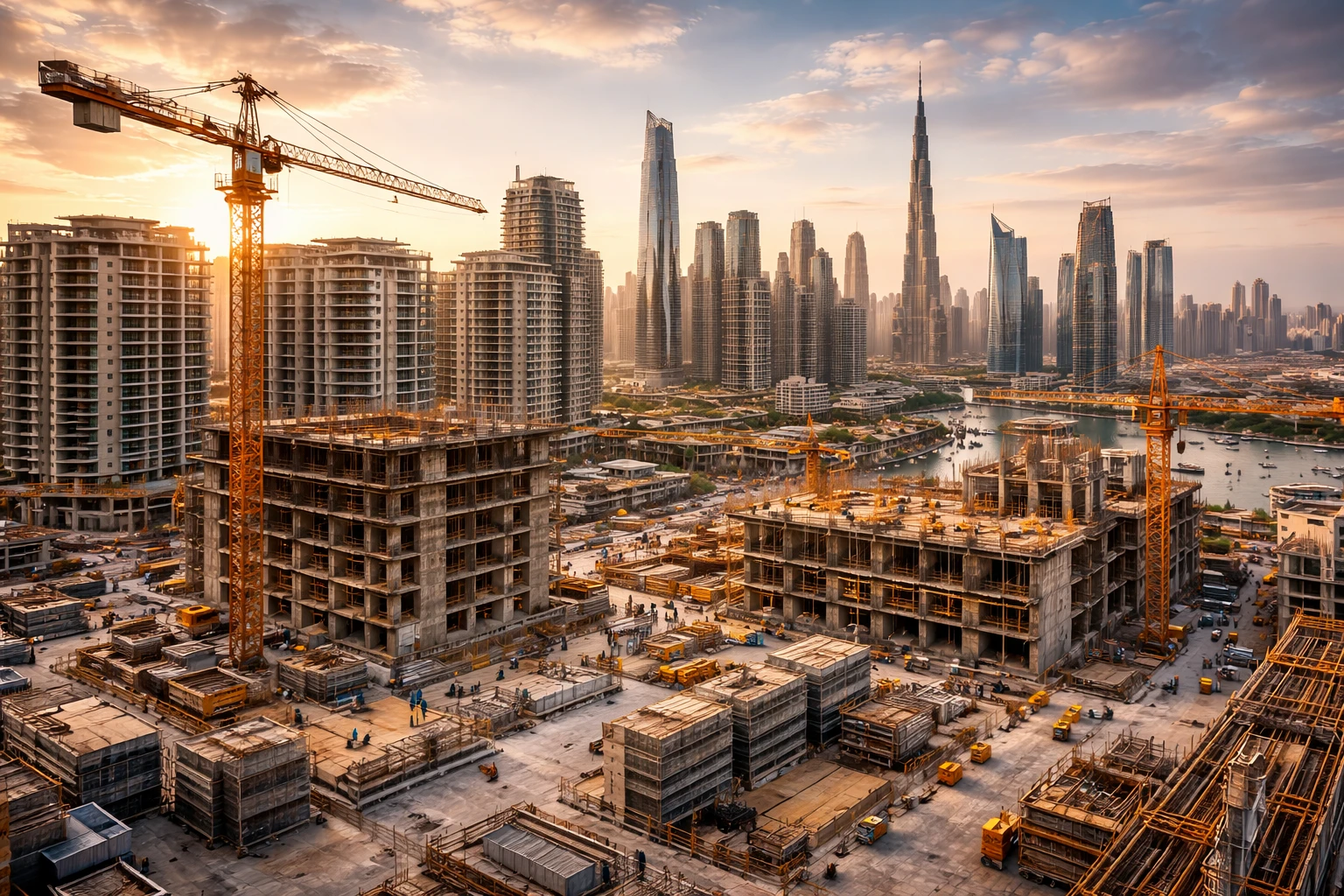
Global demand brings opportunity—and pressure.
As international interest increases, cities face:
- Rising land values
- Tighter rental markets
- Political pressure around affordability
- Challenges in scaling supply fast enough
There’s no single solution. But cities that actively plan for density, streamline approvals, and invest in transport tend to cope better.
Ignoring global demand doesn’t make it disappear. It simply pushes prices higher and supply further behind.
Practical Takeaways for Readers
Whether you’re a homeowner, renter, or long-term investor, a few principles matter:
- Follow population flows, not hype
- Watch infrastructure commitments, not headlines
- Prioritize cities with rental depth
- Focus on livability over short-term pricing
Understanding how global housing demand is reshaping major cities helps frame better decisions. It turns housing from a reactive choice into a strategic one.
Looking Ahead
Over the next decade, housing will become even more global. Mobility will increase. Cities will compete for residents as much as for capital.
The winners won’t be the flashiest markets. They’ll be the cities that balance growth with livability, density with design, and development with long-term thinking.
That balance—not speculation—is what ultimately reshapes cities and keeps them relevant in a connected world.
And that’s the real story behind how global housing demand is reshaping major cities.
Frequently Asked Questions (FAQs)
It refers to housing demand driven by international migration, mobile workers, and cross-border investment rather than purely local residents.
Major cities concentrate jobs, infrastructure, education, and connectivity, making them natural magnets for international residents and capital.
Apartments now dominate supply, with a stronger focus on livability, amenities, and long-term rental demand rather than short-term speculation.
Buyers often seek economic diversification, lifestyle flexibility, stable governance, and long-term residential demand beyond their home country.
No, it increasingly comes from end users such as professionals, families, and retirees planning medium- to long-term residence.
Investment in transport, healthcare, and education directly supports population growth and makes housing markets more resilient over time.
Common challenges include affordability pressure, supply constraints, and the need to balance growth with livability.
Dubai reflects broader global patterns through international residency, apartment-led growth, and large-scale urban infrastructure development.
They can carry higher short-term volatility, but strong population growth and infrastructure investment often support long-term demand.
Sustained demand supports occupancy, rental stability, and urban resilience beyond market cycles.