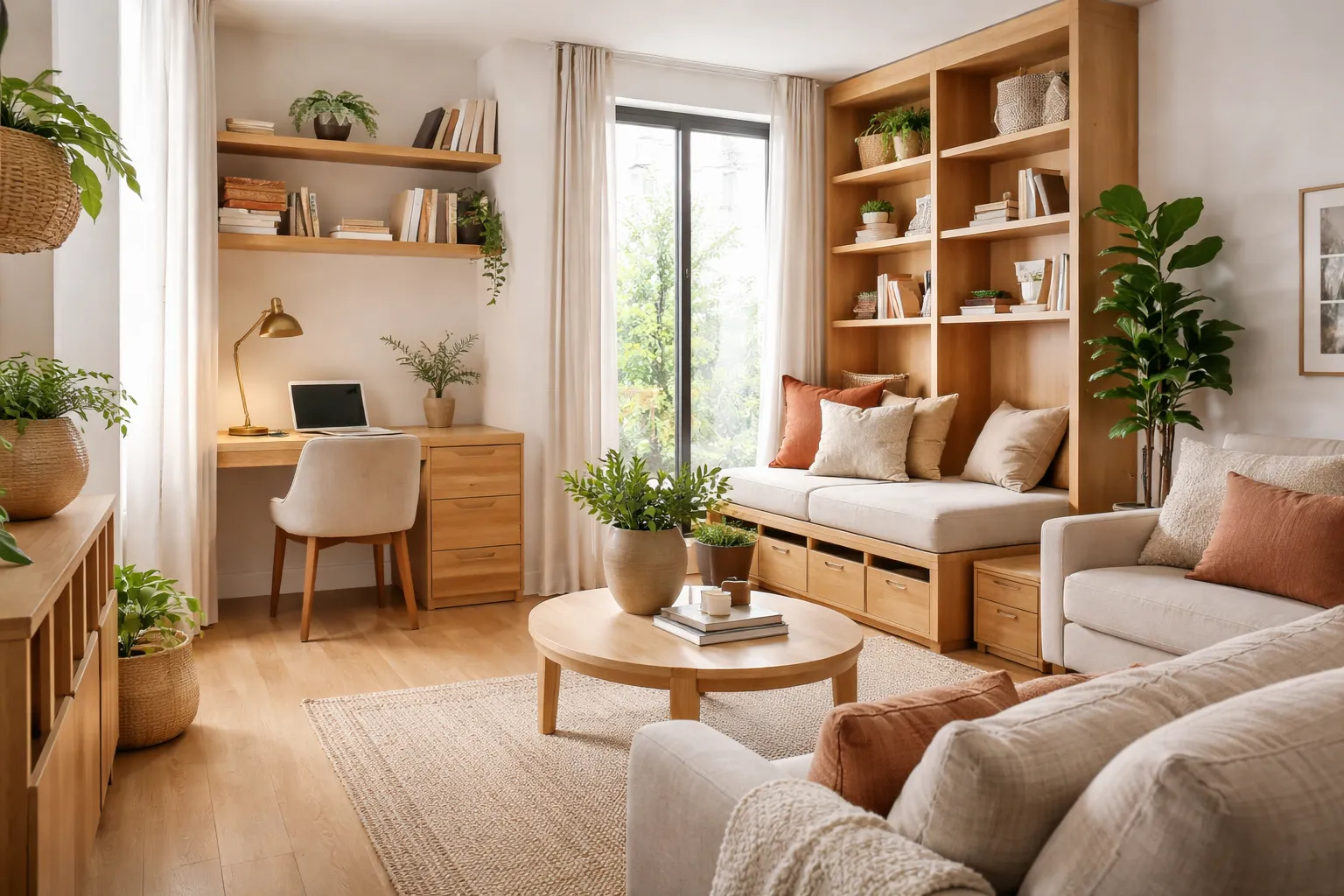
The Shift Toward Personalized Spaces
Apartments have become more than just temporary living arrangements. For many, they serve as sanctuaries, creative outlets, and long-term homes. This shift in mindset is driving a new wave of interior design that prioritizes personal expression over standardization and functional adaptability to lifestyle needs.
As renters and developers seek more meaningful living environments, the demand for tailored interiors continues to grow. Whether it’s a bench that fits perfectly in a narrow hallway or a workspace built into a living room, personalized pieces help transform generic spaces into places with personality and purpose.
This change reflects more than just evolving tastes. It highlights a growing interest in sustainability, quality, and individuality. Developers are also recognizing that distinctive design elements can set their properties apart. As a result, custom-made interior pieces are becoming a defining feature of apartments designed to feel like home.
Why Custom Design Matters in Apartment Living
Apartments are typically built with consistency in mind. Neutral palettes and modular layouts help buildings appeal to a wide range of tenants. But while this approach may be practical, it often leaves interiors feeling flat and impersonal. Introducing custom-built elements adds warmth and functionality to these spaces without compromising design cohesion.
Tailored pieces solve real-world layout problems and bring lasting value to residents. Instead of adapting to mass-produced furnishings that may not fit, renters benefit from items built for their specific space. This adds comfort and functionality to even the most compact floor plans.
From a developer’s perspective, investing in handcrafted elements signals a commitment to quality and long-term usability. These materials and features suggest a higher level of care, encouraging prospective residents to view the property as more than just another rental.
This is where the craftsmanship behind Railside Furnishings becomes relevant. Through custom-built, artisan-made pieces, they help enhance apartment interiors with timeless design and built-in character. The result is a space that not only looks better, but also encourages residents to engage more thoughtfully with their surroundings.
Custom design isn’t exclusive to high-end buildings. Even modest apartments can benefit from well-made, purpose-driven features. When selected carefully, these elements improve daily living and foster a sense of ownership among residents, regardless of lease term.
The Hidden Advantages of Artisan Craftsmanship
Mass-market furnishings often prioritize speed and scale over quality. In small apartment spaces, where every item needs to work hard, the shortcomings of those products become more apparent. Artisan craftsmanship offers a more reliable and satisfying alternative.
Each handcrafted piece is made with care and attention to detail. From the joints to the finish, everything is built to last. These items can handle daily use, maintain their structure, and often improve in appearance as they age. For renters, this means fewer replacements. For developers, it means fewer complaints and repairs.
The materials used also contribute to the difference. Solid wood, natural finishes, and forged hardware create a healthier, more durable living environment. With growing awareness around sustainability and indoor air quality, these features have become more attractive to renters seeking long-term value.
Handmade pieces also offer a uniqueness that factory-made furniture cannot replicate. Subtle variations in grain, joinery, and design add visual interest and authenticity to a space. In apartment communities where floor plans are identical, these small differences can help tenants feel more connected to their home.
For property teams, working with local craftsmen or custom builders enables solutions that enhance the resident experience while reinforcing the community’s brand. Whether used in common areas or individual units, custom elements contribute to a well-curated atmosphere that stands the test of time.
Elevating Small Spaces with Thoughtful Design
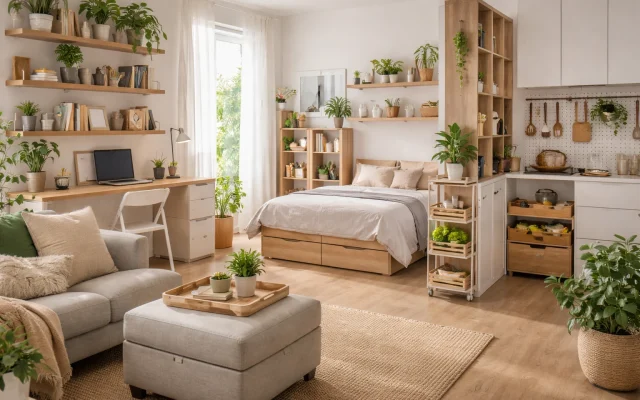
Apartments often require creative space planning. In smaller units, the layout must support multiple functions, from working and dining to relaxing and entertaining. Custom-built pieces offer a practical way to maximize space while maintaining a cohesive look.
Multifunctional furniture is one of the most effective solutions. A storage bench can double as seating and organization. A custom table with extendable leaves can adapt to different needs throughout the day. These pieces help keep spaces tidy and adaptable, which is especially important in high-traffic areas or shared rooms.
Custom work also enhances visual flow. When materials, proportions, and finishes are selected with the overall layout in mind, the result is a more harmonious environment. This attention to design detail is often missing in off-the-shelf solutions.
Renters benefit from well-fitted elements that use every inch of space effectively. Narrow-profile desks, built-in shelving, and vertical storage can improve comfort and functionality without adding clutter. These features help small apartments feel more open, organized, and livable.
Developers and designers can also benefit from integrating small-space design solutions during early planning. Purpose-built features not only improve resident satisfaction but also help set the property apart through smart, space-conscious design.
Creating a Distinctive Living Experience
In a competitive housing market, details can define a brand. Location and amenities are important, but thoughtful interior design adds another level of value. Custom features contribute to a living experience that feels intentional rather than generic.
Built-in storage, reading nooks, and purpose-driven furnishings can all be tailored to a building’s layout and style. These enhancements provide visual appeal while improving usability for residents. When done well, they elevate the entire community and create a consistent aesthetic.
Renters respond to these details. Units that feel complete and considered encourage tenants to take more pride in their homes. This can lead to increased lease renewals and stronger community engagement.
For developers, this design approach supports branding. Properties with cohesive, quality-driven interiors stand out in listings and attract residents seeking more than just a place to sleep. In student and professional housing, where lifestyle plays a major role in decision-making, well-executed interiors are a key selling point.
Even minor customizations can contribute to unique apartment features that help differentiate a property. When design is integrated into the fabric of the space, it tells a story — one that appeals to both the eye and the experience of daily living.
Built to Belong
A memorable apartment interior doesn’t require high-end budgets or dramatic renovations. It starts with pieces that are tailored to the space, made with care, and built to serve both form and function. Custom-crafted interiors create more than visual appeal—they offer comfort, usability, and a true sense of home.
For renters, these elements make a space feel more personal. For developers and managers, they reflect a commitment to quality that residents can see and feel. In a world full of generic options, spaces that feel intentionally designed are the ones people want to stay in.
When every detail supports the way people live, apartments become more than just a place to rent. They become places people belong.
Frequently Asked Questions (FAQs)
Custom design refers to furniture or built-in elements created specifically for a space, rather than mass-produced items made to fit generic layouts.
Yes, custom pieces are often ideal for small apartments because they maximize usable space and solve layout challenges more effectively.
No, custom elements can be incorporated into apartments at many price points, especially when focused on function and durability rather than excess detail.
They are designed around how residents actually use their space, which improves comfort, organization, and overall usability.
Yes, thoughtful design details can help properties stand out, attract long-term tenants, and support stronger branding.
Many handcrafted pieces use solid wood, natural finishes, and durable hardware chosen for longevity and indoor comfort.
Often they are, since they are built to last longer, reduce replacement waste, and commonly use responsibly sourced materials.
Apartments that feel intentional and well-designed often encourage pride of ownership, leading to higher satisfaction and retention.
Yes, renters enjoy better functionality and comfort without needing to invest in furniture that may not fit future spaces.
As people spend more time at home, they value spaces that reflect their lifestyle, making personalization an important part of modern apartment living.